


How to Tell If a Gemstone Is Natural, Treated, or Fake (2026 Buyer’s Guide)

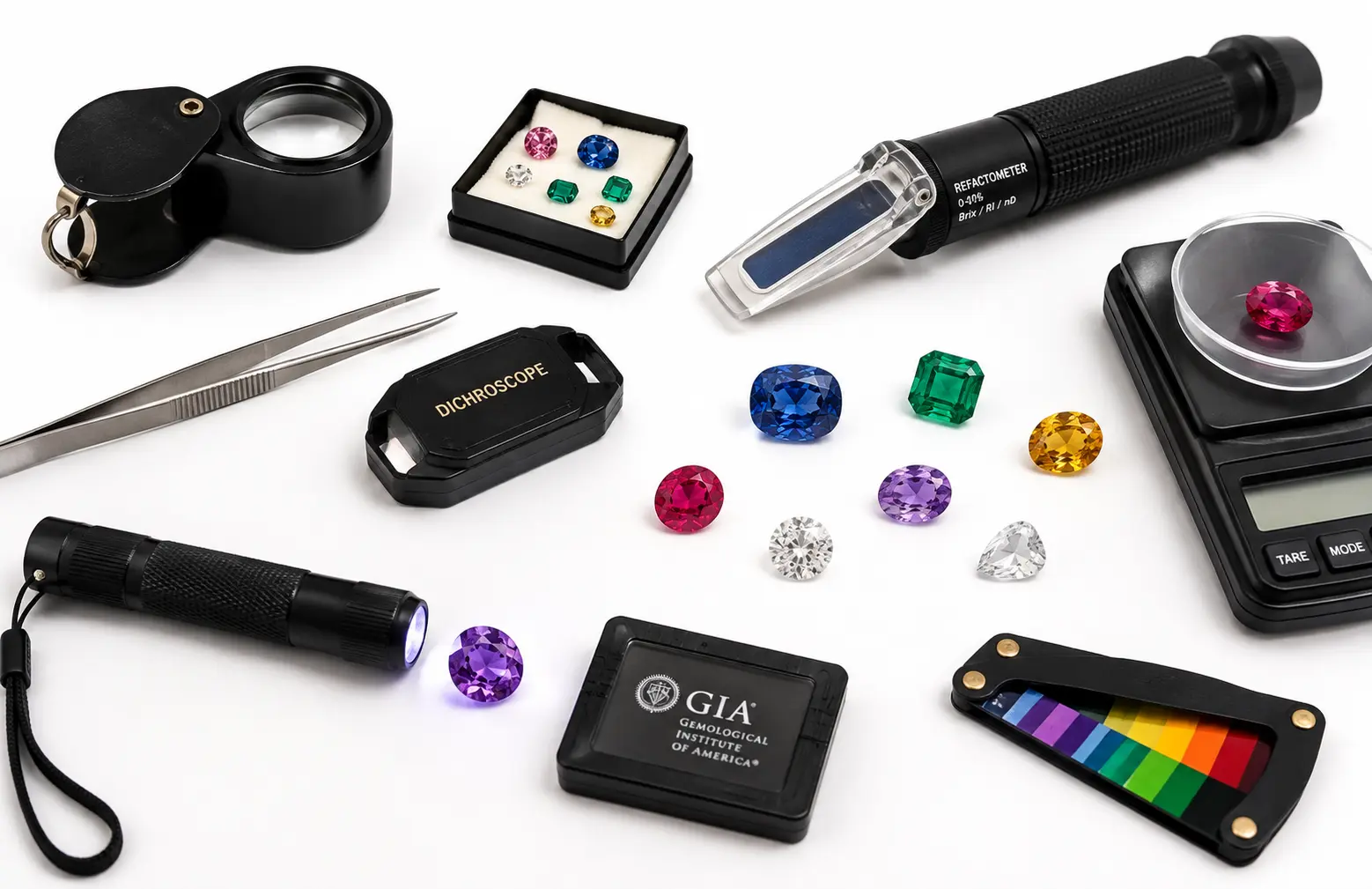
Navigating the modern marketplace for gemstone jewelry can be both exciting and daunting. With technological advancements in synthetic crystal growth and gem treatments, determining whether a beautiful piece of fine jewelry contains an untreated natural mineral, an enhanced stone, or an imitation piece requires a trained eye and solid buyer knowledge. Whether you are searching for brilliant natural sapphires or vibrant semi precious gemstones, knowing what you are purchasing is essential to ensure long-term value and authenticity.
Understanding the difference between raw earth-mined gems, enhanced crystals, and manufactured substitutes protects your investment. This comprehensive 2026 buyer's guide explains how to identify genuine gemstones, spot common enhancement practices, catch imitation gemstones, and evaluate certifications so you can shop with total confidence.
What Is the Difference Between Natural, Treated, and Fake Gemstones?
To make informed decisions in the gem trade, every collector must understand how jewelers categorize and label stones. Terminology across retail catalogs can sometimes confuse buyers who are trying to distinguish between earth-mined minerals and lab-created substitutes.
The gem industry divides market offerings into three main functional categories:
- Natural Gemstones: Formed entirely by geological processes deep within the earth over thousands or millions of years. These natural stones receive no artificial alterations other than professional lapidary cutting, faceting, and polishing.
- Treated Gemstones: Genuine earth-mined gems subjected to traditional post-extraction processes such as heat treatment, irradiation, or fracture filling to permanently or semi-permanently enhance color saturation or clarity.
- Fake or Synthetic Gemstones: Manufactured alternatives that mimic natural minerals. This group includes both lab grown stones, which share the chemical structure of natural gems, and complete simulants made of glass, plastic, or synthetic compounds like cubic zirconia.
How to Identify a Natural Gemstone
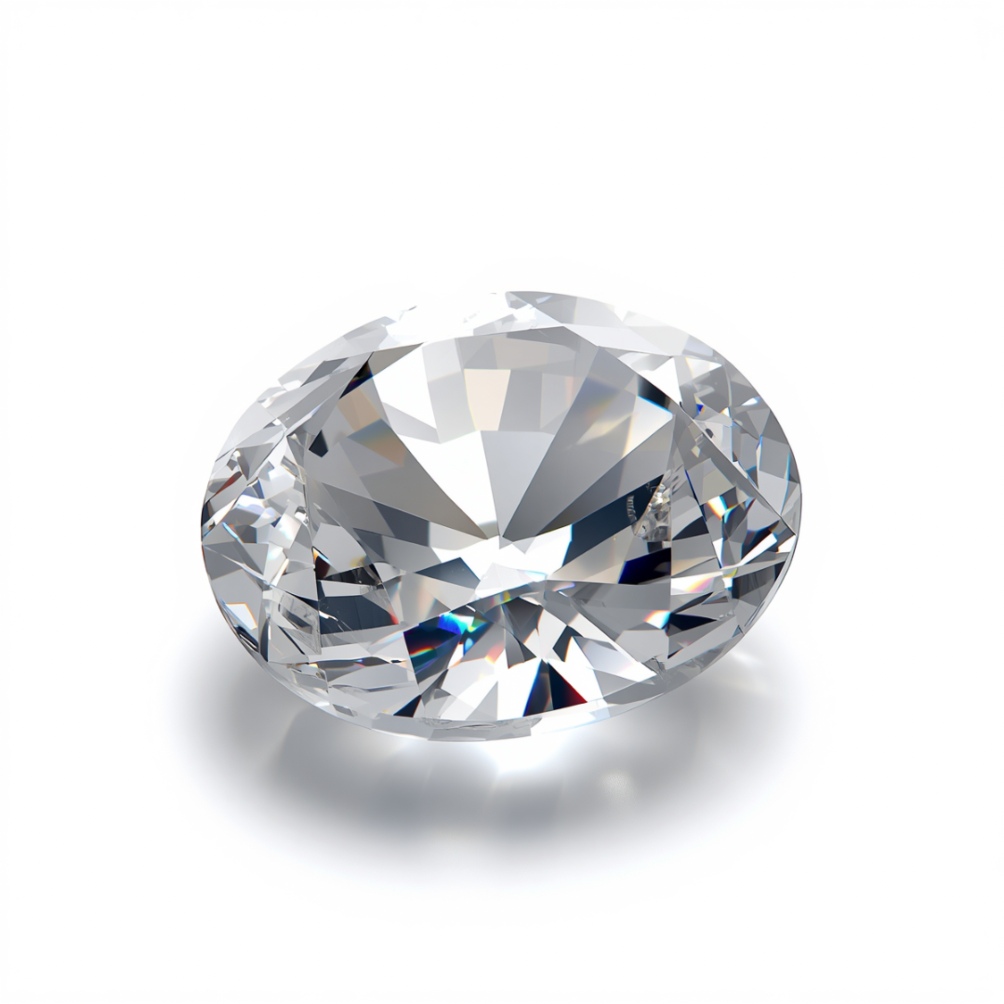
Spotting a genuine real stone begins with inspecting its internal characteristics. Earth-mined minerals develop under intense heat, tectonic pressure, and varying mineral rich environments, leaving behind microscopic internal birthmarks.
Key visual and physical signs that indicate a real gemstone include:
- Natural Inclusions: Earth-mined gems typically contain subtle internal mineral crystals, needles, growth lines, or tiny liquid feathers. Completely flawless stones without any internal markings are extraordinarily rare and extremely expensive.
- Color Variations and Zoning: Natural stones rarely display 100% uniform color throughout their entire structure. Looking closely under magnification often reveals subtle color zoning or directional shade shifts.
- Cool Temperature Touch: Real mineral crystals conduct heat differently than glass or plastic imitations. A genuine stone usually feels noticeably cool to the touch when first picked up.
- Imperfections on the Surface: Earth-mined minerals frequently display slight surface variations or microscopic asymmetry along cut facets when inspected with a 10x jeweler’s loupe.
Evaluating a stone's appearance under magnification remains one of the fastest ways to verify its natural origin. Brands like Lot of Jewelry carefully select certified natural gemstones that preserve these unique geological fingerprints.
Common Treatments Every Buyer Should Know
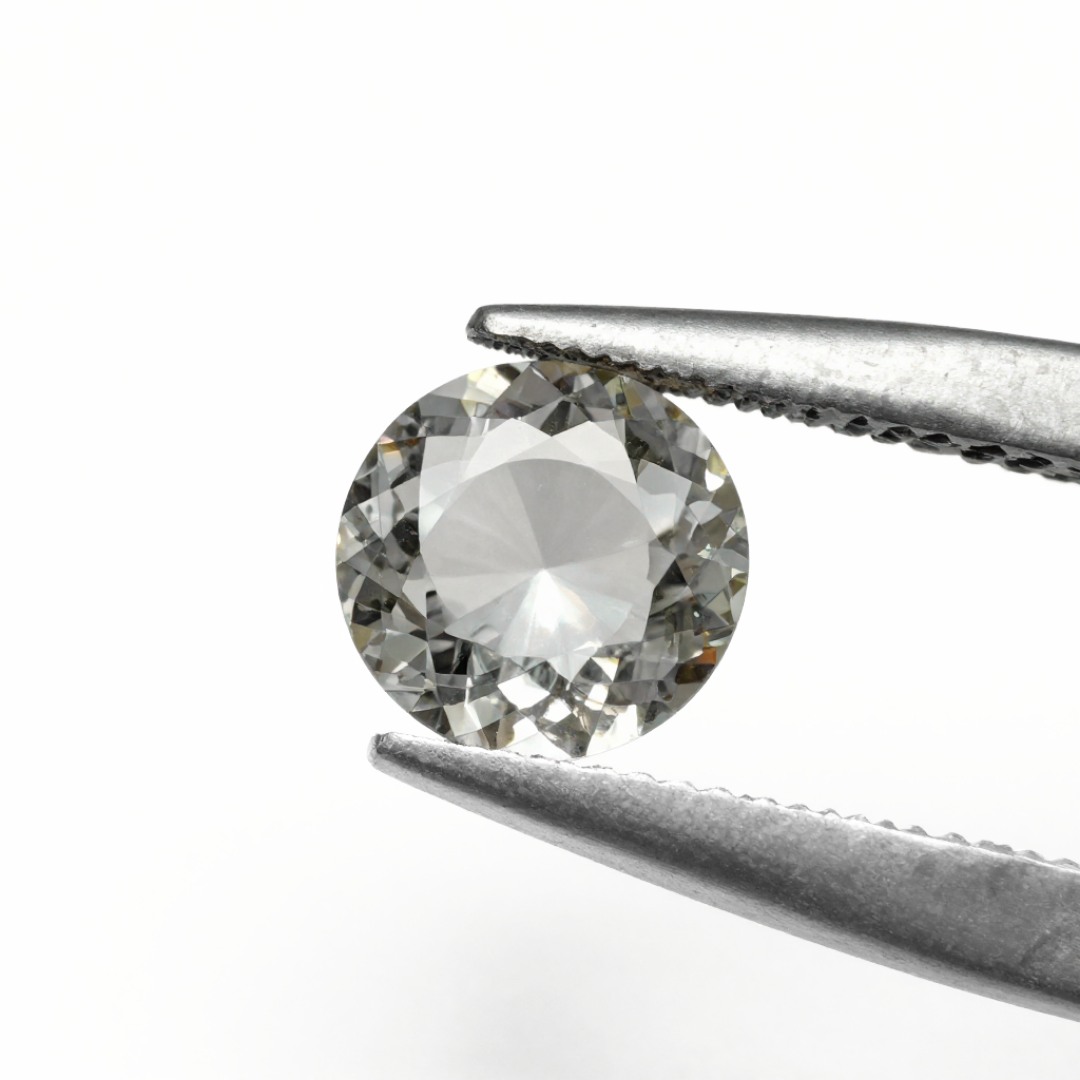
Most colored gemstones sold in the global market undergo standard enhancements to improve their visual appeal. Enhancements do not make a stone "fake," provided the jeweler clearly discloses the process before purchase.
The table below outlines common gemstone treatments, their visual effects, and their overall permanence:
Treatment Method | Typical Target Gemstones | Primary Visual Purpose | Permanence & Stability |
|---|---|---|---|
Heat Treatment | Sapphires, Rubies, Tanzanite, Aquamarine | Intensifies color saturation and dissolves silk inclusions | Permanent and fully stable |
Oiling / Resin Infusion | Emeralds | Fills surface-reaching fractures to improve clarity | Semi-permanent; requires re-oiling over time |
Irradiation | Topaz, Colored Diamonds, Quartz | Alters atomic crystal structure to produce vibrant blues or pinks | Permanent under normal wearing conditions |
Lattice Diffusion | Sapphires | Fuses color-causing elements into the outer surface layer | Surface-level; can be removed if repolished |
Standard heat treatment is widely accepted across the trade for natural sapphires and rubies, but undisclosed diffusion or fracture filling significantly lowers a gem's market value. Reputable jewelers like Lot of Jewelry adhere to strict disclosure standards for all enhanced and unenhanced inventory.
How to Spot Fake or Imitation Gemstones
Fake stones generally fall into two categories: synthetic stones produced in laboratories or cheap simulants designed to look like genuine stones. While synthetic gems share the physical properties of earth-mined crystals, imitations lack durability and optical depth.
Watch for these warning signs when evaluating potential imitation gemstones:
- Spherical Air Bubbles: Glass or resin imitations frequently show round gas bubbles under magnification. Natural inclusions are angular or crystalline, never perfectly round bubbles.
- Too-Perfect Clarity at Low Prices: If a large ruby or emerald appears completely eye-clean and vibrant yet carries an unusually low price, it is likely a cubic zirconia or glass simulant.
- Softness and Facet Scratches: Imitation stones made of glass or soft composite materials scratch easily and show rounded, abraded facet edges compared to sharp, crisp facet lines on hard natural gems.
- Unnatural Color Saturation: Cheap synthetic stones or dyed glass often display overly intense, neon-like colors that do not occur in untreated nature.
How Professional Gemologists Verify Authenticity
While visual inspection with a 10x loupe provides valuable clues, definitive verification requires specialized laboratory instruments. Professional gemologists rely on scientific equipment to measure physical and optical properties without damaging the stone.
Key diagnostic tools used in gemological laboratories include:
- Refractometer: Measures how light bends as it passes through the crystal structure, yielding a Refractive Index (RI) that identifies the exact mineral species.
- Microscope: Magnifies internal structures up to 100x to detect natural growth patterns, curved striae in flame-fusion synthetics, or flash effects in fracture-filled gems.
- Spectroscope: Analyzes light absorption bands to differentiate natural color elements from artificial dye or radiation treatments.
- Specific Gravity Liquids / Hydrostatic Balance: Measures mineral density to distinguish heavy gems from lightweight glass or plastic imitations.
Independent grading reports from recognized institutions—such as the Gemological Institute of America (GIA)—provide definitive proof of a stone's identity, origin, and treatment status.
Smart Tips for Buying Gemstones with Confidence
Shopping for semi precious minerals or high-value cardinal gems should always be a rewarding experience. Following proven buyer safety guidelines ensures you receive full value for your investment.
Keep these practical guidelines in mind before making your next fine jewelry purchase:
- Always Request Full Disclosure: Ask the seller directly whether the gem is natural, heat-treated, lab-created, or simulated, and ensure their answer is printed on your official receipt.
- Insist on Independent Certification: For major purchases, insist on a grading report from an independent laboratory rather than a self-issued store certificate.
- Research Market Price Benchmarks: Unusually steep discounts on large, eye-clean stones often signal synthetic or heavily treated materials.
- Verify Seller Reputation and Return Policies: Choose established jewelers who offer full money-back guarantees and transparent sourcing practices.
By partnering with trusted retailers like Lot of Jewelry, collectors gain access to fully vetted, certified natural stones and high-grade jewelry crafted with complete transparency.
Frequently asked questions
Can I tell if a gemstone is real at home?
While simple tests like checking for cool temperature, inspecting for surface sharpness, or using a 10x loupe to find natural inclusions—can spot obvious glass or plastic fakes, definitive proof requires professional gemological tools like refractometers and microscopes.
Are treated gemstones considered real?
Yes. Treated gemstones are natural, earth-mined minerals that have undergone traditional processes like heat or oiling to improve color or clarity. However, treatments must be fully disclosed because untreated natural gems hold higher rarity and market value.
How can I tell if a gemstone is lab-grown?
Lab-grown gems share the exact physical and chemical properties of earth-mined stones, making them impossible to distinguish with the naked eye. Professional gemologists spot them under high magnification by identifying synthetic growth structures, such as curved growth lines or microscopic flux remnants.
Which gemstones are most commonly faked?
Rubies, emeralds, sapphires, and turquoise are among the most frequently simulated stones. Common fakes include dyed glass, composite doublets, dyed quartz, and synthetic materials like cubic zirconia.
Is a gemstone certificate always necessary?
A certificate is highly recommended for expensive precious gems or investment-grade pieces. For lower-cost commercial jewelry, buying from a reputable retailer with transparent disclosure policies is often sufficient.
Final Thoughts on Buying Authentic Gemstones
Distinguishing between natural, treated, and fake gems comes down to understanding mineral characteristics, asking the right questions, and relying on expert certification. Whether you choose rare, untreated earth-mined treasures or accessible enhanced options, transparency is key. Partnering with knowledgeable brands like Lot of Jewelry guarantees that every piece of fine jewelry in your collection brings lasting beauty, authenticity, and confidence for years to come.