


Best and worst gemstones for engagement rings explained

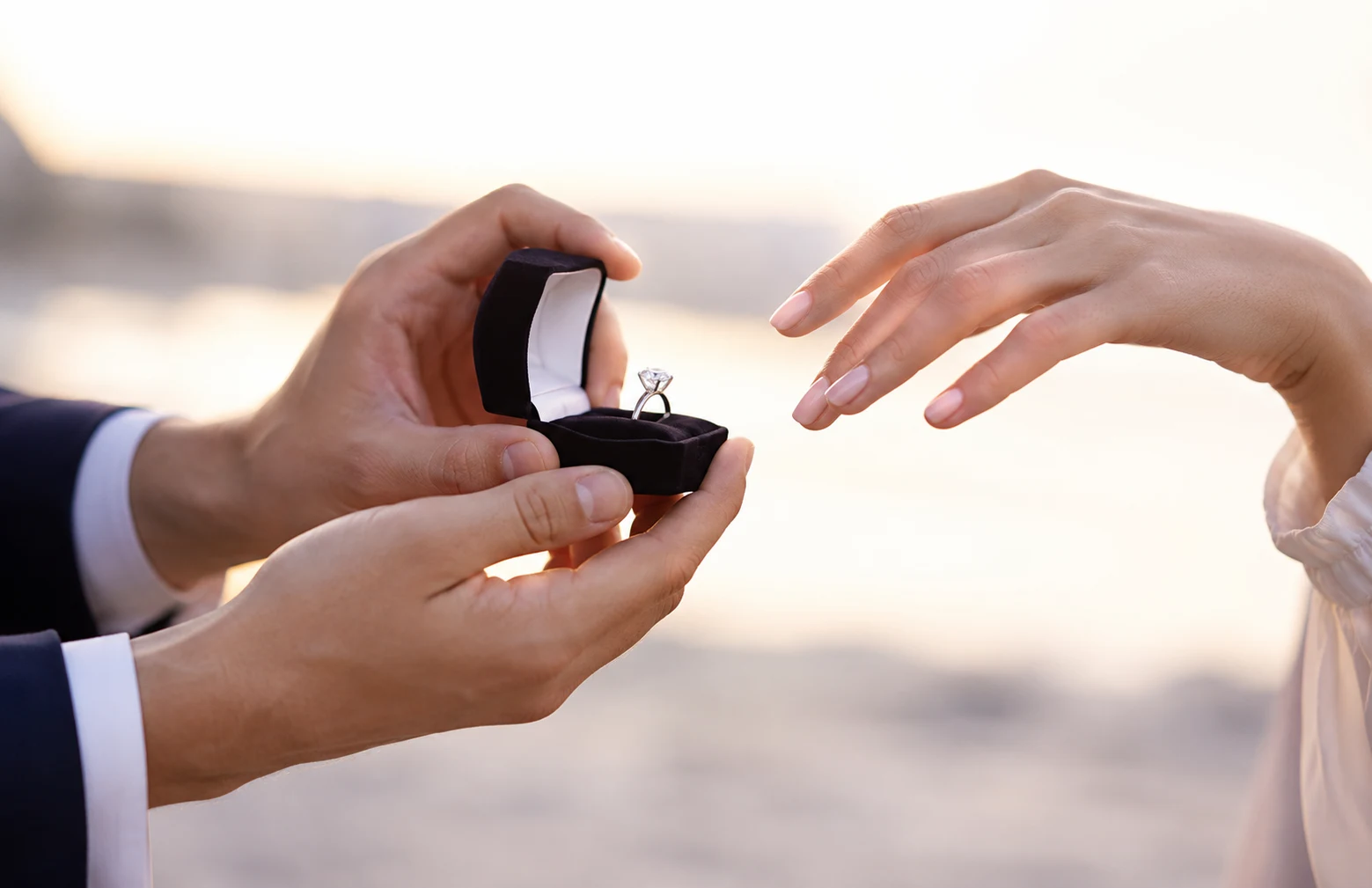
For couples embarking on the journey of lifelong commitment, selecting an engagement ring is a deeply symbolic milestone. While traditional diamonds have long dominated the bridal landscape, modern couples are increasingly seeking distinct alternatives that reflect personal style and individuality. In 2026, the trend toward unique gemstone engagement rings has transformed from a niche preference into a major market movement, driven by a desire for custom design, vibrant color, and ethical sourcing.
At Lot of Jewelry, we understand that choosing a center stone involves balancing aesthetic beauty with long-term survival. An engagement ring is not a piece of fine jewelry reserved for special occasions; it is a high-wear item subjected to the daily rigors of handwashing, accidental bumps, and environmental exposure. This comprehensive guide is designed to clarify the natural gem world, separating the resilient treasures built for daily wear from fragile stones better suited for occasional statement pieces.
Understanding gemstone durability and the Mohs scale
A critical factor when restoring or choosing authentic vintage gemstone engagement rings we must examine the concept of gemstone durability. In gemology, durability is not a single attribute but rather a combination of three distinct physical properties: hardness, toughness, and stability.
Hardness refers specifically to a mineral's resistance to surface scratching and abrasion, which explains why certain vintage gemstone engagement rings maintain their pristine finish while others show severe wear. This property is measured using the Mohs hardness scale, a qualitative system developed in 1822 that ranks minerals from 1 (softest, like talc) to 10 (hardest, like diamond).
Toughness, on the other hand, measures a stone's resistance to breaking, chipping, or cracking under impact. A mineral can be exceptionally hard but possess internal cleavage lines that make it prone to splitting if struck at a specific angle. Stability determines how well a gem resists chemical attack, temperature fluctuations, and intense light exposure, serving as a core pillar alongside the best stones for engagement rings durability metrics. At Lot of Jewelry, we emphasize checking all three metrics before finalizing your design.
The best stones for engagement rings durability
When selecting a center stone for a lifetime of daily wear, prioritizing structural integrity is essential. The hardest gemstones for engagement rings ensure that the polished facets remain crisp and free of micro-scratches over decades of use.
The following sections highlight the elite class of minerals that naturally possess the mineral strength required to withstand continuous daily activity without wearing down.
Sapphire engagement rings and rubies
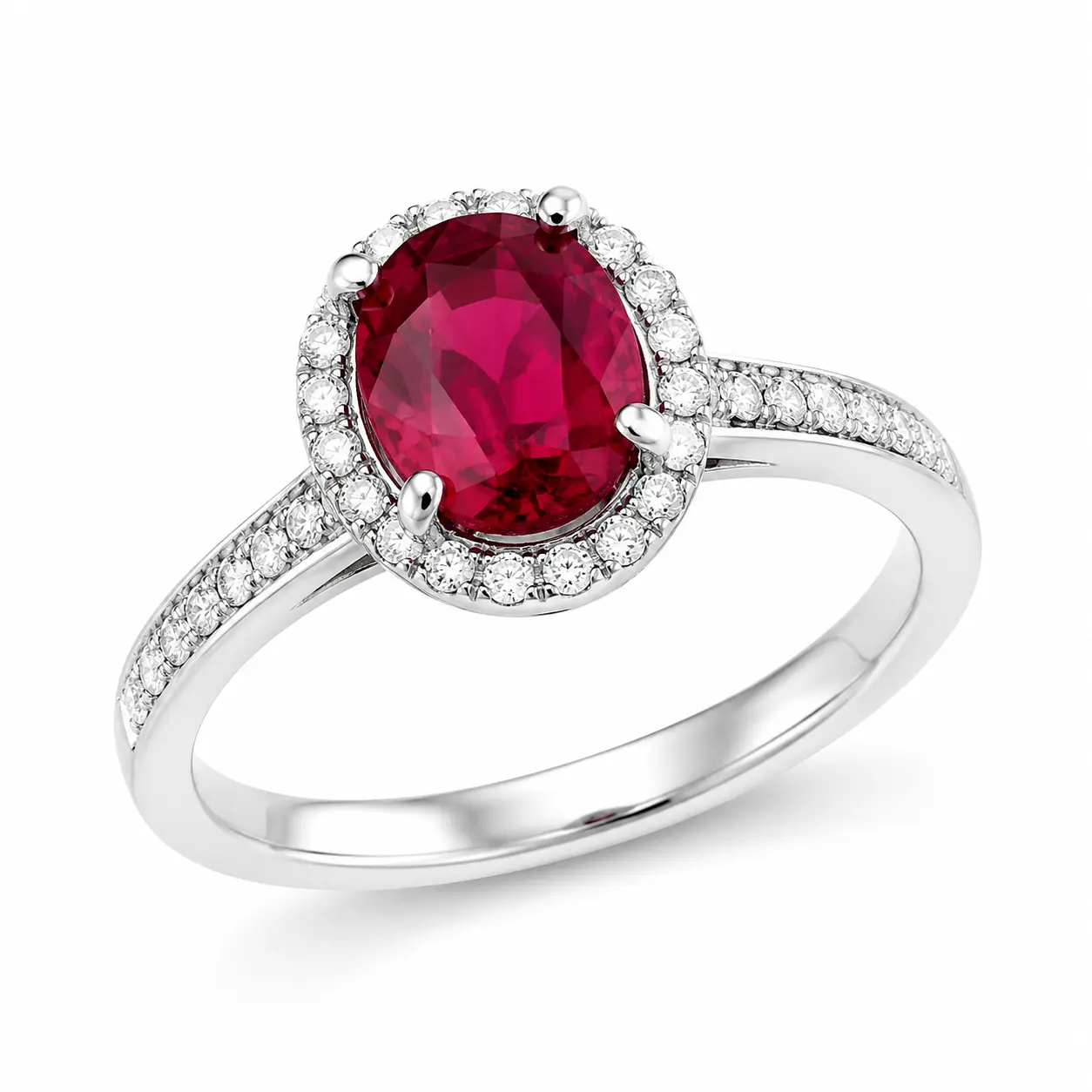
Belonging to the corundum mineral family, sapphires and rubies represent the premier choice for colored bridal jewelry, making them the most sought-after natural gemstone engagement rings on the market today. Couples looking for longevity consistently choose these premium natural gemstone engagement rings to symbolize their lifelong commitment.
Sapphire engagement rings offer incredible versatility, With exceptional hardness and no distinct cleavage planes, corundum resists chipping and scratching, making it a top-tier choice for natural gemstone engagement rings.
Chrysoberyl and alexandrite
Often overlooked by history but deeply revered by gemologists, spinel is an outstanding option for couples seeking unique gemstone engagement rings. Registering an impressive 8 on the Mohs scale, spinel offers great scratch resistance combined with superb toughness.

Chrysoberyl and alexandrite
Chrysoberyl is another structural powerhouse in the gem world, ranking at 8.5 on the Mohs scale. The most famous variety of this family is alexandrite, a rare color-changing marvel that appears emerald green in daylight and raspberry red under incandescent light.
Its excellent hardness ranks it among the best stones for engagement rings durability, guaranteeing the stone will not dull or abrade over time.

The table below provides a quick reference comparing the top-performing durable minerals suited for everyday bridal wear.
Gemstone | Mohs Hardness | Primary Colors Available | Relative Toughness |
|---|---|---|---|
Diamond | 10 | White, Yellow, Pink, Blue, Black | Good to Excellent |
Sapphire & Ruby | 9 | Blue, Pink, Yellow, Green, Teal, Red | Excellent |
Chrysoberyl | 8.5 | Yellow, Green, Color-Change (Alexandrite) | Excellent |
Spinel | 8 | Red, Pink, Blue, Purple, Grey | Good to Excellent |
Gemstones that require careful design and wear
Some minerals possess breathtaking beauty but fall into a middle tier of durability, ranging between 7 and 7.5 on the Mohs scale. While they can be used for everyday jewelry, they require protective settings and a lifestyle mindful of heavy physical labor.
If you choose one of these varieties, the experts at Lot of Jewelry recommend utilizing secure bezel or halo settings to shield the gemstone edges from impact.
Emerald and aquamarine (The beryl family)
Emeralds and aquamarines both belong to the beryl family, ranking at 7.5 to 8 on the Mohs scale. Consequently, while emeralds create stunning natural gemstone engagement rings, they demand careful wear and regular maintenance to avoid structural damage.
Tourmaline and topaz are popular choices for vintage gemstone engagement rings due to their rich color palettes and classic romantic appeal. Topaz ranks at 8 on the Mohs scale but suffers from perfect basal cleavage, meaning a sharp blow can split the stone cleanly in two.
Tourmaline ranks at 7 to 7.5, coming in a gorgeous variety of bi-color options like watermelon tourmaline or deep verdelite green.
The worst gemstones for engagement rings to avoid
Certain minerals, despite their widespread availability and undeniable visual allure, are fundamentally unsuited for daily bridal jewelry. These fragile selections are highly prone to scratching, cracking, fading, or dissolving under routine household conditions.
At Lot of Jewelry, we strongly advise reserving the following materials for earrings, pendants, or occasional cocktail rings rather than an engagement centerpiece.
Opal and moonstone (Feldspar and silica)
Opals are soft, ranging from 5.5 to 6.5 on the Mohs scale, and contain up to 21% water within their internal structure. This high water content makes them prone to crazing, developing a network of fine surface cracks when exposed to dry air, sudden temperature shifts, or intense lighting.
Pearls and organic gems
Pearls offer a timeless elegance, but they are composed of calcium carbonate, ranking a mere 2.5 to 4.5 on the Mohs scale.Furthermore, pearls are highly porous and easily damaged by daily chemical exposures, including perfumes, hairsprays, lotion, and even the natural acidity of human sweat. Over time, contact with these substances strips the pearl of its outer nacre, leaving a dull, chalky surface that cannot be repaired.
Tanzanite and apatite
Tanzanite is a stunning trichroic gemstone showcasing intense violet-blue tones, but it ranks at just 6 to 7 on the Mohs scale. It possesses low toughness and is sensitive to thermal shock, meaning sudden shifts from hot to cold water can cause it to crack.
Apatite, while offering a striking neon paraiba-blue color, sits at a fragile 5 on the scale, making it soft enough to be scratched by a steel knife blade. Because of this vulnerability, these fragile choices are excluded from lists of the best alternative stones for engagement rings, as using these stones for a daily ring invariably leads to fractured facets and diminished brilliance within a few years.
Frequently asked questions
What are the best gemstones for engagement rings?
The best alternatives for daily wear are sapphire, ruby, and spinel. These minerals boast exceptionally high Mohs hardness ratings alongside superb internal toughness, ensuring they resist both scratching and chipping under daily conditions.
Which gemstones are not recommended for engagement rings?
Gemstones such as opal, pearl, tanzanite, moonstone, and apatite are not recommended for everyday rings. Their low hardness or perfect cleavage lines make them highly susceptible to scratching, cracking, or chemical degradation over time.
Are diamonds always the best choice for engagement rings?
While diamonds are the hardest known natural material, they are not the only choice. High-quality colored options like sapphire engagement rings provide excellent durability, richer personalization, and a distinct aesthetic footprint at a highly competitive price point.
What makes some gemstones less suitable for daily wear?
A gemstone becomes unsuitable for everyday wear if it possesses low scratch resistance, high porosity, or distinct cleavage planes. These vulnerabilities leave the stone exposed to damage from everyday impacts, household chemicals, and abrasive dust.
How do you choose the right gemstone for an engagement ring?
To choose the right gemstone, look for options with a Mohs rating of 8 or above to ensure longevity. Balance your personal aesthetic preferences with practical lifestyle factors, and select a protective setting that guards the stone's edges.
Conclusion: Designing a ring that lasts a lifetime
Selecting the perfect center stone requires balancing aesthetic vision with physical realities. The rising popularity of best alternative stones for engagement rings demonstrates that modern couples value color, history, and character alongside traditional brilliance.
However, ensuring that your investment survives the test of time requires picking a mineral capable of enduring your unique lifestyle from among the hardest gemstones for engagement rings available. By partnering with experienced creators like Lot of Jewelry, you can confidently navigate the selection process.
Whether you choose the unparalleled strength of sapphire engagement rings or opt for the striking allure of a custom spinel, prioritizing mineral durability ensures your ring remains as brilliant as the day it was first slipped onto your finger. Reclaiming your personal style through colored gemstones is a rewarding journey, provided you build your design on a foundation of structural integrity.