


Blue sapphires explained: Meaning, benefits, and how to buy


The allure of the blue sapphire has captivated humanity for millennia, crossing the boundaries of royal courts, ancient temples, and modern engagement rings. As one of the "Big Three" precious gemstones—alongside rubies and emeralds—the blue sapphire is more than just a piece of jewelry; it is a symbol of wisdom, virtue, and good fortune.
Whether you are seeking a gemstone for its metaphysical properties or looking for a durable investment piece, understanding the nuances of these stones is essential. In this guide, natural blue sapphires explained by Lot of Jewelry will help you navigate the complex world of corundum, from color grading to astrological significance.
What is a blue sapphire?
Chemically known as corundum, a blue sapphire is an aluminum oxide mineral. While corundum comes in a rainbow of colors, the presence of titanium and iron is what gives the blue sapphire its iconic hue. As one of the hardest minerals on Earth, second only to diamonds, it ranks a 9 on the Mohs scale, making it an ideal choice for daily wear.
When we look at natural blue sapphires explained, we distinguish between stones formed in the Earth over millions of years and those created in a lab. At [brand name], we prioritize the unique inclusions and "birthmarks" found in earth-mined stones, which tell a story of the gem's geographic origin.
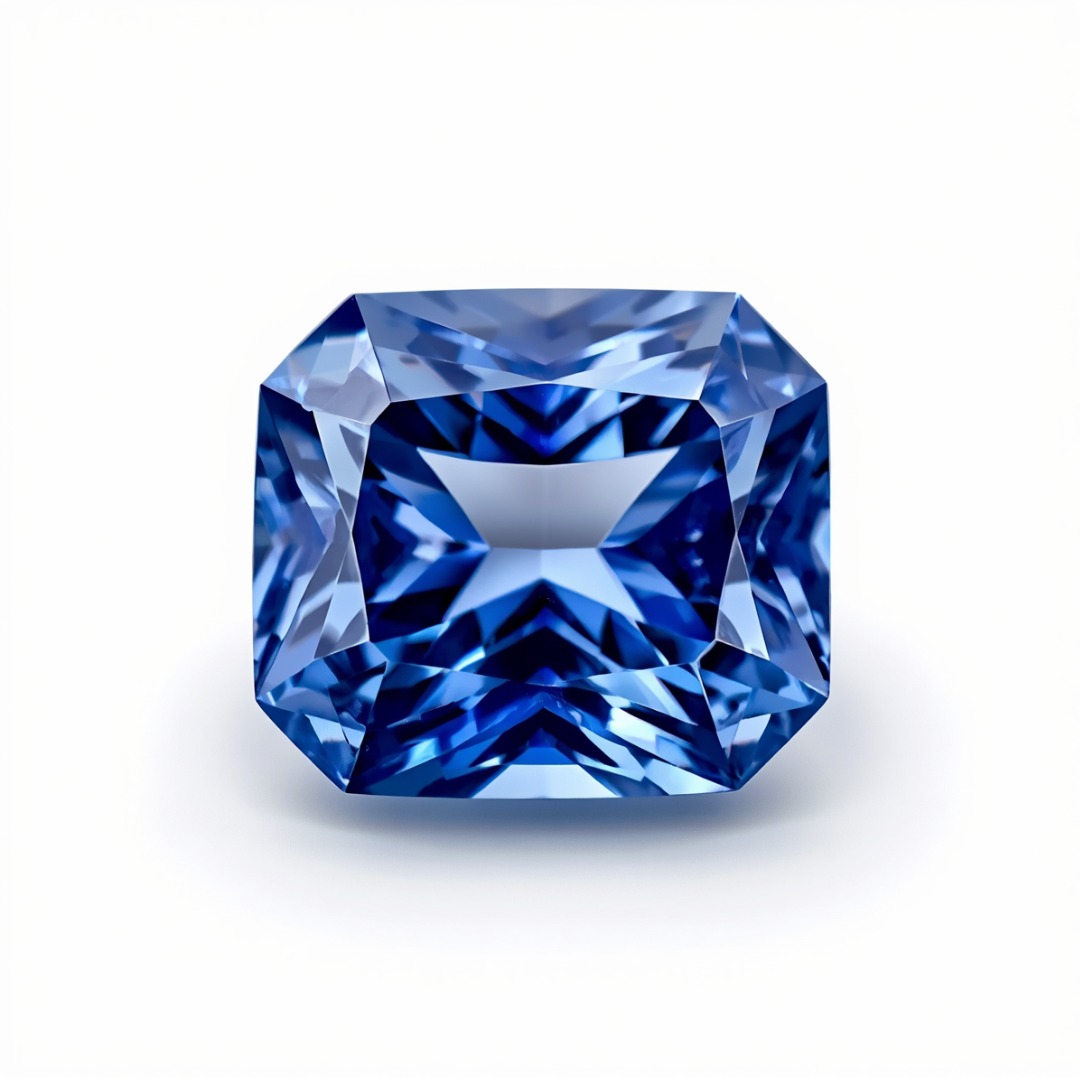
The blue sapphire color chart: Understanding quality
The most critical factor in determining the value and beauty of a sapphire is its color. Professionals use a specific framework to evaluate the "blue" in the stone, focusing on three key dimensions:
- Hue: The primary color (blue) and any secondary overtones (such as violet or green).
- Tone: How light or dark the stone is. The most prized stones are medium to medium-dark.
- Saturation: The intensity or brightness of the color. High saturation leads to a "vivid" appearance.
A comprehensive blue sapphire color chart is an indispensable tool for any collector, as it categorizes stones from the delicate, violet-tinged hues of "Cornflower Blue" to the deep, saturated intensity of "Royal Blue." At Lot of Jewelry, we use these standardized charts to help you visualize the subtle shifts in tone and saturation that distinguish a common navy stone from a truly rare, vivid masterpiece. To better understand how these factors influence the blue sapphire color chart, consider the following common grades:
Grade | Color Description | Rarity |
|---|---|---|
Cornflower Blue | A soft, velvety blue with a slight violet tint | Very Rare |
Royal Blue | A deep, vivid, and highly saturated blue | Highly Coveted |
Navy/Ink Blue | Very dark blue, sometimes appearing black in low light | Common |
Pastel Blue | Light, airy blue with high brilliance | Trendy |
Blue sapphire meaning in love and relationships
Historically, the blue sapphire meaning in love has been synonymous with fidelity and "true blue" loyalty. It is no coincidence that this gemstone is a popular alternative to diamonds for engagement rings. At Lot of Jewelry, we often see couples choosing these stones to represent a bond that is both strong (durable) and deep (color). The blue sapphire meaning in love has long been defined by the virtues of fidelity, sincerity, and "true blue" loyalty, making it a powerful choice for those looking to symbolize a permanent bond.

Blue sapphire meaning in astrology and spirituality
Beyond its aesthetic beauty, the blue sapphire meaning in astrology is profound. In Vedic astrology, this stone represents the planet Saturn (Shani). It is considered one of the most powerful and fastest-acting gemstones in the zodiac.
Those who follow astrological traditions believe that:
- Blue sapphire crystal benefits include protection against negative energies and "evil eyes."
- It can bring sudden wealth, fame, and mental clarity to the wearer if aligned with their birth chart.
- It is associated with the Throat and Third Eye chakras, aiding in self-expression and intuition.
Because of its potency, it is often recommended to consult an expert or "test" the stone by keeping it near your body for a few days before committing to long-term wear.In Vedic traditions, the blue sapphire meaning in astrology is tied to the powerful influence of the planet Saturn, or Shani, representing discipline, hard work, and karmic justice.
The blue sapphire price: What determines value?
When shopping for a gemstone, the blue sapphire price can vary wildly from $500 per carat to over $15,000 per carat for exceptional specimens. Understanding the price drivers helps you make a balanced decision between quality and budget.
Key factors that influence the market value include:
- Origin: Sapphires from Kashmir, Burma (Myanmar), and Ceylon (Sri Lanka) usually command higher prices due to their historical prestige.
- Treatment: Most sapphires are heat-treated to improve color and clarity. Unheated, completely natural stones are significantly more expensive.
- Carat Weight: As the size of the stone increases, the price per carat jumps exponentially because large, high-quality crystals are rare.
- Cut: A well-proportioned cut will maximize the stone's "life" or sparkle, whereas a shallow or deep cut may dull the color.
The blue sapphire price is primarily driven by a combination of the stone's origin, carat weight, and whether it has undergone heat treatment, with current 2026 market values for premium specimens ranging from $2,500 to over $15,000 per carat.
Blue sapphire crystal benefits for holistic health
Many enthusiasts seek out these gems for their purported healing properties. While not a replacement for medical advice, the blue sapphire crystal benefits are often cited in lithotherapy for their cooling effect on the body and mind.
Users of these crystals often report the following improvements:
- Mental Focus: Reducing "brain fog" and increasing the ability to concentrate on complex tasks.
- Stress Relief: Calming the nervous system and easing symptoms of anxiety.
- Physical Wellness: Historically, it was believed to help with ailments related to the eyes and blood circulation.
The blue sapphire crystal benefits extend far beyond simple aesthetics, as many practitioners of holistic wellness value the stone for its ability to sharpen mental focus and alleviate the weight of anxiety.
How to buy a blue sapphire: A checklist
Buying a sapphire is an investment in both emotion and finance. To ensure you are getting a genuine stone that matches your expectations, Lot of Jewelry recommends following these steps:
- Demand Certification: Always ask for a lab report from a reputable organization like the GIA or IGI. This verifies if the stone is natural or treated.
- Inspect Under Light: Look at the sapphire in both natural daylight and incandescent indoor light to see how the color shifts.
- Check for Inclusions: While eye-clean stones are best, small internal needles (silk) can actually prove the stone is natural and sometimes even enhance its glow.
- Set a Budget: Decide whether you prioritize size or the intensity of the blue.
Frequently asked questions
Are blue sapphires worth any money?
Yes, blue sapphires are one of the most valuable colored gemstones in the world. Their value is driven by rarity, durability, and constant demand. High-quality natural stones, especially those that are "unheated," consistently appreciate in value over time, making them a viable alternative investment to traditional assets.
What not to do while wearing blue sapphire?
To protect your gemstone, avoid exposing it to harsh chemicals like bleach or abrasive cleaning agents. While sapphires are tough, they can still chip if they hit a hard surface at a specific angle. It is also advised to remove your jewelry during heavy physical activity or when using ultrasonic cleaners if the stone has significant inclusions.
What is the curse of the blue sapphire?
The "curse" usually refers to the "Delhi Purple Sapphire" (which is actually an amethyst), but folklore often warns that because blue sapphire is linked to Saturn, it can bring bad luck if it "disagrees" with the wearer's astrology. Most modern enthusiasts view this as myth, though many still choose to wear the stone with intention and respect.
How much is 1 carat of blue sapphire?
The price for a 1-carat sapphire can range from $400 for a commercial-grade navy stone to $3,000+ for a vivid, eye-clean Ceylon stone. If the stone is of Kashmir origin and unheated, the price can climb even higher.
Why did Princess Diana choose a sapphire?
Princess Diana famously chose a 12-carat oval blue sapphire engagement ring because it reminded her of her mother’s wedding ring and because she simply loved the color blue. It broke royal tradition at the time because it was not a custom-made piece, but it went on to become the most famous sapphire ring in history, now worn by the Princess of Wales, Catherine.
Conclusion
From the deep mysteries of the blue sapphire meaning in astrology to the practical considerations of the blue sapphire color chart, it is clear why this gem remains a staple of the jewelry world. Whether you are drawn to its stunning aesthetics or its spiritual protection, a blue sapphire is a timeless addition to any collection.
At Lot of Jewelry, we believe in transparency and education. By understanding natural blue sapphires explained, you can shop with confidence, knowing that you are selecting a piece of the Earth that will last for generations. Explore our collection today and find the blue that speaks to you.