


Where Do Precious Gemstones Come From? From Earth’s Formation to Your Jewelry Box


Deep beneath Earth's surface, extraordinary geological forces have spent millions of years shaping the brilliant crystals that adorn our finest jewelry. From deep mantle pressure to liquid mineral deposits cooling in underground chambers, every natural gem holds a unique geological history. While brilliant diamonds and vibrant colored gemstones have captivated humanity for centuries, few admirers realize the complex journey these natural treasures take to reach the modern gemstone market. Understanding where precious gemstones come from involves exploring planetary geology, international mining history, and delicate lapidary art. Whether you are searching for the perfect gemstone for an engagement ring or building a curated fine jewelry collection, learning about gem origins, classification, and mining regions helps you appreciate every stone's true value. This guide by Lot of Jewelry covers how natural gems form, where the world's finest deposits are mined, and how raw minerals transform into polished jewelry.
How Precious Gemstones Are Created
Gemstones are naturally occurring minerals, rocks, or organic materials formed under specific pressure, temperature, and elemental conditions. The three primary geological processes that produce natural gems include:
- Igneous Processes: As molten rock (magma) cools beneath Earth's crust or erupts as lava, mineral elements crystallize. Cooling magma chambers form pegmatites, which yield large, high-clarity crystals such as topazes, aquamarines, and tourmalines, as well as classic silicate mineral specimens like quartz.
- Metamorphic Processes: Intense heat and extreme tectonic pressure alter pre-existing rock structures without melting them completely. This intense pressure re-crystallizes minerals, creating high-value gems like rubies, sapphires, and emeralds.
- Sedimentary Processes: Surface water erodes existing rock formations, carrying mineral particles into lakes, rivers, and ocean beds. As water evaporates or deposits layers of sediment, minerals like opals and malachite precipitate out. Non-mineral rocks like lapis lazuli, an aggregate rock composed of lazurite, calcite, and pyrite, also form through complex mineral accumulation.
When molten magma forces its way toward Earth's surface through volcanic pipes, it brings deeply formed crystals like diamonds to accessible depths. Over millions of years, weathering and erosion expose these mineral veins in igneous rocks and alluvial riverbeds, allowing miners to recover raw rough crystals.
What Is the Difference Between Precious and Semi-Precious Gemstones?
For generations, jewelers divided natural gems into two rigid categories: traditional precious stones and semi precious stones. Understanding the historic distinction helps navigate traditional terminology used in retail fine jewelry:
Gem Category | Traditional Classification | Notable Examples | Key Characteristics |
|---|---|---|---|
Precious Stones | The four historical cardinal gems | Diamond, Ruby, Sapphire, Emerald | Extreme hardness, high historical rarity, international prestige |
Semi-Precious Stones | All other natural mineral gems | Amethyst, Garnet, Tanzanite, Opal, Aquamarine | Wide range of colors, varying abundance, diverse mineral structures |
While early traders considered precious stones superior due to historical European royalty trends, modern gemologists evaluate stones based on durability, clarity, cut, and rarity rather than rigid categories. Today, many semi precious gemstones such as top-grade tsavorite garnets or Paraiba tourmalines command significantly higher prices per carat than standard commercial rubies or sapphires. Despite the changing market, the distinction between precious gemstones and semi precious minerals remains a convenient way to organize colored stones in retail fine jewelry catalogs.
Top Countries Where Precious Gemstones Are Mined
Natural gems are distributed unevenly across the globe, concentrated in regions with unique tectonic histories. Mining operations extract many gemstones from ancient mountain ranges, volcanic pipes, and alluvial gravel deposits.
The primary mining countries producing high-quality gems include:
- Myanmar (Burma): Renowned for producing world-famous "pigeon's blood" rubies, imperial jadeite, and high-clarity spinels from the famous Mogok Stone Tract.
- Sri Lanka: Historically known as Rathnadeepa ("Gem Island"), Sri Lanka produces exceptionally clear cornflower blue sapphires, padparadscha sapphires, and cat's eye chrysoberyls.
- Colombia: The undisputed source of the world's most coveted emeralds, mined in famous subterranean deposits like Muzo, Chivor, and Coscuez.
- Brazil: A massive producer of diverse semi precious stones, yielding fine amethyst geodes, emeralds, imperial topaz, and rare neon-blue Paraiba tourmalines.
- Australia: The global leader in opal production, famous for black opals from Lightning Ridge and colorful boulder opals from Queensland.
- South Africa, Botswana, and Canada: Major global epicenters for rough diamond recovery from deep volcanic kimberlite pipes.
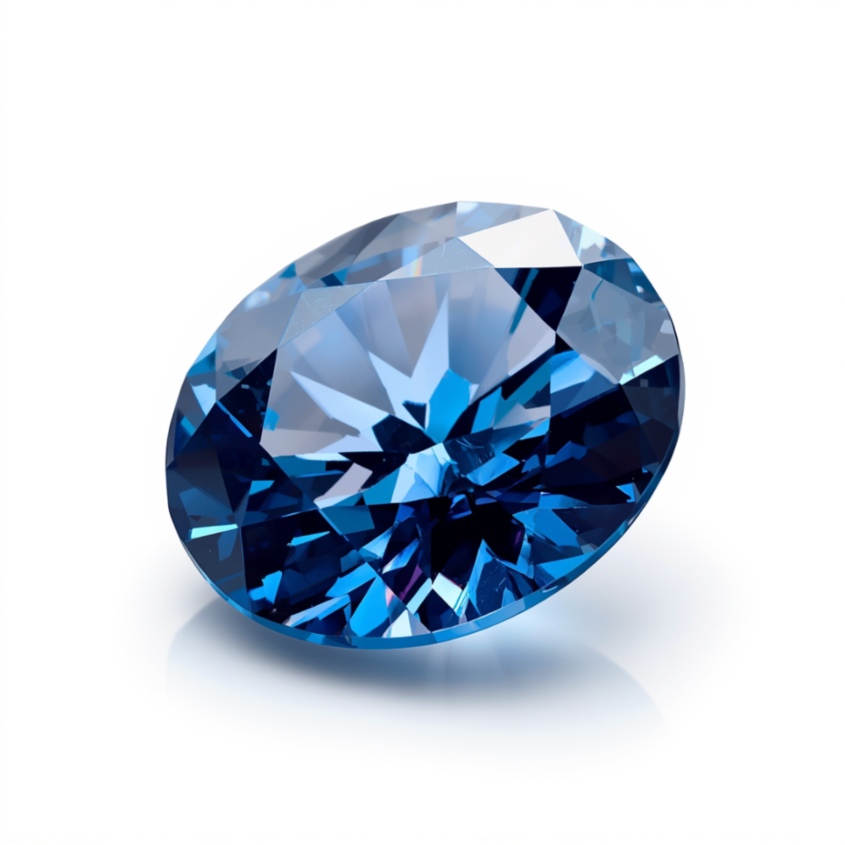
How Gemstones Travel From Mine to Market
The journey from a subterranean rock deposit to a refined piece of fine jewelry involves multiple specialized steps. Every natural gem passes through several expert hands before arriving in a retail showroom.
Here is the step-by-step process a raw mineral takes along the supply chain:
- Extraction: Miners extract rough minerals from hard-rock underground mines, open pits, or alluvial river gravels using manual washing or mechanized machinery.
- Sorting and Grading: Expert sorters organize rough stones by size, color saturation, potential clarity, and crystal structure.
- Lapidary Cutting and Polishing: Master cutters evaluate raw rough to determine the optimal shape (such as round brilliant, emerald cut, or oval) that preserves maximum weight while optimizing light reflection.
- Grading and Certification: Independent gemological laboratories inspect cut stones to confirm authenticity, identify natural inclusions, measure dimensions, and document enhancements.
- Wholesale Distribution: Dealers and trading houses sell loose certified stones to jewelry designers and manufacturing houses.
- Setting and Retail: Jewelry craftsmen set finished gems into gold, platinum, or silver mountings, presenting final pieces to consumers.
Does a Gemstone's Origin Matter?
In today's gemstone market, a stone's geographic origin can significantly influence its overall market value. For example, a natural sapphire verified as originating from Kashmir, India, or a ruby proven to come from Myanmar often commands a premium compared to gemologically identical stones mined elsewhere. This value difference stems from historical reputation, distinct color saturations, and regional rarity. Modern gemological laboratories analyze trace elements and microscopic liquid inclusions beneath the stone's surface to establish geographic origins with high scientific accuracy.
Natural, Treated, or Lab-Grown: How to Tell the Difference
As technology advances, consumers encounter a wide range of natural, modified, and manufactured stones across retail platforms. The primary differences across production categories include:
- Natural Gemstones: Formed entirely by geological processes over thousands or millions of years. They contain natural growth lines and microscopic inclusions that act as individual "fingerprints."
- Treated Natural Gems: Natural stones subjected to traditional post-extraction enhancements such as heat treatment to improve color, or subtle clarity oiling for emeralds.
- Lab-Grown / Synthetic Gemstones: Created in laboratory environments using technological processes like Flux growth or Hydrothermal synthesis. Synthetic gemstones possess the exact physical, chemical, and optical properties of natural mined gems, but are produced in weeks rather than geological ages.
- Simulants / Imitations: Materials that mimic the visual appearance of natural gems without sharing their physical or chemical properties. Popular simulants like cubic zirconia or glass offer inexpensive visual alternatives but lack the hardness and durability of genuine mineral crystals.

Brands like Lot of Jewelry specialize in transparently disclosure and certified sourcing, helping buyers select genuine natural stones or lab-created alternatives.
Gemstone Mining in the United States
While South America, Asia, and Africa lead global production volumes, the United States holds rich deposits of semi precious gemstones and select rare minerals.
Notable American gem mining locations include:
- Montana: Famous for Yogo Gulch sapphires, prized for their natural cornflower blue hues and high clarity without heat treatment.
- Arizona: A world-renowned producer of fine turquoise, peridot from the San Carlos Apache Reservation, and high-grade chrysocolla.
- Oregon: Famous for Oregon sunstones, a unique feldspar mineral containing copper platelets that create a shimmering metallic effect (aventurescence).
- California and Maine: Historically significant sources of vibrant green and pink tourmalines mined from pegmatite veins.
- Arkansas: Home to Crater of Diamonds State Park, where visitors can prospect for natural diamonds in an eroded volcanic pipe.
How to Buy Ethically Sourced Gemstones
As consumer awareness grows, ethical sourcing and environmental sustainability have become essential priorities when purchasing fine jewelry. When shopping for precious gemstones, consider these ethical buying practices:
- Request Independent Certification: Ensure your stone includes documentation from recognized laboratories like the GIA (Gemological Institute of America) or AGL (American Gemological Laboratories).
- Verify Traceability: Partner with jewelers who maintain transparent supply chains and source directly from artisanal cooperatives or audited commercial mines.
- Look for Recycled Precious Metals: Pair ethically mined or lab-grown stones with recycled gold or platinum settings to minimize environmental impact.
- Inquire About Fair Labor Practices: Confirm that mining partners adhere to fair wage standards and workplace safety protocols.
Trustworthy jewelers like Lot of Jewelry prioritize ethical supply chains, offering fully traceable stones that allow you to wear your fine jewelry with total peace of mind.
Frequently asked questions
Where do most precious gemstones come from?
Most precious gemstones are mined in regions with rich tectonic activity, including Southeast Asia (Myanmar, Sri Lanka), South America (Colombia, Brazil), and East Africa (Tanzania, Madagascar, Mozambique).
Does a gemstone's country of origin affect its value?
Yes. Geographic origin can significantly influence market value, especially for historical sources like Kashmir sapphires, Burmese rubies, or Colombian emeralds, which command premiums due to rarity and distinct optical characteristics.
How can you tell where a gemstone was mined?
Gemological laboratories determine geographic origin by analyzing trace chemical elements using advanced spectrometry and inspecting unique microscopic fluid inclusions inside the crystal structure.
Are natural gemstones more valuable than lab-grown gemstones?
Yes, natural gems are generally more valuable due to their natural rarity and geological age. While lab-grown alternatives offer identical visual and physical properties at lower price points, natural gems retain long-term collector value.
Can precious gemstones be found in the United States?
Yes. The United States produces high-quality sapphires in Montana, peridot and turquoise in Arizona, sunstones in Oregon, tourmalines in California, and occasional diamonds in Arkansas.
Final Thoughts: Appreciating Nature's Masterpieces
From their ancient formation deep within Earth's mantle to the precise cutting and setting process, natural gems represent an incredible intersection of geology, history, and human craftsmanship. Whether you prefer traditional precious stones like sapphires and emeralds or unique semi precious minerals like opals and tourmalines, understanding gem origins adds depth and meaning to every piece you collect. By choosing certified, ethically sourced gems from trusted jewelers like Lot of Jewelry, you invest in a timeless piece of Earth's natural history that can be cherished across generations.