


The rarest gemstones in the world (and why investors love them)


Rare gemstones combine scarcity, beauty and provenance a mix that appeals to collectors and investors alike. This article walks through the minerals and gems that routinely top “rarest” lists, explains why scarcity isn’t the only value driver, and offers practical guidance for investors who want exposure to physical gems. Along the way we’ll cover market signals, how grading and provenance affect price, and why some stones like blue diamonds can command auction records that dwarf even high-end watches and at.
Why rare gemstones attract investors
Investors are drawn to rare gemstones for several reasons: true geological scarcity , verified gemological quality (color, clarity, cut), and the emotional value that drives wealthy buyers. Unlike many collectibles, the finest gems are portable, durable, and relatively easy to store and insure. Auction records for blue diamonds and historic demand for stones like jadeite and Kashmir sapphire show how market scarcity combined with stellar provenance can produce outsized returns. Reliable certification from labs such as the Gemological Institute of America and transparent provenance reporting are essential to mitigate fraud risk.
Painite: the poster child of rarity
Painite was once known as the world’s rarest mineral and its story still fascinates collectors.Painite was first identified in Myanmar in the 1950s and for decades was known only from a handful of crystals. While more specimens have surfaced since the 2000s, facetable, fine-quality painite remains extremely scarce, which keeps prices high when gem-grade pieces appear on the market. Collectors prize painite both for its rarity and for its attractive reddish-brown to orange hues. The top 10 rarest gems in the world include treasures like Painite, Red Beryl, and Alexandrite stones so scarce that even seasoned collectors rarely encounter them.Gem green clour stones are often admired for their vibrant, nature-inspired beauty. From emeralds and peridots to tsavorite garnets, these green gems symbolize growth, renewal, and timeless elegance.
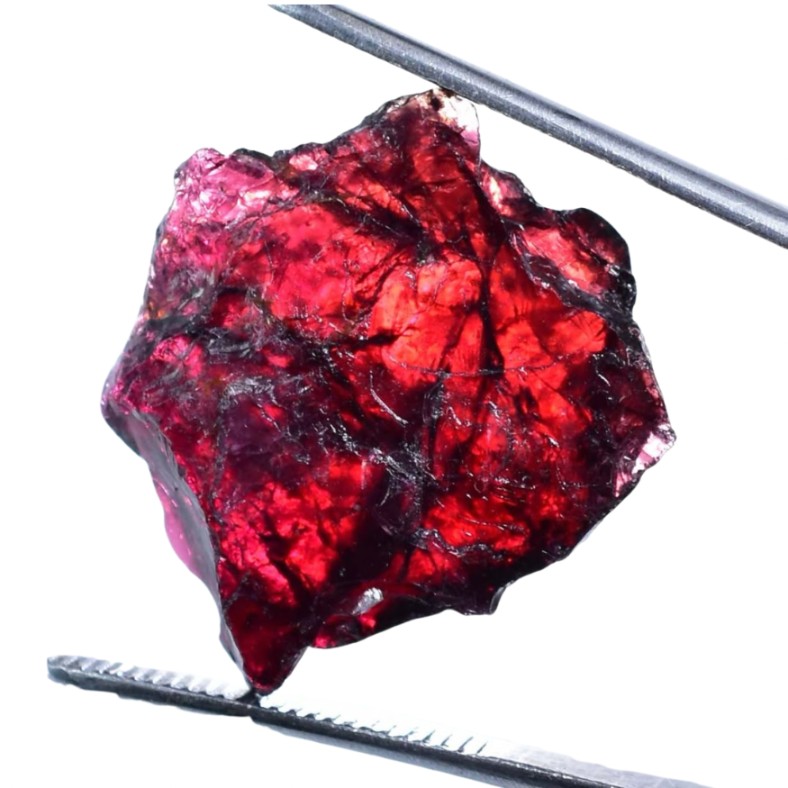
Blue diamonds: color + provenance = record prices.
Blue diamonds (type IIb, often containing boron impurities) are among the priciest gems sold at auction. Exceptional examples such as historically notable stones that have set records at Christie’s and Sotheby’s highlight how color intensity, size and impeccable provenance drive astronomical prices. For investors, top-quality blue diamonds are ultra-high-net-worth assets that perform best when paired with rigorous certification and exacting provenance documentation. The top 10 rarest gems in the world are treasures coveted not only for their beauty but also for their scarcity and investment potential.
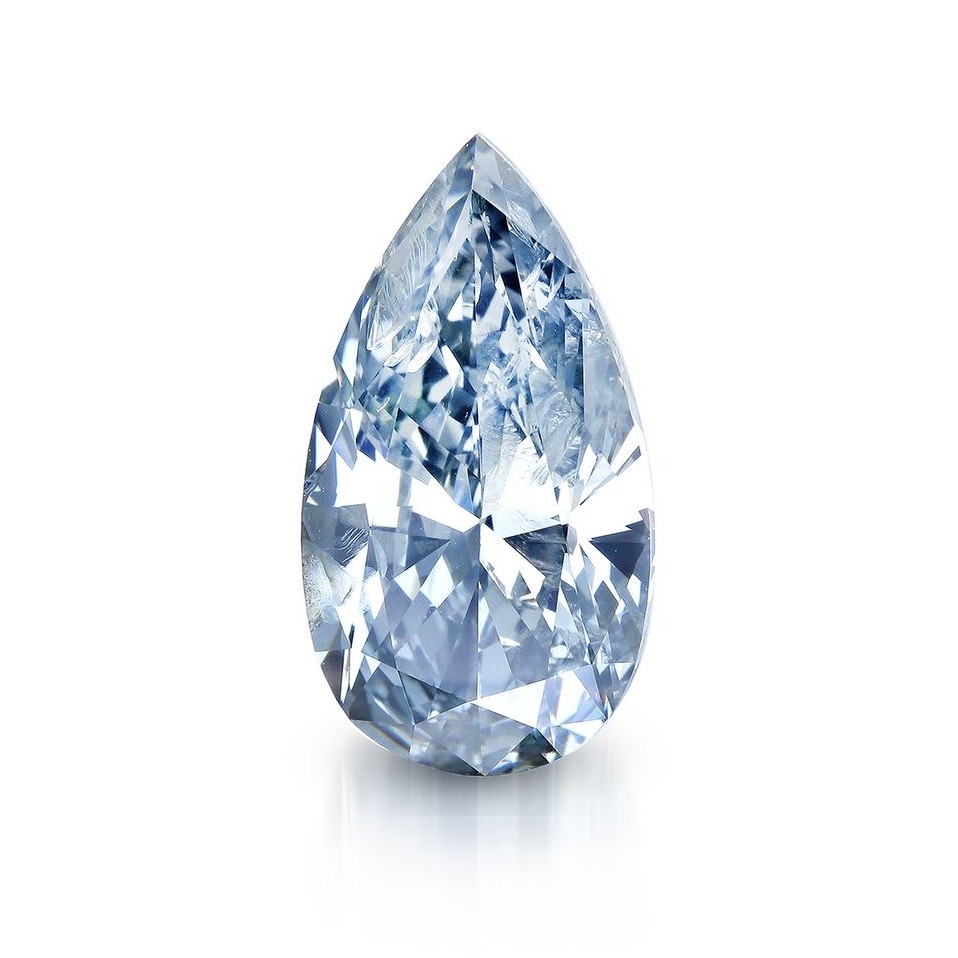
Alexandrite: the color-changing wonder
Alexandrite is prized for its dramatic color change (green in daylight, red under incandescent light). Fine, clean stones of significant size are uncommon, and gem-quality alexandrite typically commands high per-carat prices. The stone’s allure is both scientific and aesthetic, and historically limited supply from classic localities like Russia and Sri Lanka keeps alexandrite on investors’ radar. Certified gemology and accurate color-change grading are vital for market confidence.The top 50 rarest gemstones showcase an extraordinary range of colors, origins making them highly coveted by collectors and investors worldwide.
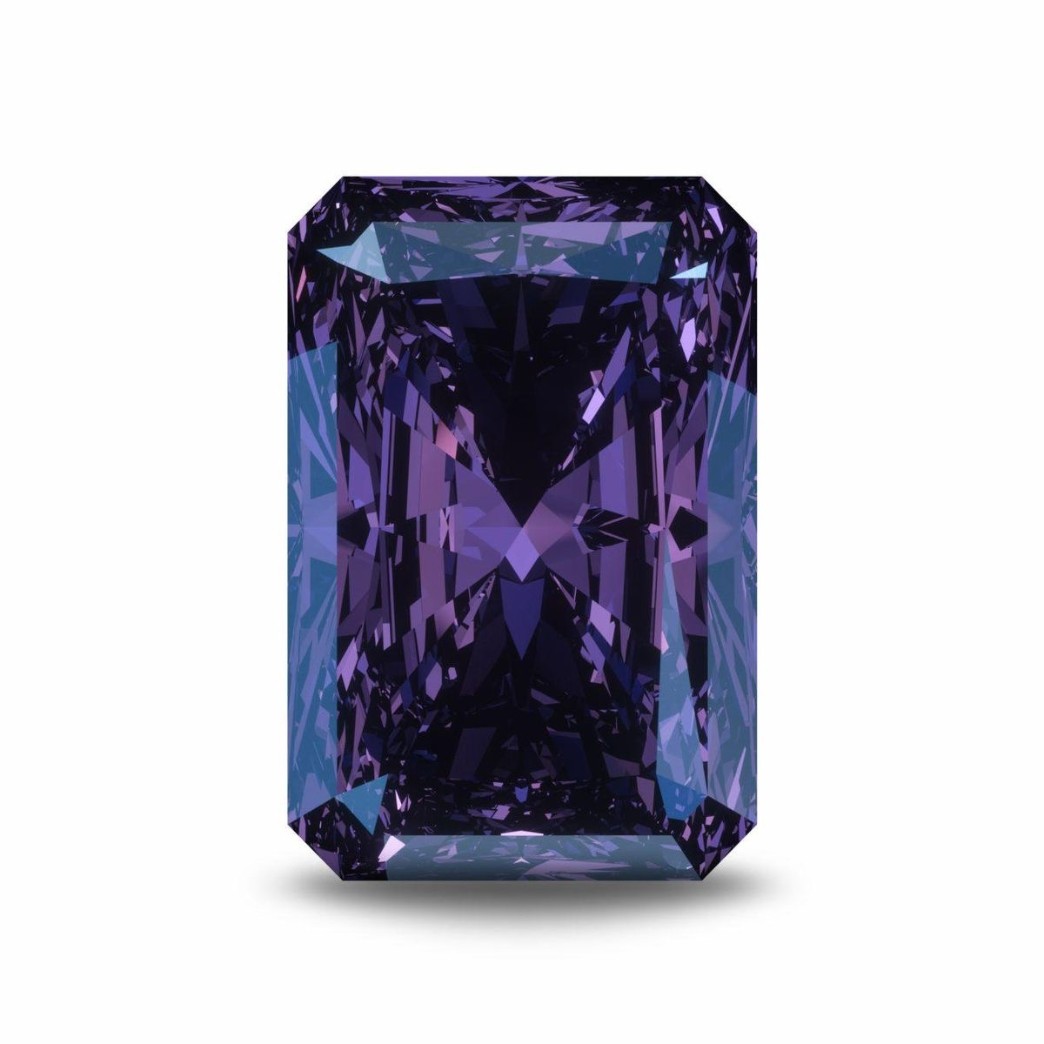
Red beryl (bixbite) and other geographic rarities
Red beryl (also called bixbite) is known from only a handful of occurrences in Utah and is far rarer than gem ruby by volume. Similarly, tanzanite’s exclusivity makes it a geological one-site wonder. Geographic rarity creates a simple economic truth: supply shocks a mine closure or political restriction can dramatically tighten supply and push prices up. Investors watch mining reports and export controls as closely as they watch auction calendars.The top 50 rarest gemstones represent a fascinating spectrum of colors, textures, and origins, from the deep blues of blue diamonds to the delicate greens of grandidierite.Blue diamonds diamond are among the rarest and most valuable diamonds in the world, known for their stunning color and exceptional scarcity.
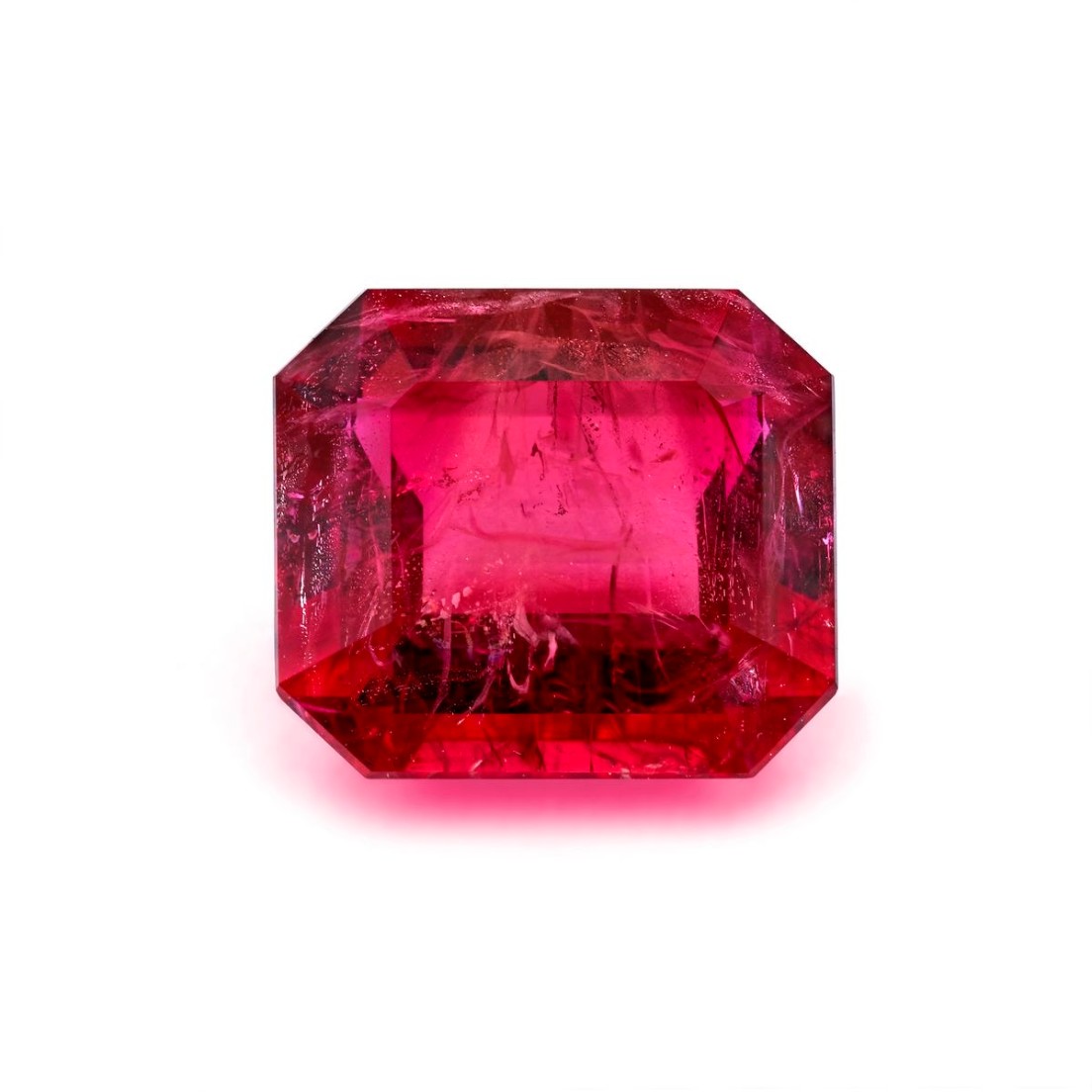
Taaffeite, jeremejevite and musgravite: collector’s rarities
Taaffeite, jeremejevite and musgravite are examples of minerals prized primarily by connoisseurs. They are not household names, but high-quality faceted stones in these species can fetch steep per-carat prices because supply is tiny and demand among serious collectors is consistent. These gems are part of a “top 50” or “top 100” rare gemstones list that collectors consult when assembling trophy collections. The top 20 rarest gemstones combine extraordinary beauty and extreme scarcity, making them highly sought after by collectors, investors, and jewelry enthusiasts alike.Gem green colour stones are admired for their vibrant, nature-inspired hues, ranging from the rich emerald green of May’s birthstone to the luminous tones of peridot and the deep forest shades of green tourmaline.
Jadeite and Kashmir sapphire: cultural and historic drivers
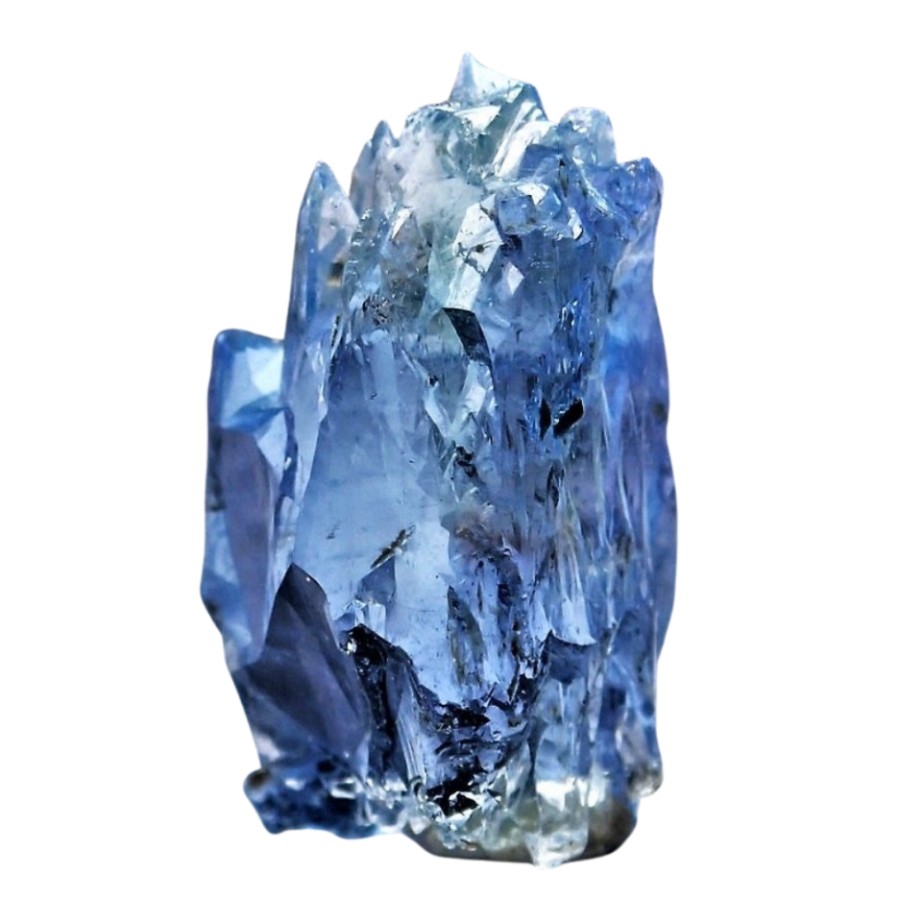
For some gems, cultural demand and historical prestige amplify value beyond geological scarcity.Jadeite, especially the translucent “imperial” green grade, commands immense prices in markets where cultural preference and historical collection matter. Similarly, Kashmir sapphires, with their velvety cornflower blue and tiny historic supply, sustain premium valuations. Certification and provenance are essential when paying a premium for culturally significant gems. The top 20 rarest gemstones are celebrated for their extraordinary beauty, scarcity, and investment potential.

Amber colours and organic gems
Organic gems such as high-quality amber occupy a niche but compelling corner of the market. Amber varies widely in color from honey to deep cognac and rare green or blue tones and exceptional specimens can be highly sought after. Blue diamonds diamond are among the world’s most coveted gemstones, combining exceptional rarity with their unmistakable deep blue hue.The top 100 rarest gemstones encompass a diverse array of colours, origins, and mineral compositions, making them highly prized by collectors and investors alike.The top 5 rarest gemstones blue diamond, painite, alexandrite, red beryl, and grandidierite, are prized for their extreme scarcity and stunning beauty.

How investors evaluate rare gemstones
A short checklist investors use before committing to a gemstone purchase.
- Certification: independent reports from GIA, SSEF or other respected labs.
- Provenance: documented ownership history and mine origin where possible.
- Rarity: geological scarcity, locality constraints, and supply chain risks.
- Market demand: auction performance, collector interest, and cultural trends.
- Liquidity: how easy is it to sell at auction or through dealers?
May’s birthstone is the vibrant green emerald, celebrated for its symbolism of renewal, growth, and prosperity. The top 100 rarest gemstones represent the pinnacle of natural beauty and scarcity, spanning a wide spectrum of colors, cuts, and origins.
Lot of Jewelry picks: where to start as a collector
A practical starter roadmap for new collectors who want both beauty and investment potential.
- Entry collector: small, well-certified stones of alexandrite or tanzanite with clear lab reports.
- Mid-tier: red beryl or musgravite with tight provenance and CIBJO-standard paperwork.
- Trophy piece: blue diamond or imperial jadeite only after third-party certification and auction provenance.
Lot of Jewelry recommends working with accredited gemologists and using secure auction houses or reputable dealers for high-value purchases.A rare gemstones list highlights some of the most extraordinary and hard-to-find minerals in the world, prized for their beauty, scarcity, and investment value.
FAQs
What is the rarest gem in the world?
Painite is often cited as the rarest gem by historical discovery and scarcity, though other species can exceed painite in per-carat auction price depending on color and provenance. Scientific rarity and market value aren’t always the same thing.
What is the 2 rarest gemstones?
If judged by historical scarcity, painite and taaffeite are among the top two rarest. If judged by market shock and price, large, vivid blue diamonds can outrank many mineral species. Context matters: geological rarity vs. market rarity.
May’s birthstone is the emerald, a vibrant green gemstone long associated with renewal, growth, and prosperity.
What are the 10 rarest stones?
Painite, taaffeite, red beryl (bixbite), alexandrite, benitoite, musgravite, jeremejevite, taaffeite (again in some lists for variants), tanzanite (single-locality), and blue garnet are commonly cited among the top 10 rarest stones lists vary by criterion. Always consult authoritative gemological sources for updated rankings.
What is the most valuable gemstone?
Historically the highest auction prices have been set by colored diamonds Exceptional blue diamonds and imperial jadeite have achieved record sums. Auction provenance, celebrity ownership and internal clarity can push prices well above per-carat prices for other rare minerals.
What is 1000 times rarer than a diamond?
Certain gems (like painite or taaffeite) were once considered orders of magnitude rarer in terms of gem-quality crystals recovered. However, rarity multipliers are not standardized; use specimen counts, known deposit sizes and verified production data for objective comparison.
Practical tips and final notes for investors
Buy with caution and documentation and know your exit plan.
- Always insist on up-to-date lab reports and, when buying high-value items, a second opinion from an independent gemological lab.
- Track auction results and specialist market reports to understand demand cycles (colored diamonds, jadeite and certain rare mineral species behave differently).
- Consider diversity: a small allocation to rare gemstones can complement traditional assets, but gems are illiquid and require specialist knowledge.
Lot of Jewelry advises prospective buyers to partner with accredited specialists and to demand both certification and clear provenance before purchasing trophy gems.
Closing & CTA
Collecting rare gemstones blends geological curiosity with art-market dynamics. Whether you’re aiming to buy painite for a museum-grade cabinet or to track blue diamond auctions, approach purchases with thorough certification and market research. For guidance, appraisal services, or curated listings, contact Lot of Jewelry we help collectors navigate provenance, certification, and secure purchasing for high-value gems.
Explore curated lists