


A guide to the world’s most exquisite gems


For centuries, humanity has been captivated by the natural brilliance found deep within the earth. From the deep crimson of a pigeon-blood ruby to the celestial blue of a rare sapphire, gemstones are more than just minerals; they are symbols of status, history, and geological wonder. Whether you are a collector or a first-time buyer, understanding the list of precious stones for jewelry helps in making an informed and meaningful investment.
At Lot of Jewelry, we believe that every stone tells a story of time and pressure. This guide explores the origins and characteristics of these earth-born treasures, providing a detailed list of gemstones a-z and highlighting the specific qualities that define their "precious" status.
The distinction between precious and semi-precious
Historically, gemstones were divided into two categories: precious and semi-precious. While modern gemology recognizes all natural stones as valuable, the traditional "precious" label was reserved for a select few based on their rarity, hardness, and historical significance.
Today, while we utilize a vast list of gemstones a-z to categorize everything from Amethyst to Zircon, the market still holds a special place for the "Big Four." However, as tastes evolve, the answer to what are the 7 precious stones often expands to include modern favorites that rival the classics in both price and beauty.
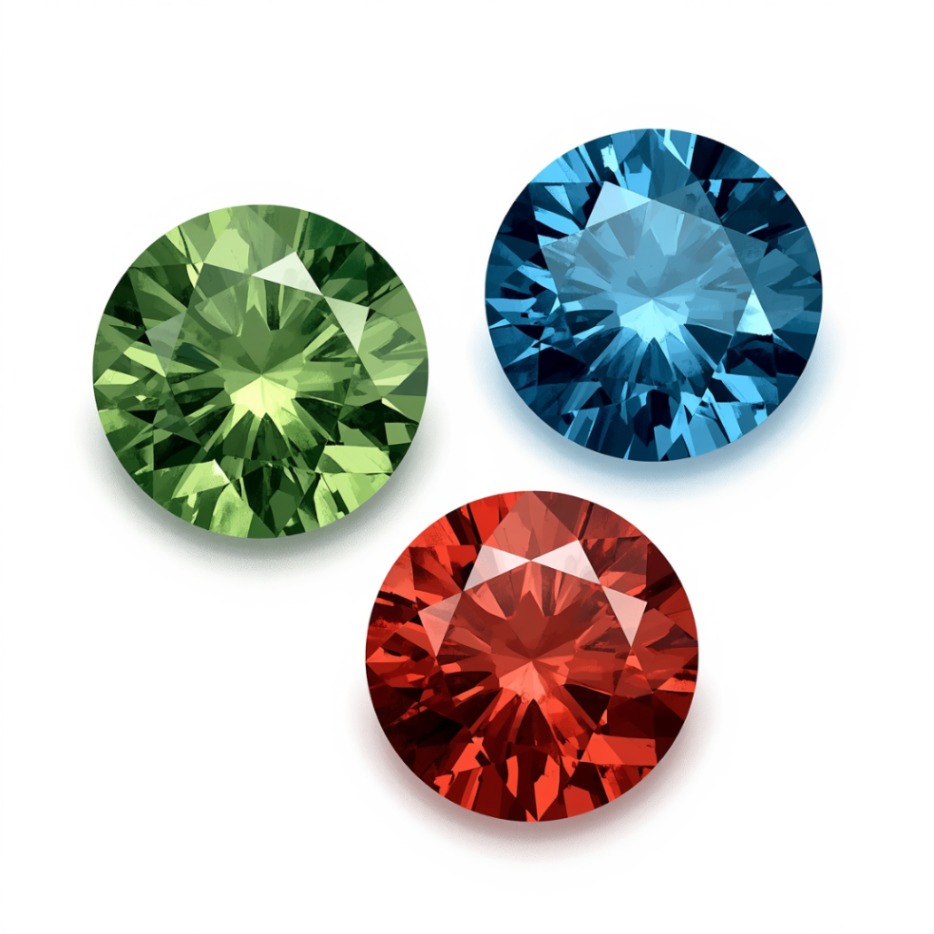
What are the 7 precious stones?
While the traditional list focused on four gems, the modern jewelry industry often expands this to seven to account for rarity and market demand. These stones are prized for their exceptional "fire," durability, and intense saturation of color.
The following list identifies the seven most influential stones currently dominating the luxury market:
- Diamond: The hardest known natural substance, formed from pure carbon.
- Ruby: A variety of the mineral corundum, celebrated for its vibrant red hues.
- Sapphire: Also a corundum, most famous in "cornflower blue" but available in many shades.
- Emerald: A variety of beryl known for its "jardin" (garden-like) inclusions.
- Tanzanite: Found only in the foothills of Mount Kilimanjaro, known for its trichroic blue-violet shift.
- Alexandrite: A rare chrysoberyl that changes color from green in daylight to red under incandescent light.
- Oriental Pearl: Natural pearls formed in mollusks, historically considered as precious as any mined mineral.
At Lot of Jewelry, we source these primary stones with a focus on ethical origins and exceptional cut quality.
List of precious stones with pictures and origins
Understanding where a stone comes from can often explain its unique "shade" or internal characteristics. The geological conditions in Colombia, for instance, produce emeralds with a different chemical signature than those found in Zambia.
The Big Four: History and shades
1. Diamond (The King of Gems)
- Origins: Primarily mined in Russia, Botswana, Canada, and South Africa.
- Shades: While colorless is the standard, "Fancy" diamonds appear in yellow, pink, and even blue.
- Value: Determined by the "Four Cs", Cut, Color, Clarity, and Carat weight.

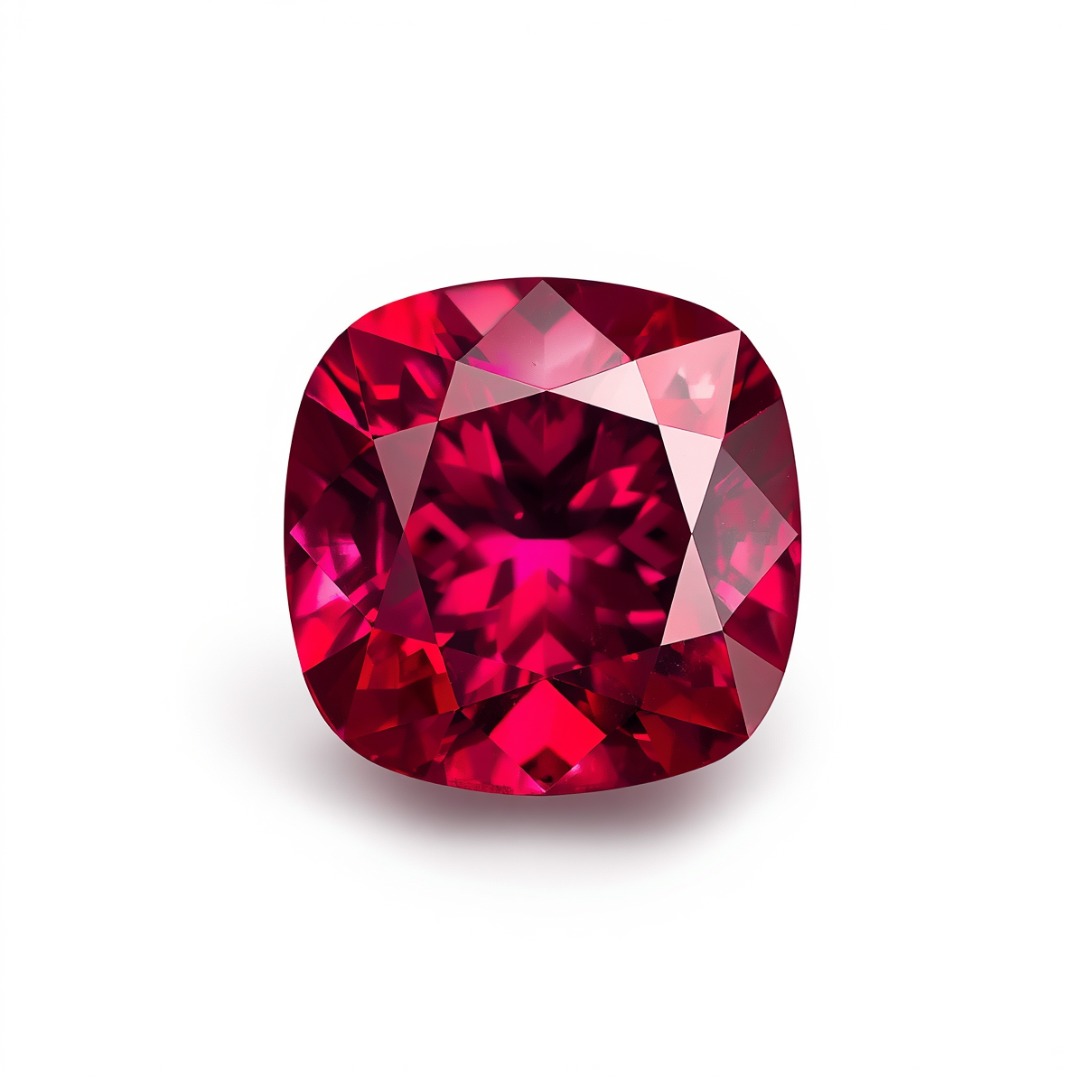
- Ruby (The Heart of Fire)
- Origins: Myanmar (Burma) produces the most sought-after "Pigeon Blood" rubies. Other sources include Mozambique and Thailand.
- Shades: Ranges from pinkish-red to deep, purplish-maroon.
- Value: Large, untreated rubies can be more expensive per carat than colorless diamonds.
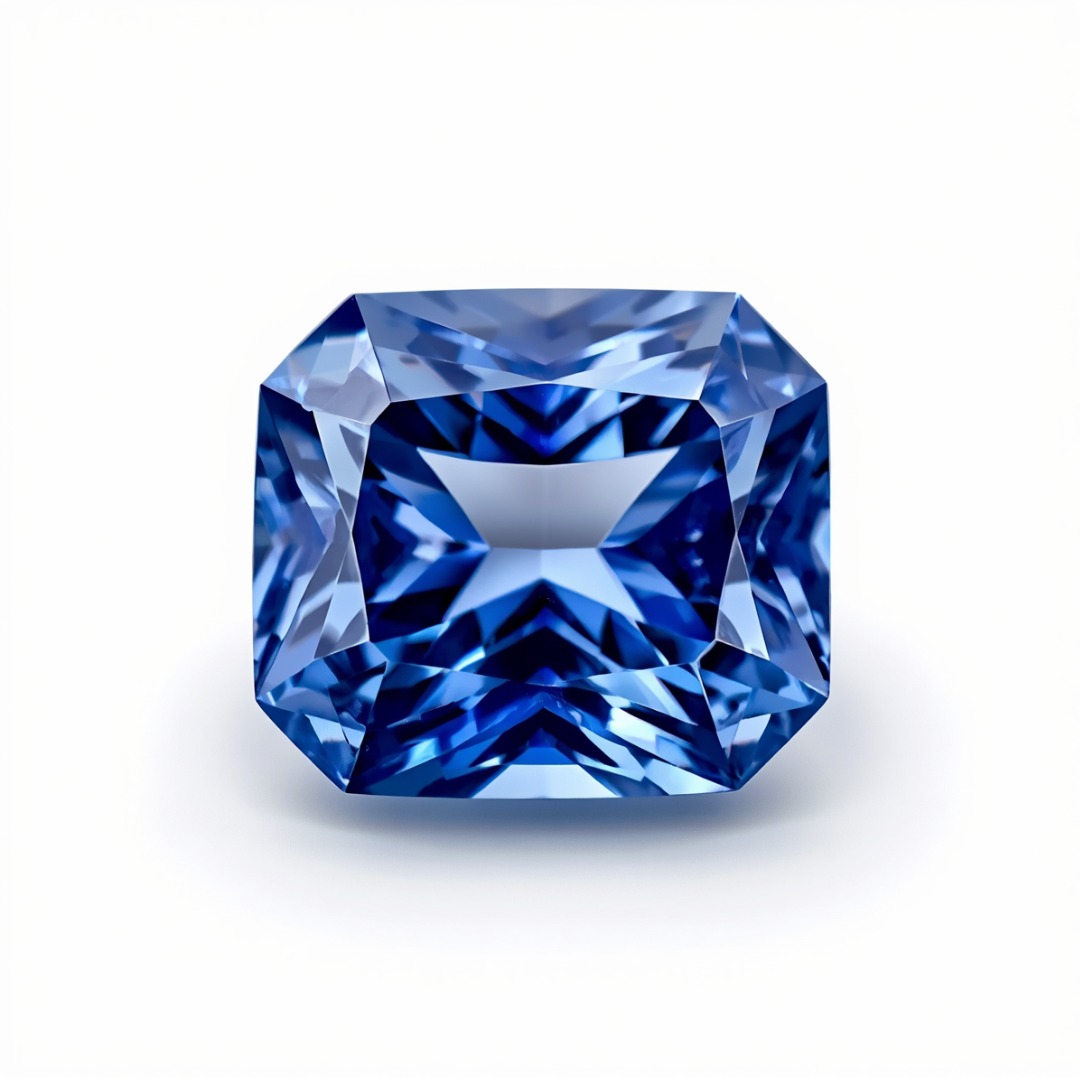
- Sapphire (The Celestial Stone)
- Origins: Historically from Kashmir and Ceylon (Sri Lanka). Madagascar is currently a major producer.
- Shades: While blue is iconic, "Fancy Sapphires" come in yellow, purple, and the rare orange-pink "Padparadscha."
- Value: Intense saturation and lack of "zoning" (uneven color) drive the price.
4. Emerald (The Green Garden)
- Origins: Colombia is the premier source, followed by Zambia and Brazil.
- Shades: From light mint to deep, velvety forest green.
- Value: Unlike other stones, visible inclusions (the jardin) are often accepted as proof of origin.

Finding the perfect gem begins with a visual and technical understanding of what makes a stone truly exceptional. When you examine a list of precious stones with pictures, you can see the distinct "jardin" or internal garden that identifies a natural Colombian emerald, or the "fire" that emanates from a perfectly cut diamond.
List of gemstones by value
When looking at a list of gemstones by value, it is important to note that rarity often trumps size. A small, high-quality stone will frequently outperform a larger, lower-quality specimen in the investment market.When evaluating a high-end acquisition, consulting a list of gemstones by value is an essential step for any serious collector or investor. While diamonds often dominate the public consciousness, certain rare specimens like the "Pigeon Blood" ruby or the neon-hued Paraiba tourmaline can command higher per-carat prices due to their extreme geological scarcity. At Lot of Jewelry, we prioritize transparency by providing our clients with a current list of gemstones by value, ensuring that every purchase aligns with the stone's actual market rarity and historical appreciation.
The table below provides a general hierarchy of value for high-grade specimens in the current market:
Gemstone Type | Primary Value Factor | Market Rarity |
|---|---|---|
Blue Diamond | Color Saturation | Extremely Rare |
Musgravite | Chemical Composition | Ultra-Rare |
Pigeon Blood Ruby | Origin (Burma) | Very High |
Padparadscha Sapphire | Color Blend | High |
Demantoid Garnet | Brilliance (Dispersion) | High |
For those looking for a specific list of precious stones for jewelry, Lot of Jewelry recommends balancing visual appeal with the stone's hardness, especially for rings that face daily wear. By utilizing a list of precious stones with pictures, collectors can better identify the subtle differences in shades that significantly impact the market value and aesthetic appeal of their custom jewelry pieces.
Detailed list of gemstones a-z
Beyond the famous seven, the world of gemstones is vast and colorful. Many "semi-precious" stones are actually rarer than diamonds but are classified differently due to their lower hardness or historical abundance.
Below is a curated selection of stones that are highly valued in modern artisanal jewelry:
- Agate: A banded chalcedony known for its earthy, organic patterns.
- Aquamarine: The serene blue-green sister to the emerald, representing the sea.
- Citrine: A vibrant yellow quartz that symbolizes prosperity and energy.
- Garnet: While usually red, it exists in every color except blue (the rarest being Tsavorite green).
- Lapis Lazuli: A deep blue metamorphic rock used in jewelry since the days of Ancient Egypt.
- Morganite: A soft pink beryl that has become a favorite for engagement rings at Lot of Jewelry.
- Opal: Known for "play-of-color," where the stone flashes a rainbow of hues when moved.
- Paraiba Tourmaline: A neon-blue stone from Brazil that is one of the most expensive tourmalines in the world.
- Spinel: Often mistaken for ruby in royal crown jewels, it is prized for its high refractive index.
- Topaz: Highly versatile, with "Imperial Topaz" being the most valuable natural orange-pink variety.
- Zircon: Not to be confused with cubic zirconia, this is a natural mineral with incredible sparkle.
In conclusion, exploring a list of precious stones with pictures reveals the incredible diversity and geological mastery required to create such brilliance. Whether you are investing in a classic diamond or seeking the unique "color-change" magic of an alexandrite, understanding the heritage and characteristics of these gems is essential.
Caring for your precious stones
Owning a piece from the list of precious stones for jewelry comes with the responsibility of preservation. Hardness is measured on the Mohs scale, and while a diamond is a 10, many stones like emeralds or opals are much softer and prone to scratching.
To keep your Lot of Jewelry jewelry looking its best, follow these basic guidelines:
- Store pieces in separate soft pouches to avoid stones scratching one another.
- Avoid using ultrasonic cleaners for emeralds or opals, as the vibrations can damage delicate internal structures.
- Apply perfumes and lotions before putting on your jewelry to prevent chemical buildup.
Frequently Asked Questions
What is the list of precious stones?
The traditional list includes Diamond, Ruby, Sapphire, and Emerald. However, in modern jewelry contexts, this often expands to include "precious" varieties like Tanzanite, Alexandrite, and high-quality Pearls.
What are the 12 precious stones?
The "12 precious stones" usually refers to the Biblical stones found in the Breastplate of Aaron or the traditional birthstones: Garnet, Amethyst, Aquamarine, Diamond, Emerald, Pearl (or Alexandrite), Ruby, Peridot, Sapphire, Opal (or Tourmaline), Topaz (or Citrine), and Turquoise (or Zircon).
What are the top 10 expensive stones?
The most expensive stones per carat typically include:
- Blue Diamond
- Pink Diamond
- Red Diamond
- Musgravite
- Painite
- Grandidierite
- ألكسندريت
- Jadeite
- Padparadscha Sapphire
- Burma Ruby
What are the 9 sacred gems?
Known as Navaratna in many Asian cultures, these nine gems represent celestial bodies: Ruby (Sun), Pearl (Moon), Red Coral (Mars), Emerald (Mercury), Yellow Sapphire (Jupiter), Diamond (Venus), Blue Sapphire (Saturn), Hessonite (Rahu), and Cat’s Eye (Ketu).
Conclusion
Whether you are drawn to the classic allure of the "Big Four" or the unique charm of a specialized list of gemstones a-z, selecting a stone is a deeply personal journey. By understanding the origins, shades, and values of these minerals, you can choose a piece that resonates with your personal style and holds its value for generations.
Explore the curated collection at Lot of Jewelry today to find a stone that matches your narrative. Every list of precious stones for jewelry is a starting point the true beauty lies in the stone you choose to wear.