


Ruby gemstone guide: Meaning, symbolism, and how to choose the right one

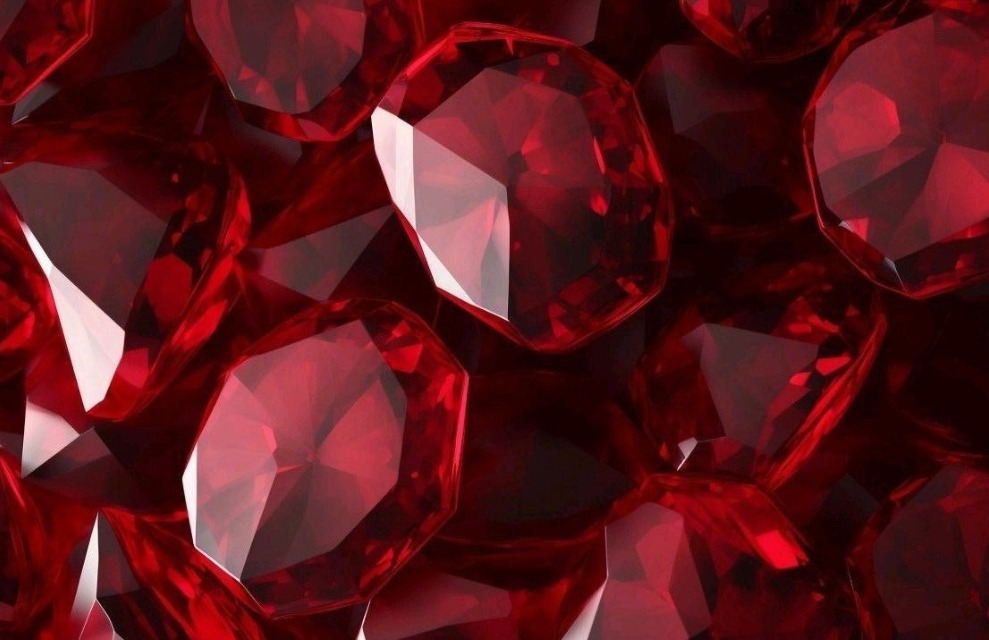
For millennia, few treasures have captured the human imagination quite like the incandescent glow of a real ruby gemstone. Revered by ancient kings, sought after by modern collectors, and celebrated across diverse cultures, this magnificent jewel represents the absolute pinnacle of the colored stone market. Belonging to the corundum mineral species, the ruby shares its chemical heritage with the sapphire, yet its distinct, fiery personality places it in a class entirely its own. When you select a premium piece from a dedicated purveyor like Lot of Jewelry, you are not merely purchasing a mineral specimen; you are inheriting a legacy of passion, power, and timeless elegance. Understanding the unique characteristics of this crystalline masterpiece is essential before making an investment. The fine gemstone market requires a discerning eye, as minor variations in hue, clarity, and geological origin can dramatically alter both the aesthetic impact and the final acquisition cost. This comprehensive guide will navigate you through the fascinating historical lore, the deep elemental symbolism, and the objective quality metrics that define the current ruby gemstone price frameworks.
The historical meaning and cultural symbolism of rubies
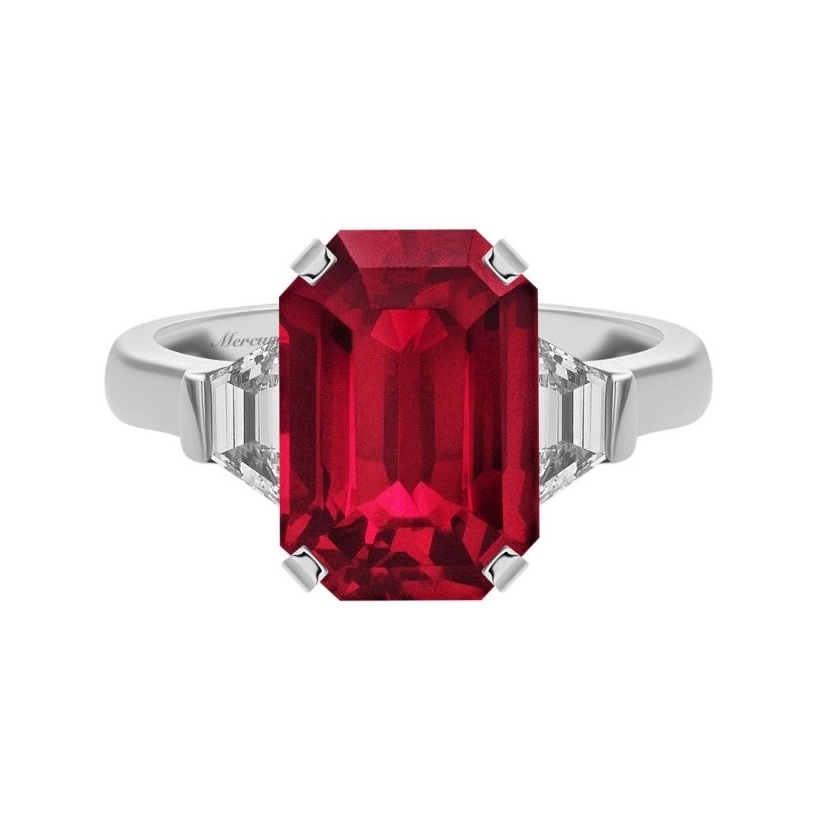
To fully appreciate the allure of a natural ruby gemstone, one must delve into its storied past. Historically, this stone has been referred to as the "King of Gemstones," a title derived from the ancient Sanskrit word ratnaraj. Ancient warriors in Burma wore them into battle for physical protection, while medieval European monarchs set them into crowns to signify divine favor and political authority. The emotional and psychological associations of the stone remain incredibly potent today. When clients partner with Lot of Jewelry to source an heirloom piece, they are frequently drawn to the profound symbolic properties that the mineral naturally projects.
The list below highlights the primary cultural and symbolic attributes associated with this iconic red corundum variety:
- Passion and love: The deep, blood-red body color has long served as the ultimate emblem of romantic devotion, making it a highly sought-after alternative for unconventional engagement rings.
- Vitality and life force: Because its shade closely mirrors arterial blood, ancient medical traditions believed the crystal stimulated internal circulation, banished lethargy, and amplified spiritual life force.
- Protection and courage: Wearers traditionally believed the gemstone would darken in color when danger or misfortune approached, allowing them to navigate perilous situations with absolute confidence.
- The 40th wedding anniversary: As the designated milestone jewel, it honors four decades of enduring love, representing a flame that continues to burn brightly after a lifetime together.
Decoding ruby gemstone colors: The ultimate value driver
In the realm of colored gems, color is the single most influential quality factor, carrying far more weight than clarity or carat mass alone. When gemmologists evaluate ruby gemstone colors, they analyze the profile through three specific dimensions: hue (the baseline color), tone (the lightness or darkness), and saturation (the vividness or purity of the shade).
Decoding ruby gemstone colors: The ultimate value driver
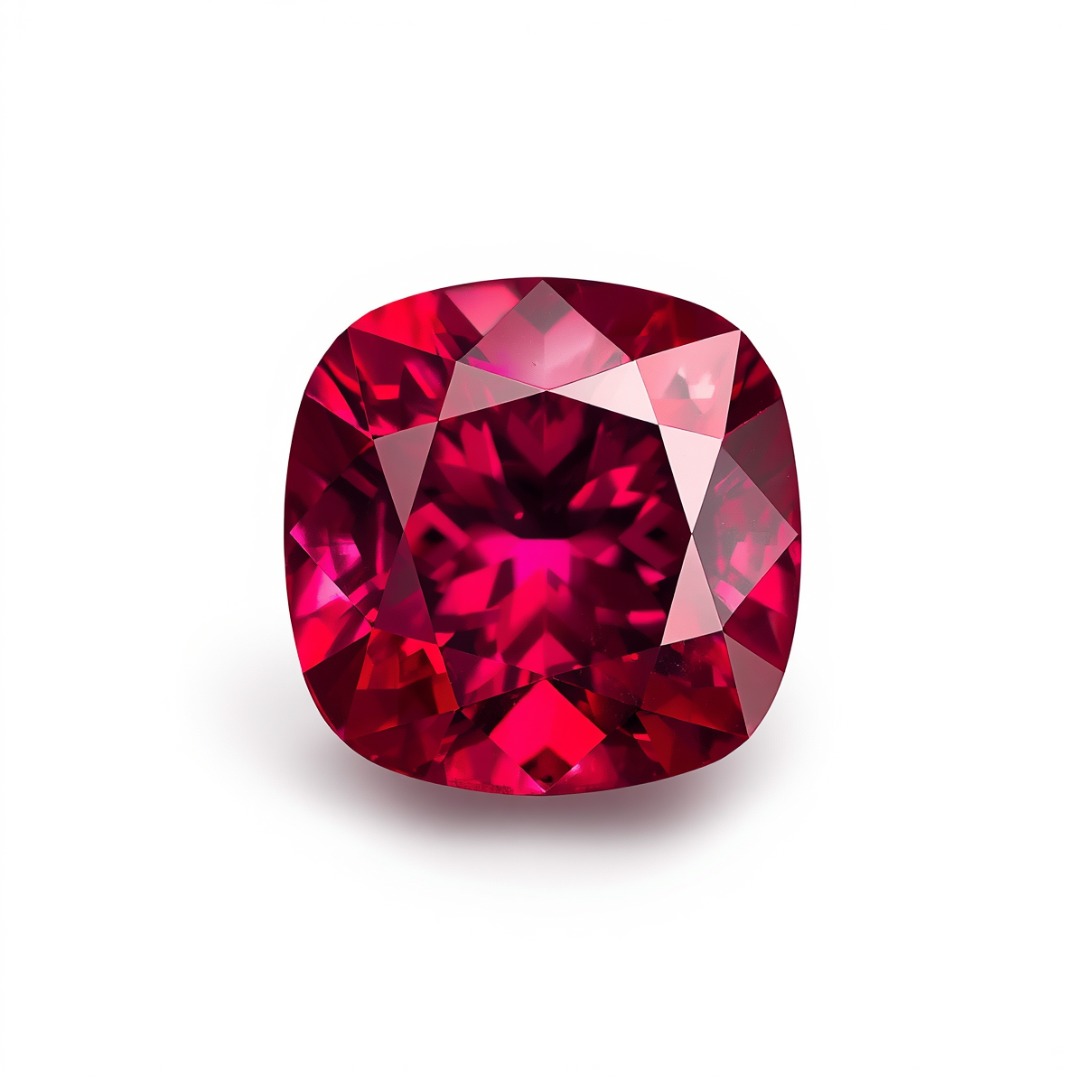
For anyone seeking to purchase an investment-grade specimen, the most critical question is invariably: what color ruby is most valuable? The industry standard dictates that the most prized rubies exhibit a pure, vibrant red to slightly purplish red hue. This specific color profile must feature a medium to medium-dark tone coupled with intense, vivid saturation.
This hyper-specific visual appearance is known internationally in the trade as "pigeon's blood" red. If the color trends too light, the mineral crosses a strict gemmological boundary and is legally classified as a pink sapphire. At Lot of Jewelry, our procurement team meticulously screens every stone to ensure our inventory reflects the exact ideal saturation windows that serious collectors demand.
Grading a real ruby gemstone: The 4Cs framework
Evaluating colored corundum utilizes a modified version of the traditional diamond grading criteria. However, because a natural ruby gemstone forms under highly turbulent tectonic conditions involving aluminum, oxygen, and chromium, its internal structural expectations differ significantly from carbon-based stones.
The summary below outlines the operational metrics our master gemmologists utilize when assessing prospective acquisitions:
Cut and structural geometry
Unlike diamonds, which are cut to maximize light return through mathematical formulas, rubies are fashioned to optimize color display and minimize weight loss. Lapidaries carefully orient the crystal during the cutting process to minimize pleochroism—a optical phenomenon where the stone shows different colors when viewed from different angles. Oval and cushion cuts are highly popular because they accommodate the natural shape of the rough corundum crystal while allowing the richest body color to surface.
Clarity and the reality of inclusions
When inspecting a real ruby gemstone, pristine, flawless clarity is exceptionally rare. The vast majority of natural specimens contain microscopic internal characteristics known as inclusions. These features often manifest as delicate, intersecting needles of the mineral rutile, affectionately referred to as "silk." Far from being defects, these natural internal features serve as diagnostic proof of a genuine, unheated origin. A moderate level of silk can actually enhance value by scattering light across the facets, softening the color and eliminating dark zones inside the stone.
Carat weight and the rarity of scale
As the mass of a corundum crystal increases, its availability drops exponentially. While small accent stones are relatively accessible, finding a high-clarity, beautifully saturated specimen that exceeds three carats is an extraordinary geological anomaly. Consequently, the per-carat price scales aggressively with size, meaning a single exceptional three-carat stone will command a vastly higher price than a combination of three individual one-carat stones of identical quality grade.
Understanding treatments and geographic origins
A significant percentage of the material available in the modern retail market undergoes environmental alterations to improve its visual appeal. Understanding these interventions is vital for determining an accurate ruby gemstone price strategy.
The table below delineates the common market states, standard treatments, and pricing tiers observed within the international gem trade:
Gemstone Status | Standard Industrial Treatment | Rarity Profile | Market Value Multiplier |
|---|---|---|---|
Untreated Natural | None (100% Organic Earth-Mined) | Ultra-Rare (Fewer than 1% of gems) | Premium Tier (Maximum Investment) |
Traditional Heat | High-Temperature Thermal Alteration | Industry Standard (Highly Accepted) | Baseline Standard Market Pricing |
Flux / Glass Filled | Lead-Glass Cavity Infusion | Common Commercial Fashion Jewelry | Economical Tier (Low Intrinsic Value) |
Synthetic / Created | Laboratory Flame-Fusion or Hydrothermal | Manufactured Product (Infinite Supply) | Minimal Value (Decorative Use Only) |
Beyond treatments, geographic origin plays a heavy role in value designation. Historically, the Mogok valley in Myanmar (Burma) has produced the world's most legendary specimens, commanding a massive premium over stones sourced from newer deposits. However, modern collectors working with Lot of Jewelry are increasingly turning to premium mines in Mozambique, Madagascar, and Tanzania, which consistently produce magnificent, eye-clean material with exceptional transparency at a more approachable price point.
Factors that dictate ruby gemstone price
The final market value of a fine ruby is determined by a delicate interplay of scarcity and aesthetics. Unlike diamonds, which follow a highly standardized pricing grid, colored gemstones are valued primarily on visual impact and geological rarity. Working with a trusted purveyor like Lot of Jewelry ensures you navigate these subtle market factors with absolute clarity.
When assessing the cost of a ruby, the international trade evaluates three primary pillars:
- The saturation of color: The closer a specimen gets to the coveted "pigeon's blood" red, the higher the baseline valuation climbs.
- The presence of treatments: A real ruby gemstone that has never been subjected to thermal heating routinely commands a premium of 50% to 100% over an identical heat-treated stone.
- Geographic provenance: Documented origins from historical deposits, such as Burma, add a significant luxury premium to the final invoice due to their dwindling global supply.
Frequently Asked Questions
Is ruby an expensive stone?
Yes, high-quality ruby is one of the most expensive colored stones in the world. Due to its intense scarcity, an exceptional, untreated natural ruby gemstone can easily command a higher per-carat price than a colorless diamond of equivalent weight. However, the market offers a wide spectrum of entry options, with heat-treated commercial stones providing beautiful aesthetics for everyday fine jewelry at a lower cost.
What does ruby stone symbolize?
The ruby stone primarily symbolizes profound romantic love, unyielding passion, vital life force, and spiritual courage. Throughout centuries of global history, it has also been worn by rulers to represent royal authority, absolute wealth, protection against negative energy, and an unshakeable connection to personal power.
How rare is ruby?
A top-tier, gem-quality ruby is considered substantially rarer than a diamond. While the earth contains various deposits of lower-grade, opaque corundum, finding transparent, richly saturated rough material that is large enough to facet into fine jewelry requires a perfect, rare intersection of chromium placement and minimal iron contamination during volcanic formation.
Who cannot wear ruby?
According to traditional Vedic astrology, individuals whose natal charts feature a weak or poorly placed Sun are cautioned against wearing this mineral, as it is the cosmic stone of solar energy. Specifically, systems often suggest that those born under the zodiac signs of Taurus, Virgo, Capricorn, Aquarius, and Pisces should avoid wearing it without a formal consultation with an expert astrologer.
How much is 1 ruby?
The financial value of a single ruby cannot be determined by a flat rate, as it is subject to the unique interplay of the 4Cs, origin, and treatment status. A commercial, heavily included one-carat treated stone may retail for roughly 200 EUR, whereas a certified, unheated pigeon’s blood Burmese ruby of the exact same weight can easily exceed 20,000 EUR at public auction.
Conclusion
Selecting the ideal crimson jewel is an incredibly intimate process that requires a delicate balance of objective gemmological knowledge and personal emotional connection. When evaluating ruby gemstone colors, remember to prioritize the vibrancy of the hue and the life of the stone over raw carat weight alone. A smaller, highly transparent stone with an energetic spark will always provide greater visual pleasure and long-term asset security than a large, dull, opaque specimen.
Always insist on purchasing your fine jewelry through a trusted, transparent specialist like Lot of Jewelry, ensuring that every significant acquisition is accompanied by a verified certificate from an independent, internationally recognized gemmological laboratory, such as the GIA or GRS. This documentation protects your investment by explicitly verifying the natural origin and specifying the exact nature of any heat treatments. By taking a methodical, informed approach to analyzing the current ruby gemstone price indicators, you can confidently invest in a timeless treasure that will continue to captivate generations for years to come.