


4 Gemstones rarer than diamonds you should know about


For generations, the brilliant spark of a diamond has been marketed as the ultimate symbol of extreme luxury, permanence, and geological scarcity. However, seasoned collectors, mineralogists, and high-end jewelry designers understand a fundamental truth that often surprises the public: diamonds are actually quite common when compared to the true anomalies of the mineral kingdom. Deep within the crust of the earth, rare geochemical environments have formed crystals that reveal what is rarer than diamond, existing in such miniscule quantities that they make standard white diamonds look practically abundant.
At Lot of Jewelry, we specialize in tracking down and highlighting the world's most exceptional mineral specimens for discerning clients. When fine jewelry enthusiasts begin to look past mainstream retail trends, they quickly encounter an elite tier of materials that outclass traditional stones in both geological uniqueness and market value.
Exploring the geological myth: Is diamond the rarest gem?
To truly understand high-value mineral collections, one must first dismantle a widespread misconception and ask: is diamond the rarest gem? The short answer is no; diamonds are actually among the most common precious stones found on the market today, sitting well outside the official top 10 rarest gem in the world index. The illusion of extreme rarity is primarily the result of highly successful historical marketing campaigns and tightly controlled global supply chains rather than an actual lack of natural deposits. Diamonds are made of pure carbon, which is an abundant element, and they form under high-pressure conditions that exist uniformly across many deep regions of the earth. In contrast, the most exotic specimens on a rare gemstones list require a perfect storm of highly volatile, incompatible elements to fuse together under precise structural conditions. When elements like boron, beryllium, or zirconium are forced into uncommon crystal structures, they produce unique minerals that clarify why the answer to is diamond the rarest gem is a definitive no, as these treasures are limited to just one or two isolated geographic locations worldwide.
The definitive guide to 4 gemstones rarer than diamonds
The following four minerals represent the absolute pinnacle of natural mineral scarcity. These specimens are highly coveted by international museums and private collectors because their total global yields are measured in mere handfuls of carats each year.
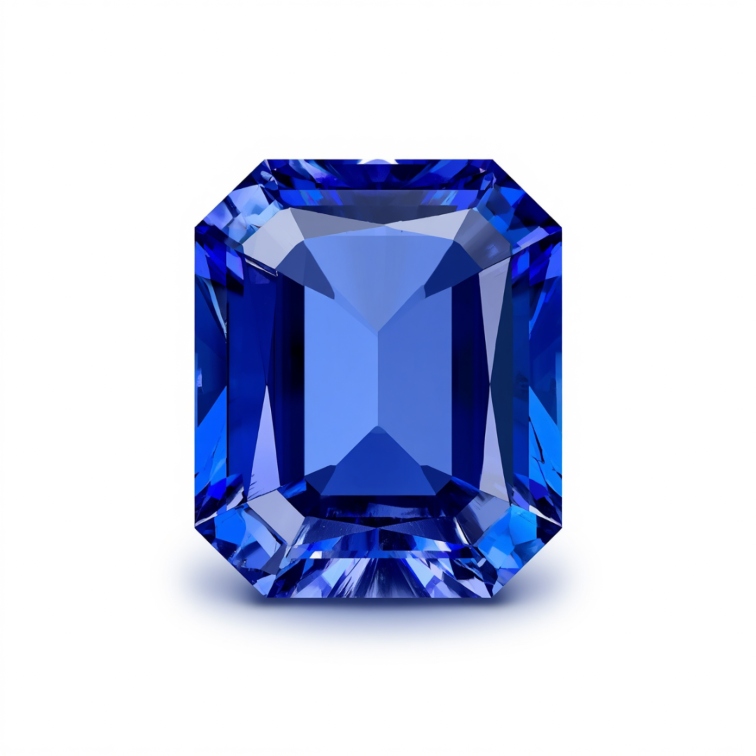
1. Tanzanite: The single-source African phenomenon
Tanzanite is a striking blue-violet variety of the mineral zoisite that owes its vibrant color to the presence of vanadium. What makes this stone incredibly rare is its singular geographic origin: a tiny, four-kilometer strip of land near the base of Mount Kilimanjaro in Tanzania.
2. Alexandrite: The color-changing chrysoberyl
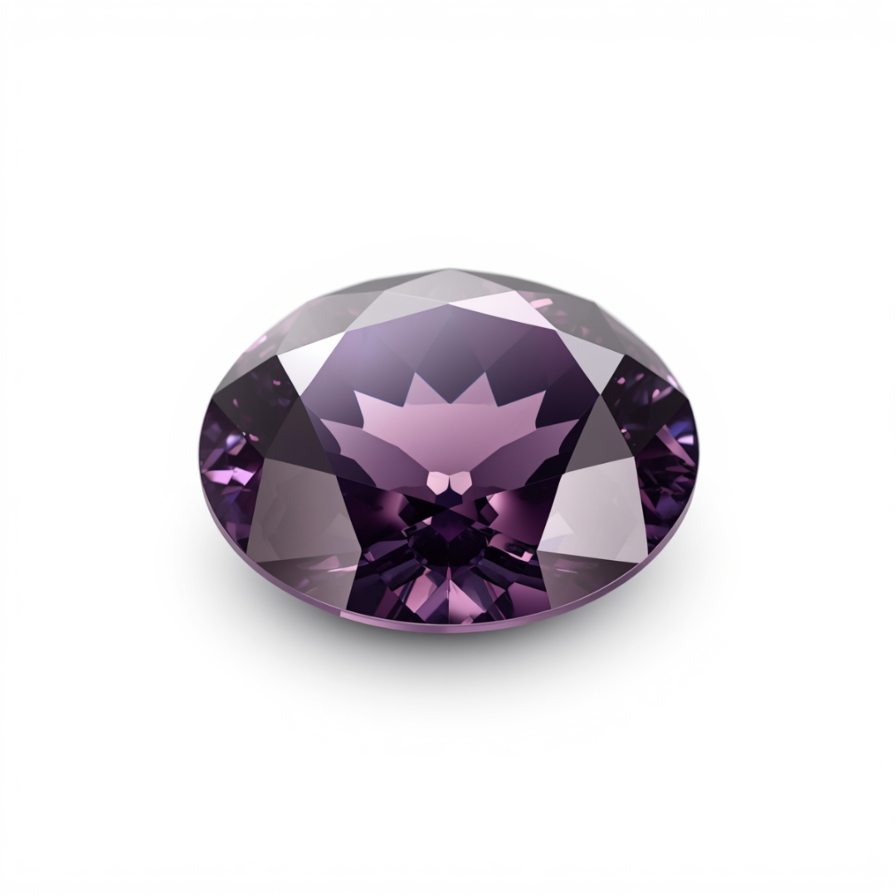
Discovered in the Ural Mountains of Russia during the 1830s, alexandrite is a chromium-bearing variety of chrysoberyl that displays a dramatic color shift depending on the ambient lighting. Due to a complex optical phenomenon, a fine alexandrite appears as a vibrant emerald green in natural daylight, but shifts to a deep raspberry red under warm incandescent light:
- The Beryllium-Chromium Paradox: Alexandrite can only form when the elements beryllium and chromium meet.
- Visual Selection Criteria: The value of an alexandrite is directly tied to the percentage of its color change; a clean 100% shift from green to red commands premium international prices.
3. Benitoite: The California star with diamond-like fire
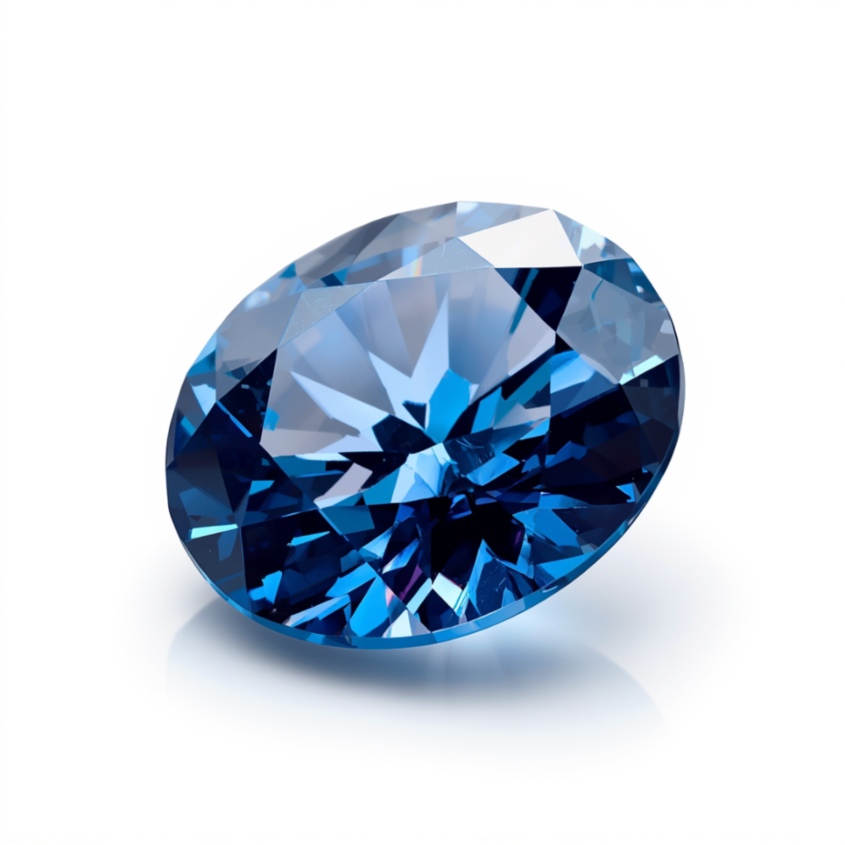
Benitoite is a beautiful barium titanium silicate mineral that produces a rich blue body color that easily rivals the finest sapphires. However, when a master lapidary cuts this material correctly, it displays a high level of dispersion, or "fire," that actually exceeds the natural fire of a white diamond.
4. Grandidierite: The translucent neon-blue treasure
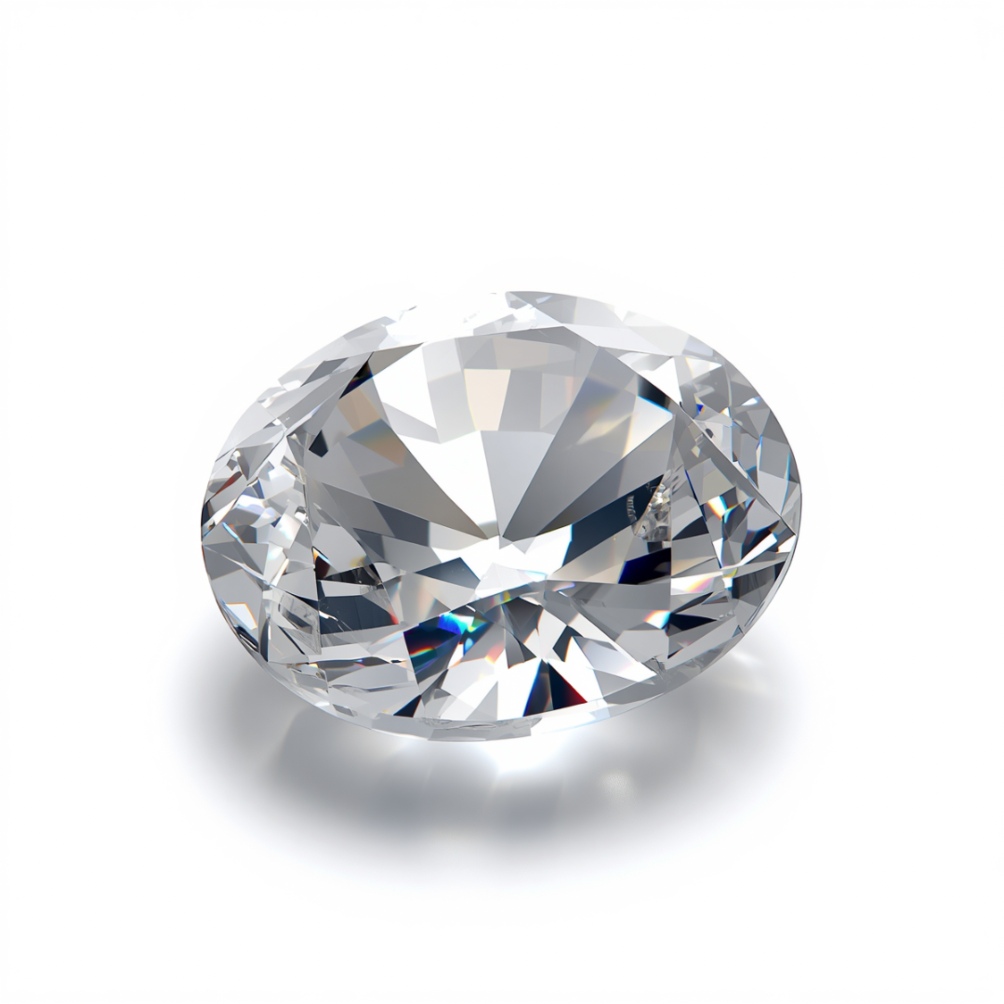
First discovered in southern Madagascar, grandidierite is an ultra-rare magnesium-aluminum borosilicate mineral that displays a stunning, translucent sea-green or neon-blue color profile. For over a century after its initial discovery, clean, facetable gem-quality specimens were virtually non-existent, with the few pieces available restricted to opaque geological samples.
Evaluating market values and the rare gemstones list
Understanding the financial reality of collecting these specimens requires looking closely at how global scarcity translates into retail and auction pricing. Unlike traditional stones that rely on standardized wholesale price guides, the pricing for exotic minerals is highly dependent on individual specimen attributes and localized auction demand.
To see how these elite materials compare financially, review the market data outlined in the table below:
Gemstone Variety | Average Price Spectrum (Per Carat) | Primary Color Profile | Distinct Optical Phenomenon |
|---|---|---|---|
Grandidierite | $20,000 - $35,000 | Transparent Neon Sea-Green | Strong Trichroism |
Alexandrite | $15,000 - $30,000 | Green to Incandescent Red | Dramatic Color Change |
Benitoite | $6,000 - $10,000 | Deep Vivid Royal Blue | High Dispersion Fire |
Tanzanite | $600 - $1,500 | Trichroic Violet-Blue | Pleochroic Multi-tonal |
The 4 gemstones rarer than diamonds price spectrum reflects an elite collector's market where demand consistently outpaces international supply. While a standard one-carat diamond might retail anywhere between $4,000 and $10,000 depending on its specific quality factors, top-tier examples from the top 20 rarest gemstones list easily command massive premiums at major international auction houses like Christie's and Sotheby's.
When you evaluate investment-grade specimens through Lot of Jewelry, our diagnostic teams analyze the origin, color saturation, and crystal clarity to ensure our clients capture maximum value and unquestionable authenticity.
Where these treasures rank among the top 10 rarest gem in the world
When gemologists compile the complete global matrix of planetary scarcities, the mineral hierarchy expands far past what is typically available in traditional fine jewelry boutiques. The stones featured in mainstream collections represent only a fraction of the top 10 rarest gem in the world index.
Many minerals on the top 20 rarest gemstones list are so scarce that they are completely unsuitable for commercial jewelry designs. Specimens like painite or musgravite are so rarely found in transparent form that the vast majority of existing pieces reside exclusively inside elite museum archives or high-security academic research vaults.
Understanding what is rarer than diamond allows sophisticated buyers to look past mainstream marketing narratives and discover the true, unadulterated marvels of planetary geology. At Lot of Jewelry, our ultimate goal is to bridge the gap between these incredible natural wonders and the collectors who cherish them.
Frequently asked questions
What gemstones are more rare than diamonds?
There are dozens of minerals that are significantly more rare than diamonds, including tanzanite, alexandrite, benitoite, grandidierite, and tsavorite garnet. While diamonds can be found in abundant deposits across multiple continents, these exceptional stones are typically restricted to single geographic locations or require incredibly rare combinations of chemical elements to form.
What are the top 5 rarest gemstones?
While the exact order can vary slightly based on new discoveries, the top 5 rarest gemstones generally include painite, taaffeite, grandidierite, musgravite, and red beryl. These minerals are so exceptionally scarce that finding a transparent, gem-quality crystal over one carat is considered an international geological event.
What are the 4 most precious gemstones in the world?
The four traditional precious gemstones are diamond, ruby, sapphire, and emerald. These stones have historically held the highest status in the jewelry trade due to their excellent hardness, intense color profiles, and historical association with royal collections, though many alternative collector gems are far rarer.
What is 1000x rarer than diamond?
Stones like red beryl (often called red emerald) and painite are estimated to be thousands of times rarer than traditional diamonds. For instance, red beryl is found in gem quality almost exclusively in the Wah Wah Mountains of Utah, with the earth producing only one crystal of red beryl for every 150,000 jewelry-quality diamonds mined.
Which gemstone is 20 times rarer than a diamond?
Tanzanite is widely cited by gemologists as being at least 1,000 times rarer than a diamond due to its incredibly limited geographic source. Because the entire global supply is confined to a single mining zone in Tanzania, its natural reserves are projected to be entirely exhausted within the next few decades.
What are the 9 sacred gems?
The nine sacred gems, known historically as the Navaratna in several prominent Asian cultures, include ruby, natural pearl, red coral, emerald, yellow sapphire, diamond, blue sapphire, hessonite garnet, and cat's eye chrysoberyl. These specific stones are traditionally arranged together in precise configurations to balance cosmic energies and bring protection, prosperity, and harmony to the wearer.
Conclusion: Building your exclusive legacy with Lot of Jewelry
Choosing to collect or invest in stones that surpass traditional diamonds is a definitive step toward building a highly unique, deeply meaningful mineral collection. In 2026, the global appreciation for natural history and exotic minerals has made it clear that true value lies in absolute natural scarcity rather than commercial retail popularity.
By focusing on verified origins, independent gemological grading, and iconic visual characteristics, you can curate a stunning collection that stands completely apart from mainstream trends. At Lot of Jewelry, we are deeply proud to serve as a trusted guide within the international gemological community, ensuring that our clients can access the earth's rarest treasures with absolute confidence and peace of mind. Reclaiming your appreciation for true planetary rarities is about more than just wealth; it is about holding a piece of natural history that is as unique as your own personal legacy.