


Cleaning and Care for Different Types of Gemstones

Owning fine jewelry is a privilege that comes with the responsibility of maintenance. Understanding the proper cleaning and care for different types of gemstones at home ensures that your precious investments retain their brilliance for generations. At Lot of Jewelry, we believe that every stone, from the hardest diamond to the most delicate opal, requires a specific touch to stay radiant.
The process of cleaning gems is not a one-size-fits-all task. While a diamond can withstand significant pressure, a porous stone like a pearl or turquoise can be permanently damaged by the same treatment. By mastering how to clean gemstones safely, you protect the structural integrity of the stone and the metal setting that holds it in place.
How to Clean Gemstones Safely at Home
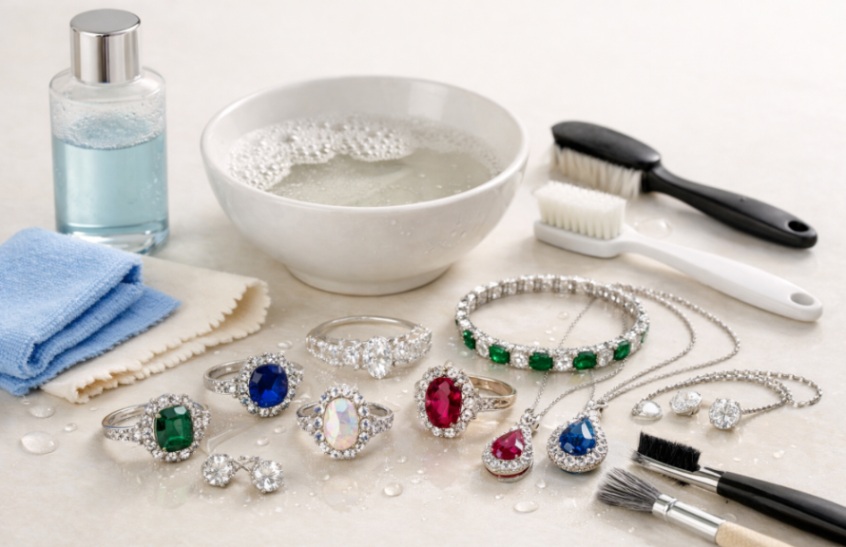
Most enthusiasts wonder how to clean stones in jewelry without risking damage. The safest general method involves a mixture of lukewarm water and a few drops of mild, detergent-free dish soap. This gentle solution effectively removes skin oils, lotions, and dust that accumulate during daily wear.
When you are learning how to clean gemstones, follow these foundational steps to ensure safety:
- Prepare a small bowl of tepid water and add a small amount of mild soap.
- Let the jewelry soak for 10 to 20 minutes to loosen stubborn grime.
- Use a very soft-bristled toothbrush to gently scrub behind the stone where dirt often hides.
- Rinse thoroughly under a separate bowl of clean water (avoid rinsing over an open drain).
- Pat dry with a lint-free, soft microfiber cloth to prevent water spots.
Special Care of Opals and Delicate Stones
If you own an opal, you own one of the most unique and fragile treasures in the mineral kingdom. The care of opals is vastly different from other stones because they contain a significant percentage of water (usually between 5% and 10%). If an opal loses its water content through heat or dry air, it can develop "crazing," which is a series of fine cracks that ruin the stone’s play-of-color.To ensure the longevity of these ethereal gems, proper how to care for opal jewelry involves managing their unique moisture content. Unlike harder stones, opals are relatively soft and porous, meaning they are highly sensitive to sudden temperature shifts and dry environments, which can lead to "crazing" or surface cracking. To maintain their vibrant play-of-color, avoid exposing them to harsh chemicals or ultrasonic cleaners, and always store them in a dedicated soft pouch, ideally with a small damp cotton ball if kept in a very dry climate, to preserve their natural hydration.
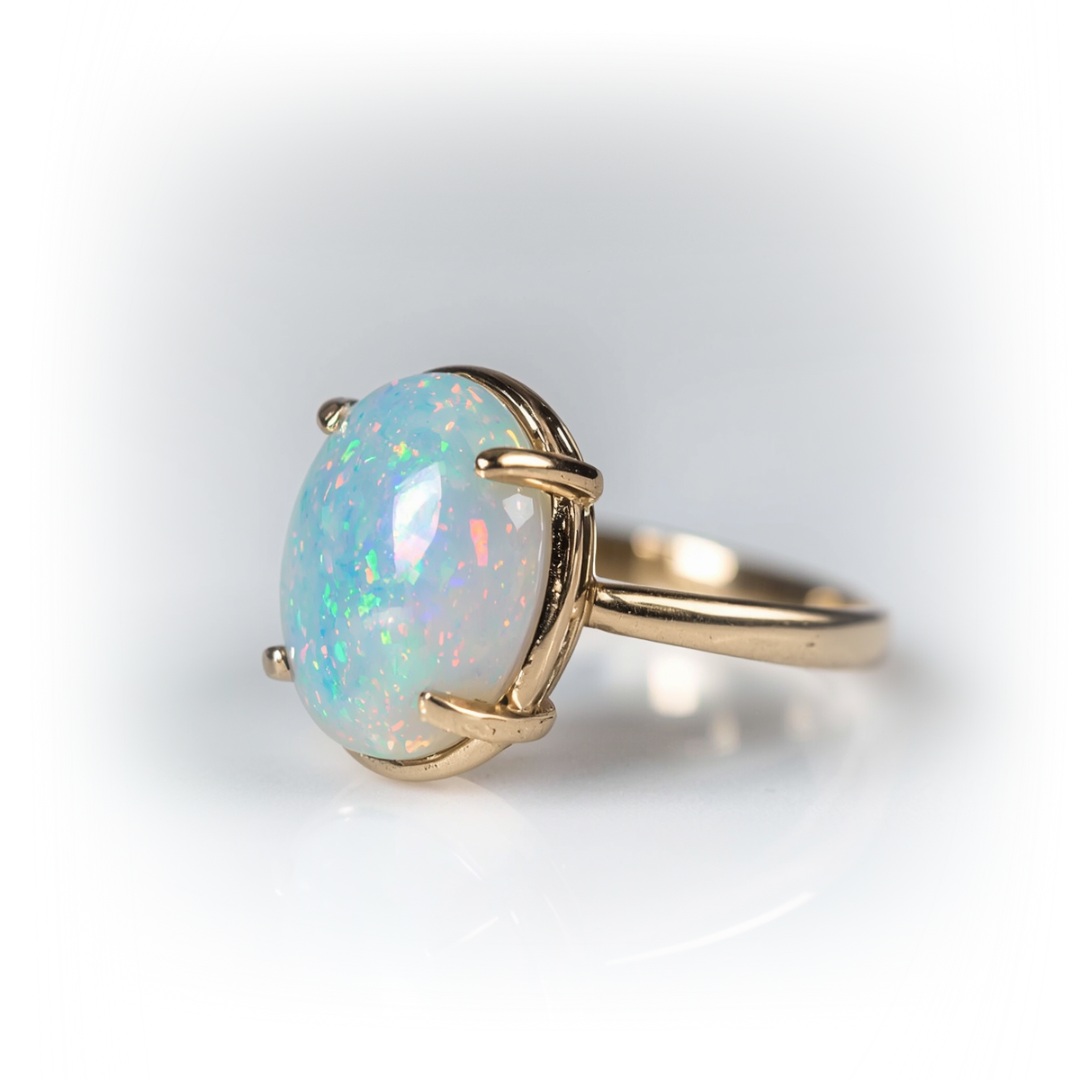
To ensure the longevity of these ethereal gems, follow these rules for how to care for opal jewelry:
- Hydration is Key: Occasionally wiping your opal with a damp cloth can help maintain its moisture balance.
- Avoid Submerging Doublets: If your opal is a doublet or triplet (layered stones), never soak it, as the adhesive holding the layers together can dissolve.
- Temperature Stability: Keep opals away from sudden temperature changes, such as moving from a cold outdoor environment to a hot radiator.
- Physical Protection: Because they are relatively soft, always remove opal rings before engaging in physical activities or household chores.
How to Clean Gold Jewelry with Precious Stones
Metal care is just as important as the stones themselves. When learning how to clean gold jewelry with precious stones, you must consider how the chemical cleaners might react with both elements. Gold is a soft metal that can scratch easily, and certain chemicals can discolor it or weaken the prongs holding your gems.
At Lot of Jewelry, we recommend these specific steps for gold-set jewelry:
- Check the Setting: Before cleaning gems, ensure all prongs are tight and no stones are loose.
- Avoid Chlorine: Never wear gold jewelry in swimming pools or hot tubs, as chlorine can cause "stress corrosion" in gold alloys.
- Use Gold-Safe Cloths: After washing, use a specialized polishing cloth to restore the luster of the metal.
How to Polish a Gemstone Ring
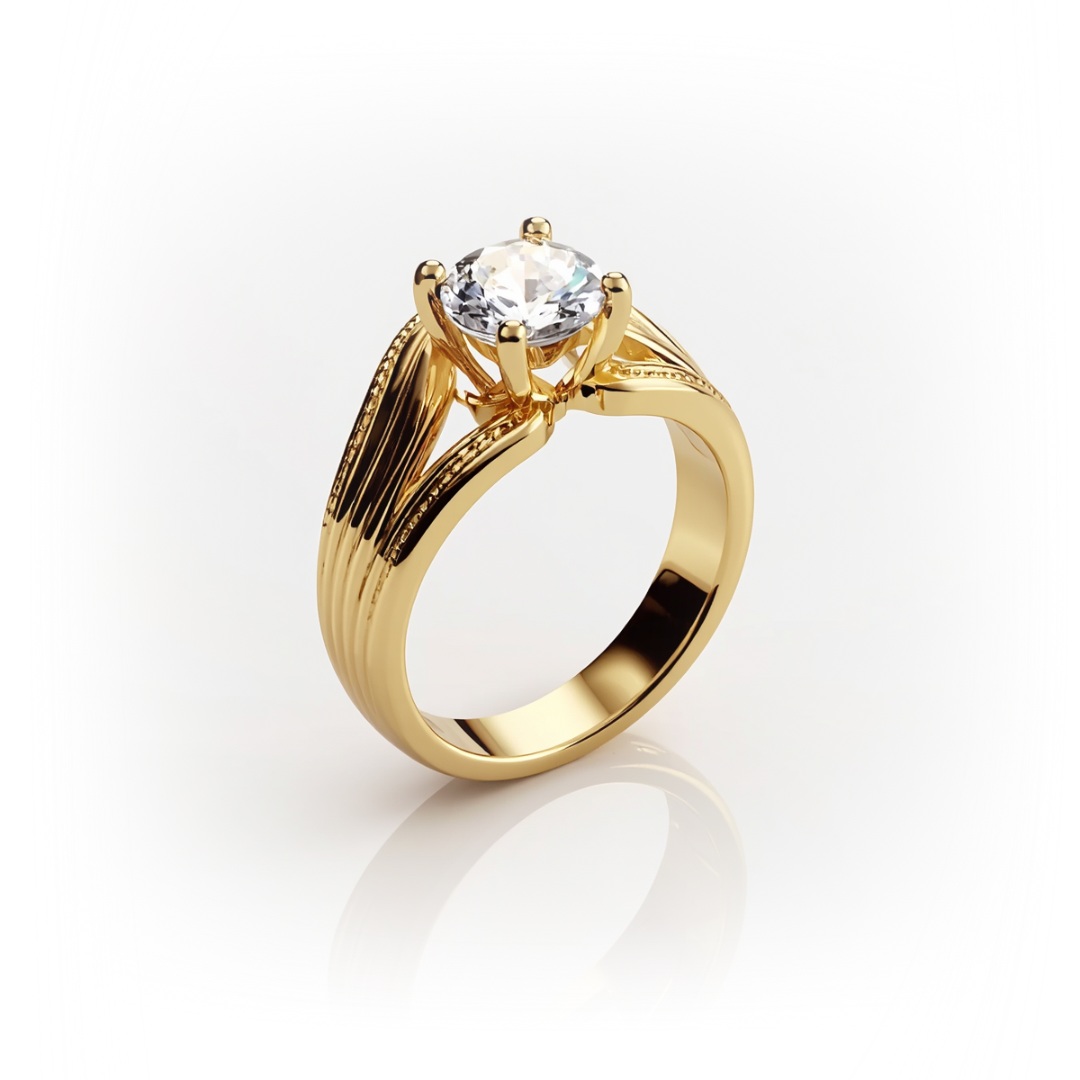
Over time, even the most well-cared-for jewelry can lose its mirror-like finish. Knowing how to polish a gemstone ring involves more than just cleaning; it requires a delicate touch to remove microscopic scratches from the metal surface.
For a professional-looking finish at home, consider these techniques:
- Polishing Cloths: Use a dual-layered jewelry cloth where the inner layer is treated with a mild rouge and the outer layer is for final buffing.
- Avoid Abrasives: Never use toothpaste or baking soda, as these are too abrasive and will create more scratches than they remove.
- Professional Servicing: For deep scratches, bring your piece to Lot of Jewelry for a professional buffing on a jeweler’s wheel.

Specific Gemstone Cleaning by Gem Type
Different stones have different chemical compositions, meaning their reaction to cleaners varies. Here is a breakdown of common categories:
- Hard Stones (Diamonds, Sapphires, Rubies): These can typically handle slightly warmer water and more vigorous scrubbing.
- Organic Gems (Pearls, Amber, Coral): These are extremely sensitive to acids and chemicals; only use a soft, damp cloth for cleaning.
- Porous Stones (Turquoise, Emeralds): Emeralds are often treated with oils to fill fractures; avoid steam or ultrasonic cleaners which can strip these oils away.
Common Mistakes to Avoid
Many people inadvertently damage their heirlooms by using "old wives' tale" cleaning methods. At Lot of Jewelry, we often see stones that have been dulled or cracked due to improper care.
To keep your collection safe, avoid these frequent errors:
- Ultrasonic Cleaners: Never use these for emeralds, opals, or any stone with significant inclusions, as the vibrations can shatter the gem.
- Chemical Exposure: Perfumes, hairsprays, and cleaning supplies should be applied before putting on your jewelry.
- Storage Clutter: Tossing all your jewelry into one box can lead to diamonds scratching softer stones like amethysts or peridots.
Why Choose Lot of Jewelry for Professional Care?
While DIY methods are great for weekly maintenance, professional intervention is necessary for deep restoration. By choosing Lot of Jewelry, you benefit from:
- Expert Inspection: Our specialists check for hairline fractures and loose settings that the naked eye might miss.
- Ultrasonic & Steam Mastery: We know exactly which stones can safely undergo high-tech cleaning and which cannot.
- Professional Polishing: We can restore the original "showroom shine" to your gold and platinum settings.
FAQs: Expert Answers for Gemstone Longevity
What is the safest way to clean gemstones at home?
The safest method is using lukewarm water, a few drops of mild dish soap, and a soft-bristled brush. This combination is effective for the vast majority of stones and is the gold standard for cleaning and care for different types of gemstones at home.
Which gemstones require special care or should not be cleaned with water?
Organic gems like pearls and amber, as well as layered opals (doublets/triplets), should never be submerged in water. Instead, wipe them gently with a soft, slightly damp cloth to prevent the absorption of liquids or the dissolving of adhesives.
Can I use ultrasonic or steam cleaners for all types of gemstones?
No. Ultrasonic and steam cleaners are dangerous for many stones. You should avoid them for emeralds, opals, tanzanites, and any stones that have been fracture-filled or oiled. The intense heat and vibration can cause stones to crack or lose their color treatments.
How should I store different gemstones to prevent scratches or damage?
Store each piece of jewelry in its own soft pouch or a separate compartment of a fabric-lined jewelry box. This prevents harder stones, like diamonds, from scratching softer gems and protects the metal finish of your rings and necklaces.
What household products should I avoid when cleaning gemstones?
Avoid using bleach, ammonia, toothpaste, baking soda, or any abrasive powders. These substances can strip the finish off gold, damage the surface of soft stones, and remove the natural oils found in gems like emeralds.
How can I tell if my gemstone needs professional cleaning?
If your jewelry looks dull even after a home soak, or if you notice a "filmy" residue that won't come off, it is time for a professional. Additionally, if the stone feels loose in its setting, stop wearing it immediately and bring it to Lot of Jewelry for repair.
Does frequent wear affect how I should care for my gemstones?
Yes. Pieces worn daily, such as engagement rings, accumulate more skin oil and debris than occasional wear items. We recommend a gentle home cleaning once a week and a professional check-up every six months to ensure the settings remain secure.
Conclusion
Maintaining the luster of your collection requires a blend of regular attention and specialized knowledge. From the delicate care of opals to the routine of cleaning gems set in gold, your efforts today will preserve the value and beauty of your jewelry for years to come. Whether you are learning how to polish a gemstone ring or seeking professional advice on how to clean stones in jewelry, the experts at Lot of Jewelry are here to help. Proper cleaning and care for different types of gemstones at home is the best way to honor the natural wonder of these spectacular stones.