


A beginner’s guide to diamond quality: what GIA doesn’t tell you

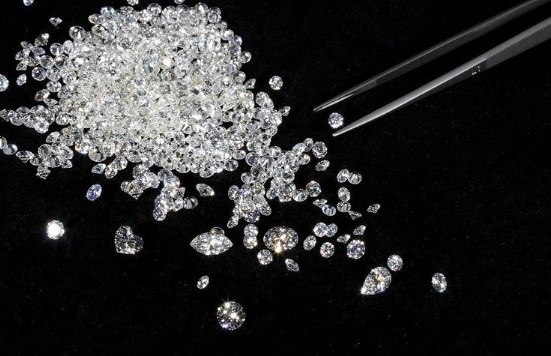
Understanding diamond quality is essential for anyone seeking the perfect stone, whether for engagement rings, investment, or collecting. While the Gemological Institute of America (GIA) provides a trusted grading system, there’s more to diamond selection than the official charts. In 2025, buyers are increasingly looking beyond traditional reports to understand how cut, color, clarity, and carat interact to define both beauty and value. This guide will explain diamond quality charts, clarity ratings from best to worst, the significance of diamond shape, colored diamonds, blackened diamonds, and how Lot of Jewelry can help you make informed choices. We’ll also cover diamond quality companies, the nuances of VVS1 vs VS2, and practical tips for checking diamond quality yourself. By the end, you’ll know how to navigate the diamond market confidently and choose the best quality diamond for your needs.
This is brought to you by Lot of Jewelry, your trusted guide in diamond expertise.
Diamond quality chart and price: understanding the basics
A diamond quality chart is a visual tool that ranks stones according to the four Cs: cut, color, clarity, and carat. In 2026, the diamond market has grown more sophisticated, with buyers seeking both traditional GIA-graded diamonds and stones evaluated by top diamond quality companies.
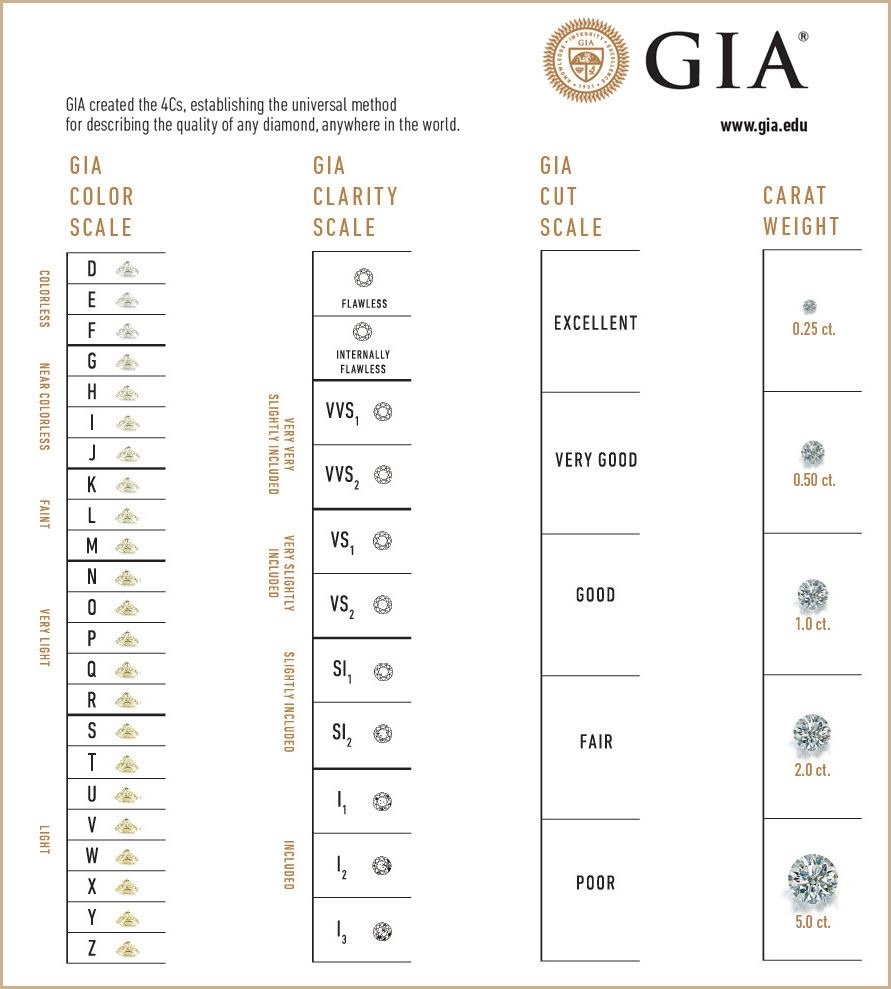
- Cut: Determines how well a diamond reflects light. Ideal or excellent cuts maximize brilliance and fire.
- Color: Measured on a scale from D (colorless) to Z (light yellow or brown). Colored diamonds may follow a separate grading for intensity.
- Clarity: Uses a diamond clarity chart from best to worst, ranging from FL (flawless) to I3 (included). VVS1 stones are nearly perfect under 10x magnification.
- Carat weight: Indicates size, but does not determine quality alone. Two diamonds of equal carat can have vastly different beauty depending on cut and clarity.
Using a diamond quality chart and price guide together helps buyers balance beauty, rarity, and budget.
Diamond clarity chart, best to worst
Diamond clarity indicates the extent of internal inclusions and surface blemishes within a diamond, affecting its transparency, brilliance, and overall visual appeal, making it a key factor in evaluating a stone’s quality.
Here’s a simplified diamond clarity chart best to worst:
- FL (Flawless): No inclusions or blemishes under 10x magnification.
- IF (Internally Flawless): No inclusions, only minor surface blemishes.
- VVS1 / VVS2 (Very Very Slightly Included): Minute inclusions difficult to see even under magnification.
- VS1 / VS2 (Very Slightly Included): Minor inclusions visible with effort.
- SI1 / SI2 (Slightly Included): Inclusions noticeable under magnification.
- I1 / I2 / I3 (Included): Inclusions obvious and may affect durability.
Diamond quality VVS1 represents one of the highest clarity grades on the diamond scale, standing for "Very Very Slightly Included 1." These diamonds contain minute inclusions that are extremely difficult to detect even under 10x magnification, making them virtually flawless to the naked eye.
The best quality diamond name often refers to diamonds that achieve the highest ratings across all four Cs: cut, color, clarity, and carat. Among these, stones graded as D color, Flawless (FL) or Internally Flawless (IF) clarity, and Excellent cut are considered top-tier, offering unmatched brilliance and fire.Collectors and investors frequently seek the best quality diamond name not only for aesthetic appeal but also for long-term value. These diamonds, often sourced from reputable mines and certified by trusted gemological institutes like the GIA, carry prestige and rarity that make them highly desirable in fine jewelry and investment markets alike.
Lot of Gewelry specializes in helping buyers identify VVS1 clarity diamonds and understand how inclusions impact overall appearance and value.
Diamond color and diamond stone color chart
While most buyers traditionally focus on near-colorless diamonds (D–F), colored diamonds have gained remarkable popularity in 2025 for their uniqueness and expressive beauty. Their vibrant hues ranging from soft pinks to intense blues, offer a striking alternative to classic whites, appealing to collectors and modern buyers seeking standout, personality-driven pieces.
The diamond stone color chart ranks diamonds from colorless to faint and beyond, but rare hues such as blue, pink, and yellow are evaluated separately for intensity and saturation. Blackened diamonds, which are treated or naturally dark, add a unique aesthetic but are graded differently from traditional white diamonds. In 2025, choosing a diamond quality VVS1 ensures a stone of superior purity and visual perfection, making it an ideal option for engagement rings, high-end jewelry pieces, or long-term investment.
Diamond cut and shape: why it matters
Diamond cut is arguably the most important factor for visual appeal, as it controls brilliance, fire, and scintillation. Popular diamond shapes include:
- Round
- Princess
- Oval
- Cushion
- Emerald
- Pear
Each diamond shape interacts with light in its own distinctive way, affecting how brilliance, fire, and scintillation are perceived. A well-cut diamond can reflect light beautifully, creating intense sparkle, while a less precise cut can make even a high-clarity, high-color stone appear dull or lifeless. Even when two diamonds share identical clarity and color grades, differences in cut can dramatically alter their visual impact, making one appear larger, more radiant, or perfectly balanced. Understanding how various cuts influence light performance is crucial for selecting a diamond that not only meets technical specifications but also delivers maximum beauty and visual appeal.

Carat weight: size isn’t everything
Carat weight measures a diamond’s physical size but does not determine its overall quality or visual appeal. A smaller diamond with an excellent cut, superior color, and high clarity can often appear more brilliant and captivating than a larger stone with lower grades. Evaluating all the four Cs together ensures the most beautiful and valuable choice for your jewelry or investment.
When evaluating diamonds, consider the balance of the four Cs rather than focusing solely on carat.Choosing a diamond colored gem allows collectors and jewelry enthusiasts to select unique and visually striking pieces.
Choosing a diamond quality company
In 2026, leading diamond quality companies offer comprehensive grading reports, verified lab certifications, and occasionally proprietary evaluations that go beyond standard GIA assessments. These detailed analyses help buyers understand a diamond’s true value, including cut precision, color nuances, clarity characteristics, and overall craftsmanship, ensuring informed and confident purchasing decisions.
Lot of Jewelry works with leading labs to ensure transparency, helping buyers verify clarity, color, cut, and carat information accurately.Diamond quality GIA refers to the grading and certification provided by the Gemological Institute of America, a globally recognized authority in diamond assessment.
Blackened diamonds: trend and investment
Blackened diamonds, natural or treated, have gained popularity in contemporary jewelry design. While standard GIA grading may not always fully capture their unique appeal, blackened diamonds provide a striking, contemporary aesthetic that sets them apart from traditional white diamonds. Their deep, dramatic tones create a bold statement in jewelry designs, making them highly desirable for collectors and fashion-forward buyers. These stones offer versatility, working beautifully in both classic and avant-garde settings, and their rarity adds an extra layer of exclusivity. For investors and enthusiasts seeking something truly distinctive, blackened diamonds are an exceptional choice that combines modern style with long-term value and collectibility.
Understanding the clarity diamond scale helps buyers select stones that balance beauty, rarity, and value.Diamond colored stones are graded based on the intensity and hue of their natural coloration, from near-colorless to vivid fancy colors.
Diamond quality check: what to look for
When inspecting diamonds:
- Always review the official diamond quality chart and report.
- Examine the clarity under magnification.
- Verify color against a standardized chart.
- Assess the cut and how light interacts with the stone.
- Confirm carat weight and measurements.
Diamond quality GIA refers to the grading and certification provided by the Gemological Institute of America, the world’s leading authority on diamond evaluation. Lot of Jewelry provides personalized diamond quality checks and expert advice to ensure buyers select stones that meet both aesthetic and investment goals.The clarity diamond scale measures the presence of inclusions and blemishes in a diamond, ranging from Flawless (FL) to Included (I3).
FAQs
Which diamond quality is best?
The best quality diamond balances excellent cut, colorless grade (D–F), VVS1 clarity, and an appropriate carat size for your budget.
What are the 4 qualities of a diamond?
The four qualities, or Cs, are cut, color, clarity, and carat weight.
Is VS1 or VS2 better?
VS1 is slightly higher on the clarity scale than VS2, meaning fewer and smaller inclusions, but both are considered high-quality grades.
Is a 2 or 3 carat diamond better?
“Better” depends on the cut, clarity, and color. A well-cut 2-carat diamond may appear more brilliant than a poorly cut 3-carat stone.
Closing & CTA
At Lot of Jewelry, we guide you through the complexities of diamond quality, helping you understand charts, clarity, color, and cut beyond what GIA reports provide. Whether you seek a VVS1 diamond, a blackened diamond, or investment-grade stones, our experts ensure your choice is both beautiful and informed.
Explore Our Diamonds
Free Consultation