


Carat vs. size: Why cut quality matters more than weight

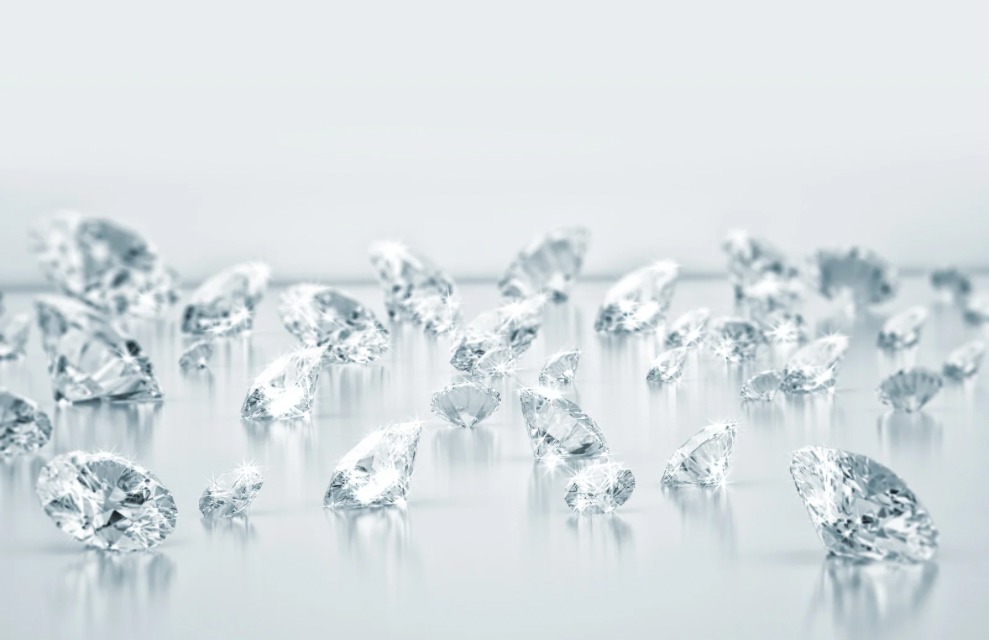
In the world of fine jewelry, there is a common misconception that weight equals beauty. However, as we look at the standards of 2026, the industry has shifted its focus toward light performance and optical precision. The debate of diamond carat vs size is often the first hurdle for buyers. At Lot of Jewelry, we believe that a diamond should do more than just sit on the finger; it should command the room with its brilliance. Understanding the nuances of carat vs size jewelry is essential for making an investment that looks as large as it feels. This guide will walk you through the technical aspects of diamond measurements, the importance of cut over weight, and how to use a diamond size chart (mm) to get the most value for your budget.
What is diamond carat?
Carat is the specialized metric unit reserved exclusively for calculating the physical mass of diamonds and other precious gemstones. It is crucial not to confuse this with "karat," which operates on an entirely different scale to gauge the structural purity of gold.
Because a diamond is a three-dimensional object, the way that weight is distributed is entirely up to the skill of the diamond cutter. When researching diamond carat vs size, buyers often realize that two diamonds of the exact same weight can look vastly different to the naked eye.

How diamond size is measured in millimeters
To truly understand how big a diamond will look, you must look at its millimeter (mm) measurements rather than just its weight. Most experts suggest using a carat vs size chart to compare the "face-up" area of different stones. If you are looking at a 1 carat diamond size in mm, you should expect a diameter of approximately 6.5mm.
The baseline parameters below illustrate the typical face-up measurements for round brilliant diamonds relative to their physical mass:
- Half-Carat (0.50 ct): Generally displays a diameter spanning from 5.1mm to 5.2mm.
- Three-Quarter Carat (0.75 ct): Typically measures between 5.7mm and 5.8mm across.
- One Carat (1.00 ct): Yields a face-up profile averaging roughly 6.4mm to 6.6mm.
- One and a Half Carats (1.50 ct): Characteristically sits within the 7.3mm to 7.5mm spectrum.
- Two Carats (2.00 ct): Extends to an approximate width of 8.1mm to 8.2mm.
The impact of cut quality on size appearance
The cut is arguably the most important of the 4Cs (Cut, Carat, Color, Clarity). This visual illusion occurs because an elite cut optimization maximizes light return, delivering a vibrant face-up brilliance and an intense sparkle that radiates all the way to the stone's outer perimeter. When you look at carat vs size jewelry, the visual impact of a well-cut 0.90-carat diamond can often exceed that of a poorly cut 1.00-carat stone. However, at Lot of Jewelry, we advise our clients to look at the round diamond size chart mm to ensure the stone's dimensions align with its weight. A stone that is "spread" too thin may look large, but it will lack the fire and scintillation that makes a diamond special.
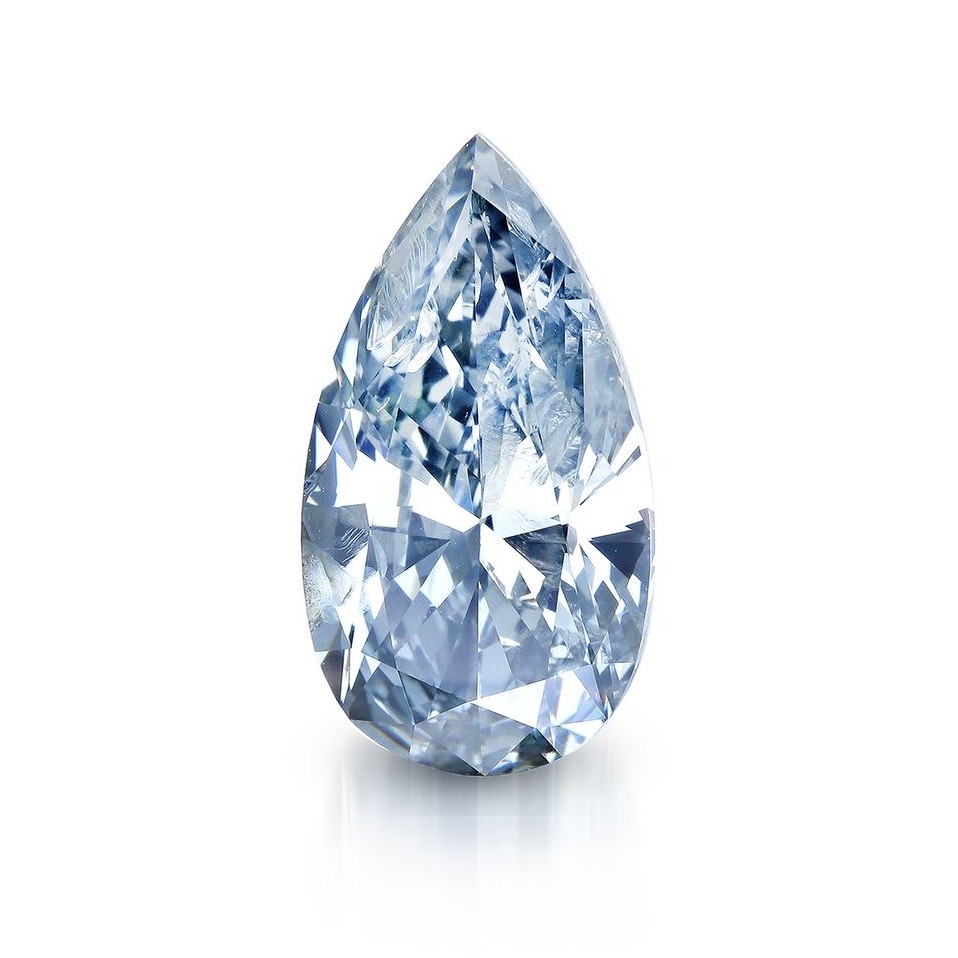
Comparing diamond shapes and sizes
Shape plays a massive role in the perceived size of a diamond.This is because they have a larger surface area on the top. If you are using a diamond size on hand simulator, you will notice that an oval cut provides more finger coverage than a princess cut of equal weight.
When choosing between carat vs size chart options, consider these popular shapes and how they utilize their weight:
- Oval: Excellent for finger coverage; looks roughly 10-15% larger than a round brilliant.
- Marquise: The ultimate shape for maximum length and perceived size.
- Emerald Cut: Known for elegance, though it often looks smaller because much of its weight is in the step-cut depth.
- Princess: Square shapes hold more weight in their corners and depths, often appearing smaller face-up.
Using a diamond size chart (mm) for round stones
For those seeking the classic look, a round diamond size chart mm is your best friend. It allows you to verify if the diamond you are purchasing is cut to the correct proportions.
The information below details the specific correlation between a round brilliant diamond's physical mass and its corresponding face-up diameter in millimeters.
Gemstone Mass | Diameter (mm) | Surface Area (sq mm) |
|---|---|---|
0.25 ct | 4.1 mm | 13.2 |
0.50 ct | 5.1 mm | 20.4 |
0.75 ct | 5.8 mm | 26.4 |
1.00 ct | 6.5 mm | 33.2 |
1.50 ct | 7.4 mm | 43.0 |
2.00 ct | 8.1 mm | 51.5 |
The "magic" of a 1-carat diamond size in mm
The one-carat mark is the most sought-after threshold in the diamond world. However, prices jump significantly at this point. A 1 carat diamond size in mm (roughly 6.5mm) is considered a standard for engagement rings in the US. However, savvy buyers often look for "under-size" diamonds, such as 0.90 or 0.95 carats. At Lot of Jewelry, we specialize in finding these "sweet spot" diamonds that maximize the round diamond size chart mm without the premium price tag of a rounded carat number.

Visualizing size: The diamond size on hand simulator
In 2026, digital tools have made it easier to visualize jewelry before purchasing. A diamond size on hand simulator is a digital interface that allows you to see how different carat weights and shapes look on a standard finger. When using a simulator, keep these tips in mind:
- Check the mm dimensions: Ensure the simulator is using real-world mm data.
- Toggle the shapes: Compare a round brilliant to an oval or pear.
- Adjust the setting: A halo setting can add 2mm of perceived size to any stone.
Value and cost: How carat weight drives price
The price of a diamond does not increase linearly with its weight; it increases exponentially. A 2-carat diamond will cost significantly more than two 1-carat diamonds of equal quality. This is because larger raw diamonds are much rarer in nature. This is why the carat vs size jewelry debate is so important, if you can find a stone that "faces up" large but has a slightly lower carat weight, you can save thousands of dollars.
At VK Smile Studio, we focus on the total aesthetic value. By selecting a stone with a slightly lower weight but an "Excellent" cut, you ensure that your investment is spent on the beauty you can actually see, rather than a number on a certificate.
Frequently Asked Questions
How many carats should an engagement ring be?
There is no "correct" number, but the average for engagement rings in the US is between 1.0 and 1.5 carats. Your choice should be based on your budget, your partner's style, and their finger size.
Is a 1-carat diamond considered big?
A 1-carat diamond represents a significant and time-honored choice for an engagement ring, offering an ideal balance of elegance and visual impact. When the stone is sculpted with optimal proportions, a 1 carat diamond size in mm reaches approximately 6.5mm in diameter, establishing a striking and sophisticated look on the wearer's hand.
How much does a 2-carat diamond ring cost?
The cost of a 2-carat diamond can range from $10,000 to over $50,000 depending on its cut, color, and clarity. Cut quality is the biggest factor in ensuring a 2-carat stone actually looks like a 2-carat stone.
What is the best carat size for daily wear?
For daily wear, 0.50 to 1.5 carats is often preferred as it is comfortable, less likely to snag, and fits most lifestyles while still providing significant sparkle.
Does a higher carat mean better quality?
Carat refers strictly to a gemstone's physical mass rather than its visual beauty or dimensions. A heavy, high-carat diamond can still lack brilliance and value if it suffers from a subpar cut grade, noticeable internal flaws, or an undesirable yellow undertone.
Which diamond cut looks larger than its carat size?
Oval, Marquise, and Pear shapes look the largest for their weight. Among round stones, an "Ideal" cut will always look larger than a "Fair" or "Poor" cut because of its edge-to-edge light return.
What’s the difference between carat and karat?
Carat defines the physical weight metric used for diamonds and fine gemstones. In contrast, Karat (indicated by the letter K) measures the structural purity of gold alloys, based on a scaling system where 24K signifies completely unalloyed, pure gold.
How does carat weight affect diamond price?
Prices increase at "magic" weight thresholds (e.g., 1.0ct, 1.5ct). Even a 0.01-carat difference can lead to a price jump of hundreds or thousands of dollars at these levels.
What carat size is most popular for engagement rings?
The 1.0-carat mark remains the most popular choice globally, though 2.0-carat stones are increasingly popular for those seeking a more high-profile look.
Conclusion: Making the right choice with Lot of Jewelry
Choosing a diamond is a balance of science and emotion. While the diamond carat vs size debate will always exist, the smartest buyers know that cut quality is the true driver of beauty. By using a carat vs size chart and understanding how weight is distributed within a stone, you can find a diamond that looks spectacular and fits your budget. At Lot of Jewelry, our goal is to help you navigate these technical details with ease. Whether you are looking for a 1 carat diamond size in mm or a massive 3-carat showstopper, By prioritizing the visual dimensions and cut precision, you can be confident that your carat vs size jewelry selection is one you will cherish for a lifetime.