


Why Billionaires Prefer Gemstones Without Logos

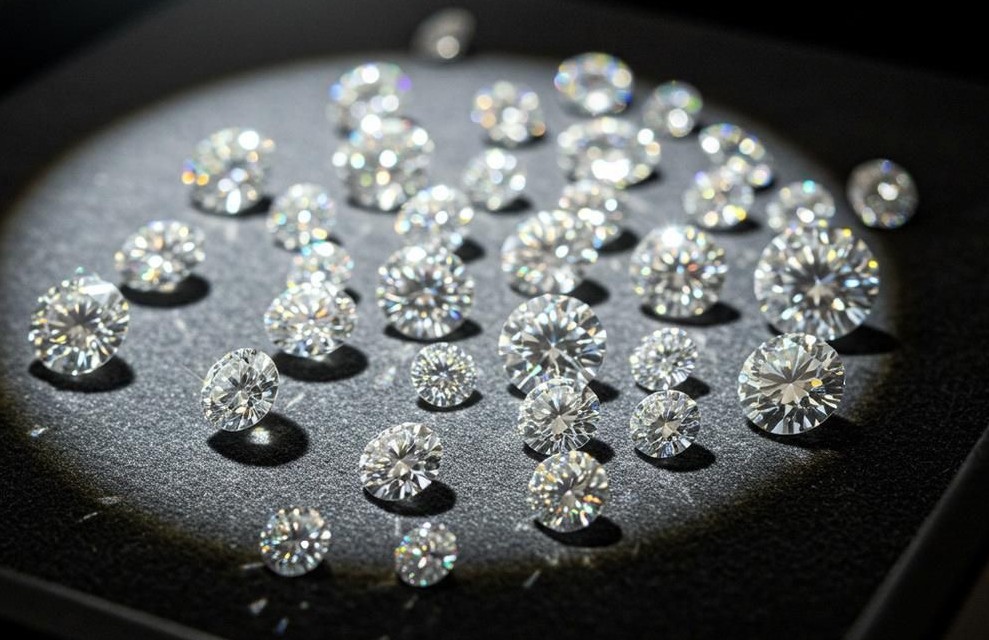
In an era where conspicuous consumption is increasingly viewed as a liability, the world’s most significant wealth holders have shifted their focus from branded opulence to understated mastery. The core answer to “Why billionaires prefer gemstones without logos?” lies in a powerful trifecta of discretion, enduring value, and connoisseurship. Quiet billionaires understand that true status is not announced with a logo, but whispered through the brilliance of exceptional precious stones. This pivot transforms high jewelry from mere adornment into a portable, private, and highly appreciable asset class, offering a sanctuary of value in a noisy world.
Why billionaires prefer gemstones without logos in discreet luxury
The luxury landscape is in the midst of a silent revolution. Where logos once broadcast wealth, they now signal vulnerability in an age of scrutiny. Today’s quiet billionaires communicate on a different frequency, curating personal treasuries of rare gemstones where value is authored by geology and craft, not a marketing department.
This shift reflects a sophisticated truth: an unbranded, exceptional gemstone is both wearable art and a formidable financial instrument. Staying abreast of the latest gemstone news reveals record-breaking auction results and supply crunches, confirming why savvy capital is flowing into this timeless arena.
Why do billionaires prefer gemstones without logos? It is not merely a trend, but the statement of modern, sophisticated wealth management.

The allure of logo-free jewelry
Choosing an unmarked stone over a branded piece is about crafting a silent language of sophistication that only a select few can interpret. It is the philosophy that guides the collections at Lot of Jewelry, where each piece is defined by several core principles:
Security and privacy in plain sight
The most practical driver for logo-free jewelry is risk mitigation. A visible brand acts as a beacon, instantly signaling a high-value target in public spaces or on social media.
Unbranded, custom-set stones offer a layer of privacy and security. They allow the wearer to move with freedom, their significant wealth known only to those with the expertise to recognize a flawless D-color diamond or the distinctive velvety blue of a Kashmir sapphire.
Signaling to an inner circle
This practice creates an elegant form of social filtering. When a billionaire chooses a stunning Paraiba tourmaline over a logo-emblazoned piece, they are communicating with a select audience—fellow collectors, gemologists, and those truly educated in the nuances of luxury. It is a demonstration of knowledge and taste that transcends price tags, establishing status through expertise rather than ostentation.
The timeless investment
Logos are inherently temporal, tied to the rise and fall of fashion trends. A precious stone, however, is a narrative millions of years in the making. Its value is derived from the Earth’s finite resources, exceptional characteristics, and historical allure. Choosing a gemstone without a logo ensures the piece remains eternally relevant, an heirloom whose worth is intrinsic and independent of any brand’s commercial fortunes.
Gemstones as financial assets
For the ultra-wealthy, asset diversification is vital. Fine gems and rare gemstones have proven their merit as non-correlated, tangible stores of value that thrive during periods of market volatility and inflation. Their portability, durability, and universal recognition offer benefits that few other asset classes can match.
Key financial advantages of investing in gemstones:
- Inflation hedging. As tangible, finite resources, gemstones have historically maintained and increased their purchasing power over the long term.
- Portfolio diversification. Their market performance has a low correlation to traditional equities and bonds, providing stability.
- Discreet wealth storage. High-value gems offer a compact, private, and secure method of storing significant capital.
- Legacy planning. Gemstones transfer across generations and international borders, often with favorable considerations.
The collector’s portfolio: Top gemstones for investment
Building a meaningful collection requires focusing on gems where unparalleled beauty intersects with geological scarcity and strong market demand. Access to such stones is crucial. And Lot of Jewelry specializes in curating these exceptional pieces. Here are the categories that command the attention of sophisticated collectors.
Sapphires, rubies, and emeralds: The timeless triumvirate
These classic precious stones form the cornerstone of any serious collection, with the finest specimens representing blue-chip assets:
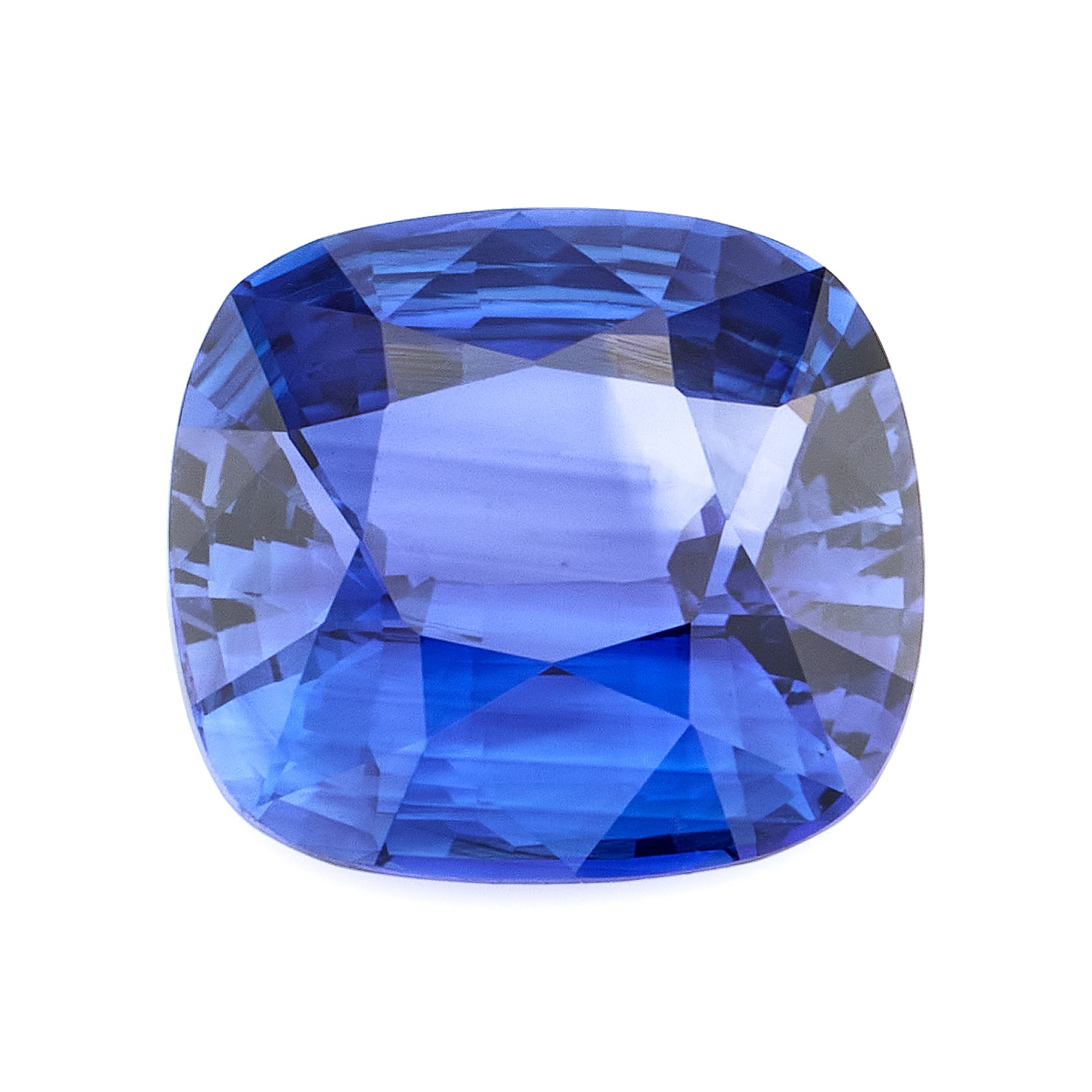
- Kashmir Sapphires. Prized for their “cornflower blue” hue and silky appearance, mines have been depleted for over a century, making existing stones the ultimate prize.
- Burmese Rubies. The “pigeon’s blood” red from Myanmar remains the global standard, associated with passion, power, and rarity.
- Colombian Emeralds. Known for their pure, vivid green, the finest emeralds from Colombia, often with unique “jardin” inclusions, are highly sought after.
The rising stars: Exceptional colored gemstones
Beyond the big three, several rare gemstones offer tremendous growth potential due to recent discoveries and booming collector interest:
- Paraíba Tourmaline. With its electric, neon blue-green glow, this Brazilian marvel has seen explosive value growth since its discovery in the 1980s.
- Alexandrite. The ultimate color-change gemstone, shifting from emerald green in daylight to ruby red under incandescent light, is a favorite for its magical quality and extreme rarity.
- Spinel. Long mistaken for ruby, spinel has come into its own as a collector’s gem. Vivid reds and hot pinks, particularly from Mahenge, Tanzania, offer exceptional value and beauty.
The historical wealth symbol: Lapis lazuli
No discussion of storied gems is complete without lapis lazuli. This deep blue stone, speckled with golden pyrite, has symbolized power and wealth since antiquity, used by Pharaohs and Renaissance masters alike.
A fine piece of lapis lazuli, especially in a carved intaglio or a substantial cabochon, represents a direct connection to the history of luxury itself. While not in the same price-per-carat league as a ruby, its cultural capital and beauty make it a compelling addition to a diversified collection of gemstones.
Diamonds vs. colored gemstones: Understanding the market dynamics
The investment landscape differs between diamonds and colored gemstones. Diamonds have a standardized grading system (the 4Cs) and a more liquid, but also more saturated, market.
Colored gemstones, however, are valued on a more complex matrix of hue, saturation, tone, origin, and treatment, with top-tier stones often achieving higher percentage gains due to their sheer rarity. Consider this comparative snapshot:
Aspect
Fine diamonds
Top-tier colored gemstones
Primary driver
Grading (4Cs), branding
Color, rarity, origin
Market
Highly structured, broader liquidity
Niche, connoisseur-driven, selective liquidity
Appreciation potential
Steady, predictable
Explosive for the rarest specimens (e.g., Paraíba, Kashmir)
Key consideration
Certification (GIA) is crucial
Provenance and lack of enhancement are critical

This contrast highlights why billionaires prefer gemstones without logos. The value is locked in the gem itself, not in a brand’s name attached to a standardized product. The story of a specific mine, the skill of the cutter, and the stone’s unique character become the drivers of value.
What every savvy buyer must know
Investing in gemstones requires moving beyond mere aesthetics to understand the pillars of enduring value. For Lot of Jewelry, transparency on these points is paramount, ensuring every client makes an informed acquisition. The non-negotiable foundations are:
- Certification. Always insist on a report from a reputable laboratory like the Gemological Institute of America (GIA).
- Provenance. Geographic origin can multiply value.
- Treatment. Natural, untreated stones are exponentially rarer.
- “What is the ugliest gemstone?” factor. Debates over “What is the ugliest gemstone?” highlight an investment truth: rarity trumps convention. A stone dismissed in one era becomes a coveted masterpiece in the next when expertly presented.
FAQs
What jewelry do rich people wear?
Today’s affluent individuals favor understated, logo-free pieces centered on exceptional, rare gemstones, precisely the aesthetic that defines the collections at Lot of Jewelry. You will see quiet billionaires in bespoke sapphire solitaires or subtle lapis lazuli cufflinks that whisper status to fellow connoisseurs.
What is the mother of all gemstones?
The emerald is often bestowed this title for its lush, velvety green hue and ancient association with fertility and renewal. Its deep color and storied history, from Cleopatra to Colombian mines, cement its regal, foundational status.
What gemstone is associated with wealth?
For centuries, the ruby has been the quintessential gem of prosperity, known in Sanskrit as ratnaraj, or “king of precious stones.” Its passionate crimson fire is believed to attract abundance and vitality, making it a cornerstone asset for quiet billionaires.
Why is it so hard to sell gemstones?
The primary challenge lies in the subjective, non-standardized valuation of colored stones compared to diamonds. Successful sales require impeccable documentation, like GIA reports, and access to the right niche auction or collector network, as highlighted in expert gemstone news.
What jewelry attracts wealth?
Intentional pieces featuring stones like citrine are chosen for their symbolic properties. Modern investors focus on jewelry housing certified, appreciating assets like untreated Burmese rubies, which attract financial wealth through tangible value growth.
From insight to asset
Understanding why billionaires prefer gemstones without logos provides the crucial insight, but acting on that knowledge is what builds a legacy. This journey from appreciation to ownership begins with focused education and is best navigated with a trusted partner who offers both access and expertise in precious stones. We invite you to explore the curated, logo-free collections at Lot of Jewelry or schedule a private consultation to begin translating this insight into your portfolio of strategic assets.