


What is the benefit of ruby stone?


Ruby is among the most treasured gemstones in the world, admired for its intense red color and its long-standing association with power, vitality, and confidence. Across cultures and belief systems, ruby has been worn not only as jewelry but also as a symbol of strength, passion, and leadership. As interest in gemstones grows, many people continue to ask what is the benefit of ruby stone and whether wearing it can truly influence different areas of life.
This original, in-depth guide explores what is the benefits of wearing ruby stone from a traditional and astrological perspective. It explains ruby gemstone benefits, ruby stone benefits and side effects, and the negative effects of wearing ruby gemstone, while also discussing ruby benefits for female and ruby benefits for male wearers. All insights are presented clearly and uniquely, with guidance from Lot of Jewelry.
What is ruby stone?
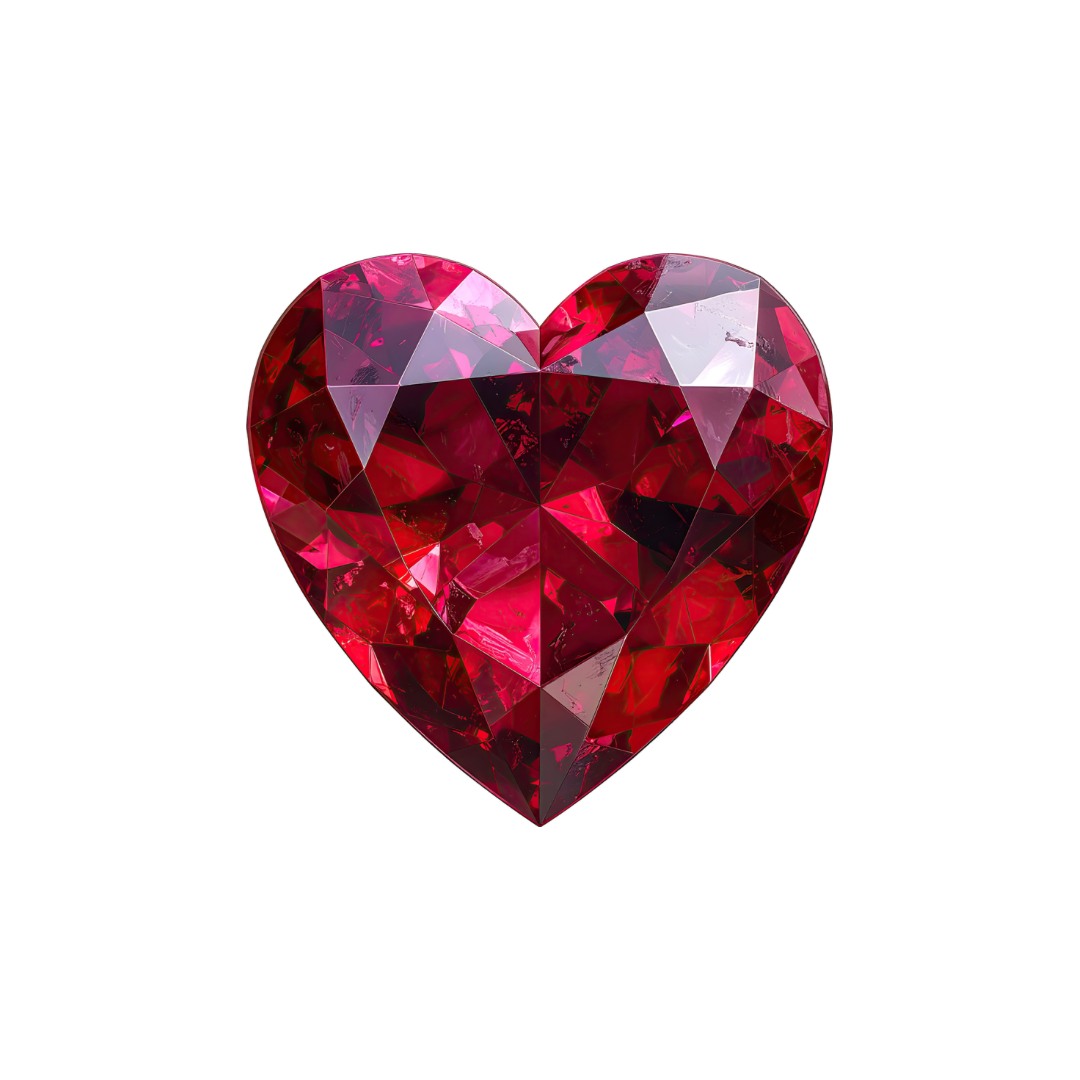
Ruby is a precious gemstone belonging to the corundum mineral family. Its striking red color comes from traces of chromium within the stone. Throughout history, rubies have been associated with royalty, courage, and protection, making them one of the most valued gemstones alongside diamonds, emeralds, and sapphires.Because of this connection, ruby gemstone benefits are often discussed in relation to leadership, ambition, and emotional strength rather than purely decorative value.
Cultural and astrological importance of ruby
Ruby has held symbolic importance in many ancient civilizations. Kings and warriors wore rubies believing the stone would protect them in battle and enhance their authority. People who explore what are the benefits of ruby stone often do so because they want to strengthen confidence, improve focus, or feel more motivated in personal and professional life.
Top 10 benefits of ruby stone
The top 10 benefits of ruby stone are traditionally associated with emotional, mental, and symbolic well-being. These benefits are rooted in belief systems rather than medical science, and they vary depending on individual suitability.
- 1. Encourages self-confidence: One of the most commonly discussed ruby benefits is increased confidence. Ruby is believed to help the wearer feel more self-assured, decisive, and comfortable expressing opinions.
- 2. Strengthens leadership qualities: Ruby is often linked to authority and leadership. It is traditionally worn by individuals in managerial, political, or public-facing roles to enhance presence and influence.
- 3. Boosts motivation and drive: Ruby is associated with passion and inner fire. Many believe it helps increase motivation, determination, and enthusiasm toward long-term goals.
- 4. Supports emotional resilience: Emotional stability is another frequently mentioned benefit. Ruby is thought to help individuals face challenges with courage and emotional balance.
- 5. Enhances relationships and commitment: In symbolic traditions, ruby represents love and loyalty. Wearing ruby is believed to strengthen emotional bonds and encourage honesty in relationships.
- 6. Attracts success and recognition: People often ask, does ruby attract money? Rather than directly creating wealth, ruby is believed to support success by improving confidence, authority, and decision-making skills.
- 7. Increases energy and vitality: Ruby is traditionally associated with life force and vitality. Some believe it helps reduce mental fatigue and encourages a more active, energetic lifestyle.
- 8. Protects against negative influences: Ruby has long been considered a protective gemstone. In spiritual beliefs, it is said to help shield the wearer from negative intentions and emotional drain.
- 9. Improves focus and clarity: Ruby is believed to enhance concentration and mental clarity, which can be beneficial for people handling responsibility-heavy roles.
- 10. Encourages personal growth: Together, these ruby gemstone benefits are believed to support overall personal development by strengthening confidence, discipline, and emotional awareness.
Ruby benefits for female
Ruby benefits for female wearers are often associated with self-worth, confidence, and emotional strength. Many women choose ruby to feel more empowered, assertive, and emotionally balanced.
Traditionally, ruby is also linked with passion and vitality, making it a popular choice for women seeking clarity in relationships and personal goals.
Ruby benefits for male
Ruby benefits for male wearers typically focus on leadership, ambition, and responsibility. Men often wear ruby to strengthen authority, improve professional presence, and enhance confidence.
Because ruby represents solar energy, it is believed to support qualities such as courage, discipline, and self-expression in male wearers.
What is ruby good for in daily life?
Many people ask what is ruby good for beyond symbolic meaning. In daily life, ruby is often worn as a reminder of confidence, discipline, and motivation. While it does not replace effort or skill, it is believed to encourage a positive mindset and strong self-belief.
Lot of Jewelry emphasizes that gemstones should complement personal growth rather than be viewed as guaranteed solutions.
Ruby stone benefits and side effects
Understanding ruby stone benefits and side effects is essential before wearing it regularly. Ruby carries strong symbolic energy, which may feel intense for some individuals.
Possible side effects may include:
- Restlessness or heightened emotions
- Increased impatience
- Difficulty relaxing if the stone is unsuitable
These effects usually occur when ruby is worn without proper guidance or when it does not align with the wearer’s temperament.
Negative effects of wearing ruby gemstone
The negative effects of wearing ruby gemstone are usually linked to incompatibility. Because ruby represents strong solar energy, it may amplify stress or emotional intensity in certain people.
Who should wear ruby?
Ruby is traditionally recommended for individuals who want to build confidence, authority, and motivation. Those exploring what is the benefits of ruby gem often do so as part of a broader self-development journey.
Who should avoid ruby stone?
Ruby may not suit everyone. Individuals who feel overwhelmed, aggressive, or emotionally unsettled after wearing ruby should avoid continued use.Consulting a trusted expert such as Lot of Jewelry helps ensure suitability and reduces the risk of negative effects.
How to wear ruby stone correctly
To experience ruby gemstone benefits safely, ruby should be worn with care and intention. Traditionally, this involves choosing the correct metal, finger, and timing.
Can I wear ruby every day?
A common concern is, can I wear ruby every day? Ruby can be worn daily if it feels comfortable and supportive. However, wearers should pay attention to emotional and mental responses over time.
FAQs
What are the benefits of ruby stone?
The benefits of ruby stone include improved confidence, motivation, emotional strength, leadership qualities, and personal growth.
What is ruby good for?
The benefits of ruby stone include improved confidence, motivation, emotional strength, leadership qualities, and personal growth.
Does ruby attract money?
Ruby is believed to support success indirectly by enhancing confidence, authority, and decision-making rather than directly attracting money.
Who should wear ruby?
Individuals seeking confidence, leadership, recognition, or emotional strength may benefit from wearing ruby if it is suitable for them.
Can I wear ruby every day?
Yes, ruby can be worn every day if it feels comfortable and does not cause emotional or mental discomfort.
What are the negative effects of wearing ruby gemstone?
Negative effects may include restlessness, emotional intensity, or stress if ruby is unsuitable for the wearer.
What are ruby benefits for female and male wearers?
Ruby benefits for female wearers often focus on confidence and emotional balance, while ruby benefits for male wearers emphasize leadership and ambition.
Practical considerations before wearing ruby
Those exploring what is the benefits of ruby gem should take time to observe how the stone affects mood, focus, and daily interactions. Some people feel energized and confident, while others may feel overstimulated. This variation is normal and highlights the importance of personal suitability.
Ruby quality and authenticity
Synthetic or treated stones are common in the market and may look attractive, but many people seeking ruby gemstone benefits prefer natural stones for symbolic reasons. Consulting trusted sources such as Lot of Jewelry helps ensure authenticity and informed choices.

Ruby in jewelry and daily styling
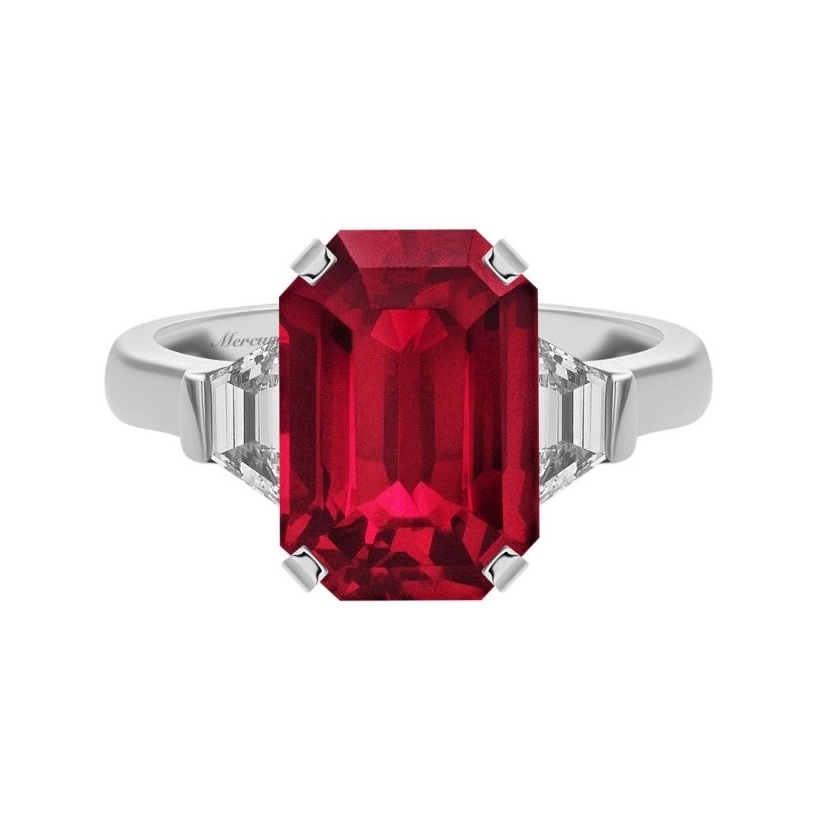
Ruby is commonly worn as rings, pendants, or bracelets. Rings are especially popular because they keep the stone in constant contact with the body. Pendants offer a subtler option for those who prefer less intensity.
Styling ruby jewelry is also a personal expression. While ruby is traditionally set in gold, modern designs include alternative metals that suit different lifestyles and preferences.
Ruby as a symbolic tool, not a solution
It is important to emphasize that ruby should be viewed as a symbolic and supportive element rather than a solution to life challenges. While ruby benefits are often discussed in astrology, real growth comes from personal effort, reflection, and action.
Understanding what are the benefits of ruby stone helps frame the gemstone as a reminder of inner strength rather than a shortcut to success.
Long-term use and personal growth
When worn with intention, ruby can serve as a long-term companion in personal development. Some wearers choose to wear ruby during specific phases of life, such as career changes or leadership roles, while others prefer occasional use.
Adjusting how and when ruby is worn allows individuals to align the stone with evolving goals and emotional needs.
Final thoughts
Understanding what is the benefits of wearing ruby stone allows individuals to make informed and realistic choices. Ruby is admired for its beauty, symbolism, and association with confidence and vitality, but it is not universally suitable.
With thoughtful guidance from Lot of Jewelry, ruby can be worn as a meaningful symbol of strength, motivation, and personal growth, supporting self-awareness rather than replacing effort or intention.