


Precious vs. semi-precious gems: The definitive 2026 guide


For jewelry enthusiasts and collectors in 2026, the allure of a gemstone often lies in its vibrant color, clarity, and the historical prestige it carries. However, when navigating the market for fine jewelry, the terminology used to categorize these treasures can be confusing. The precious and semi precious stones difference is a concept rooted in 19th-century traditions, yet it continues to influence how we perceive value today. At Lot of Jewelry, we believe that understanding these distinctions is the first step in making an informed investment in your personal collection.
This guide is designed to clarify the nuances of gemstone classification, from the traditional elite stones to the diverse world of semi-precious varieties. As we look at the precious and semi-precious stones in a modern context, we see that rarity and demand often transcend these old labels, creating a more dynamic market for enthusiasts at Lot of Jewelry.
What stones are considered precious
To understand the core of gemology, one must first ask what stones are considered precious in the traditional sense. Historically, this category was limited to a very small group of gemstones that were prized for their extreme hardness, beauty, and rarity. While hundreds of minerals exist, only four were traditionally given this "precious" title: diamonds, rubies, sapphires, and emeralds.
The criteria for what stones are considered precious often centered on the following:
- Hardness: Most precious stones rank 7.5 or higher on the Mohs scale, ensuring they last for generations.
- Rarity: These stones are found in fewer locations and high-quality specimens are difficult to mine.
- Market Demand: These four stones have maintained a consistent high value across different cultures and eras.

Evolution of the precious and semi precious stones difference
The precious and semi precious stones difference originated mainly as a marketing tool in the mid-1800s to create a sense of hierarchy. In 2026, many gemologists argue that this binary system is outdated because it does not account for high-value semi-precious stones like Paraiba tourmaline or fine alexandrite, which can sometimes outprice traditional rubies. At Lot of Jewelry, we focus on the intrinsic quality of the stone rather than just the historical label.
What are the 7 precious stones
While the "Big Four" dominate traditional lists, a common question among modern collectors is what are the 7 precious stones. In some historical and cultural contexts, the list was expanded to include pearls, alexandrite, and cat’s eye chrysoberyl. These additions were made because of their unique optical properties and their association with royalty.
When people ask what are the 7 precious stones today, they are usually looking at a list that incorporates:
- Diamonds: The hardest natural substance known to man.
- Rubies: Known for their deep red "pigeon blood" hues.
- Sapphires: Traditionally blue but available in every color of the rainbow.
- Emeralds: Prized for their lush green color and unique inclusions.
- Alexandrite: A color-changing miracle of nature.
- Pearls: The only precious organic gem formed inside a living mollusk.
- Oriental Cat's Eye: Highly valued for its distinct chatoyancy.
What are the semi precious stones
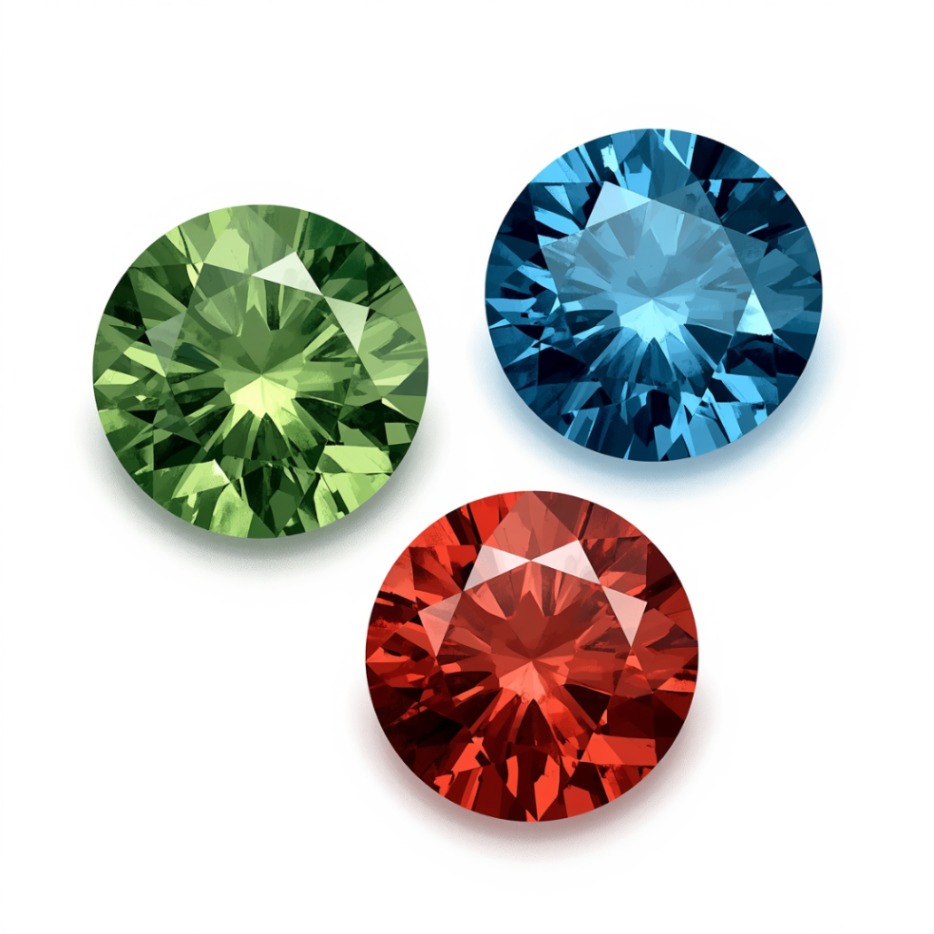
If only a handful of gems are precious, then what are the semi precious stones? Simply put, this category encompasses every other gemstone used in jewelry. This is a vast and colorful category that includes everything from amethyst and turquoise to tanzanite and opal. Understanding what are the semi precious stones is essential for anyone who wants a unique, personalized piece of jewelry that doesn't follow the traditional diamond path.
At Lot of Jewelry, we curate a wide selection of these gems, acknowledging that many of them are rarer than diamonds. The category is so broad that it is often broken down by mineral family or color profile to help consumers find exactly what they are looking for in 2026.
Precious vs semi precious stones list
For those who prefer a clear comparison, a precious vs semi precious stones list serves as a handy reference. This helps buyers visualize the hierarchy while also discovering stones they might not have considered. In 2026, the list of semi precious stones and their meanings has become a popular way for buyers to connect emotionally with their jewelry.
Comparison of gemstone categories
Feature | Precious Stones | Semi-Precious Stones |
|---|---|---|
Stone Examples | Diamond, Ruby, Sapphire, Emerald | Amethyst, Citrine, Garnet, Topaz |
Traditional Value | Very High | Moderate to High |
Availability | Rare | Relatively Abundant |
Durability | Usually 7.5 - 10 Mohs | Usually 5 - 7.5 Mohs |
The precious vs semi precious stones list is constantly evolving as new deposits are found or as certain stones become more fashionable in the 2026 market. For instance, tanzanite is technically semi-precious, yet it is only found in one place on Earth, making it rarer than almost any stone on the precious list.
List of semi precious stones and their meanings
In 2026, jewelry is often seen as a form of self-expression. Many collectors seek out a list of semi precious stones and their meanings to find gems that align with their personal intentions or birth months. This adds a layer of depth to the precious and semi precious stones difference, moving from monetary value to spiritual or emotional value.
Commonly requested gems from the list of semi precious stones and their meanings include:
- Amethyst: Symbolizing peace, stability, and protection.
- Aquamarine: Representing courage and clear communication.
- Rose Quartz: The stone of universal love and self-compassion.
- Citrine: Often called the "merchant's stone," representing wealth and success.
- Garnet: A stone of passion, energy, and health.
At Lot of Jewelry, we provide a detailed list of semi precious stones and their meanings for all our custom settings. This ensures that when you choose a stone, it carries a narrative that is meaningful to you, regardless of whether it is officially classified as precious or semi-precious.
Why the distinction matters in 2026
While the industry is moving toward a more unified classification of "gemstones," the precious and semi precious stones still matters for insurance and valuation purposes. In 2026, a stone classified as precious often carries a higher resale value and prestige in auction houses. However, savvy investors know that the list of semi precious stones and their meanings can lead them to "investment grade" semi-precious stones that are rapidly increasing in value.
When you work with Lot of Jewelry, we help you navigate these labels to find the best value for your budget. Whether you are looking for the prestige of the 7 precious stones or the unique character of a semi-precious gem, our experts provide the transparency you need to shop with confidence in the 2026 market.
Frequently Asked Questions
What defines a gemstone as precious or semiprecious?
The definition is largely traditional. Precious stones were categorized based on their hardness, beauty, and rarity during the 19th century. Semiprecious stones include all other gemstones that do not fall into the "Big Four" (Diamond, Ruby, Sapphire, Emerald).
Which gems are considered precious and why?
The traditional list includes diamonds, rubies, sapphires, and emeralds. They are considered precious because of their historical association with royalty, their high durability on the Mohs scale, and their relative scarcity compared to other quartz-based minerals.
Are semiprecious stones less valuable than precious ones?
Not necessarily. While a low-grade amethyst is cheaper than a diamond, a high-quality, large tanzanite or tsavorite garnet can be significantly more expensive than a low-quality diamond or sapphire. Value is determined by the 4Cs (Color, Clarity, Cut, and Carat), not just the category.
What factors influence the value of gemstones beyond classification?
Value is influenced by the gemstone's origin (e.g., Burmese Rubies), the presence of treatments (heated vs. unheated), the precision of the cut, and the current market trends in 2026. Rarity and transparency are also major drivers of cost.
Is the distinction between precious and semiprecious gems still relevant today?
In professional gemology, many experts prefer the term "gemstones" for everything. However, in the retail market, the distinction remains relevant because consumers still use these terms to gauge expected price points and prestige.
Conclusion: Choosing the right gem for your collection
While the industry is moving toward a more unified classification of "gemstones," the precious and semi precious stones still matters for insurance and valuation purposes. In 2026, a stone classified as precious often carries a higher resale value and prestige in auction houses. However, savvy investors know that the list of semi precious stones and their meanings can lead them to "investment grade" semi-precious stones that are rapidly increasing in value.
When you work with Lot of Jewelry, we help you navigate these labels to find the best value for your budget. Whether you are looking for the prestige of the 7 precious stones or the unique character of a semi-precious gem, our experts provide the transparency you need to shop with confidence in the 2026 market.