


Which country buys the most gemstones?

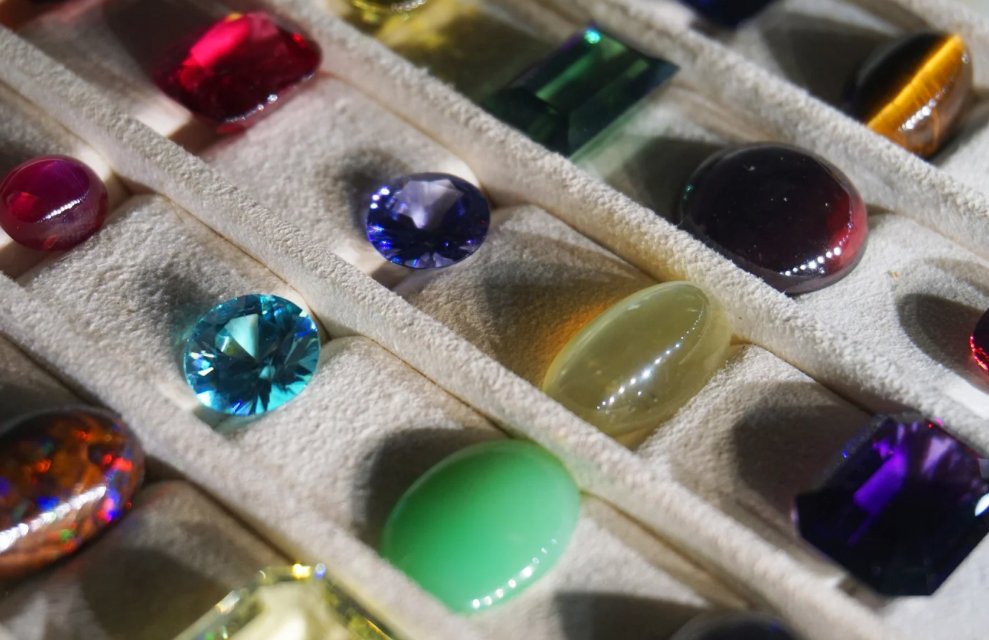
Gemstones have fascinated civilizations for thousands of years, symbolizing wealth, status, and cultural identity. Today, the global gemstone trade is a multibillion-dollar industry involving mining, cutting, trading, and jewelry manufacturing. While many countries are known for producing precious stones, the question many people ask is: which country buys the most gemstones? Understanding gemstone demand means looking beyond mines to consumer markets, global trade hubs, and major jewelry manufacturing centers that drive purchasing, processing, and international gemstone distribution.Some countries import enormous volumes of gemstones not because they lack resources, but because they dominate cutting, polishing, and global resale. With insights from Lot of Jewelry, this guide explores where gemstones are found in the world, who buys them, and which nations dominate the gemstone economy.
Where are gemstones found in the world?
Gemstones are distributed across nearly every continent, but their availability depends heavily on local geological history. Regions shaped by volcanic eruptions, intense tectonic pressure, or ancient seabeds tend to produce higher concentrations of precious stones. Africa is rich in diamonds, emeralds, and tanzanite, while South America is known for emeralds and amethyst. Asia supplies rubies, sapphires, and jade, particularly from Myanmar, Sri Lanka, and Thailand. Australia is famous for opals, and Russia is a major source of diamonds. These geological variations explain why gemstone production is unevenly spread worldwide.
Before identifying buyers, it helps to understand the global supply landscape. Major gemstone-producing regions include:
- Africa, particularly South Africa, Tanzania, and Zambia
- South America, especially Colombia and Brazil
- Asia, including Myanmar, Sri Lanka, Thailand, and India
These regions supply emeralds, rubies, sapphires, diamonds, and semi-precious stones that later enter international trade channels. Although production is widespread, consumption and purchasing power are concentrated in far fewer countries.Where are gemstones found in the world varies by type, but major deposits are located in countries such as Brazil, India, Myanmar, Sri Lanka, South Africa, Australia, and the United States.
Biggest gemstone market in the world
When discussing the biggest gemstone market in the world, the answer depends on how “market” is defined. By retail value, the United States consistently ranks first. American consumers purchase enormous volumes of gemstone jewelry, particularly diamonds, sapphires, and emeralds. The US imports gemstones from dozens of countries and serves as a final destination market rather than a processing hub. Luxury retailers, mass-market jewelry brands, and private collectors all contribute to high demand. According to industry estimates referenced by Lot of Jewelry, the US jewelry sector accounts for a substantial share of global gemstone spending each year. However, the US is not alone. Other countries play equally important roles in buying gemstones for trade, manufacturing, and resale.
Which country imports the most gemstones?
India: the world’s largest gemstone buyer by volume
India is widely regarded as the country that imports the most gemstones by volume, even though it is also a major producer. The reason lies in its unmatched cutting and polishing industry. Cities like Jaipur and Surat process a vast percentage of the world’s colored gemstones and diamonds. India imports rough stones from Africa, South America, and Asia, transforms them, and exports finished gems globally. This makes India central to nearly every gemstones list used by jewelers worldwide. Many experts answering what country has the most crystals point to India due to its diversity of minerals and trade volume.
Which country produces the most rubies?
Myanmar (formerly Burma) is historically recognized as the country that produces the most rubies, especially high-quality pigeon blood rubies. Although political and ethical sourcing concerns have affected exports, Myanmar remains legendary in the ruby trade.Other ruby-producing countries include Mozambique and Thailand, but Myanmar’s stones are still considered the benchmark for quality. These rubies often pass through international markets before being sold in high-demand countries like the US and China. A gemstones list typically includes diamonds, rubies, sapphires, emeralds, amethyst, topaz, opal, garnet, aquamarine, jade, turquoise, and quartz, covering both precious and semi-precious stones.

Top 10 emerald producing countries
Emeralds are among the most valuable precious stones, prized for their deep green color. The top 10 emerald producing countries typically include:
- Colombia
- Zambia
- Brazil
- Zimbabwe
- Ethiopia
- Pakistan
- Russia
- Afghanistan
- Madagascar
- Nigeria
Colombia remains the global leader in emerald quality, while African producers supply increasing volumes to international buyers. These emeralds are often purchased by large trading nations rather than sold locally.

National gemstone of countries and cultural demand
Many countries promote gemstones as part of their national identity. Understanding the national gemstone of countries helps explain domestic demand and symbolic value.
Examples include:
- Sapphire in Sri Lanka
- Jade in Myanmar
- Diamond associations in South Africa
- Turquoise traditions in Iran
These cultural connections influence local buying habits, tourism, and international branding. According to Lot of Jewelry, national symbolism often increases long-term gemstone demand beyond pure investment value.
Which country buys the most jewelry?
China has rapidly emerged as one of the countries that buys the most jewelry, driven by a growing middle class and luxury consumption. While the US leads in overall retail value, China dominates growth rate and volume expansion, particularly for jade, diamonds, and colored stones.
China’s role is especially strong in Asia-Pacific trade, while Europe remains a major luxury market focused on craftsmanship and heritage brands. When asking what country has the most crystals, Brazil is often cited due to its vast deposits of quartz, amethyst, citrine, and other crystal varieties found across multiple regions.
Precious metals and gemstones: a linked market
The gemstone industry is closely connected to precious metals such as gold, platinum, and silver. Most gemstones are ultimately set into metal jewelry, meaning demand rises and falls together.Countries that import large quantities of gold and platinum often also rank highly in gemstone imports. This connection explains why nations like India, China, and the US dominate both sectors simultaneously.
Which country is famous for gemstones?
Several countries are globally famous for gemstones, each for different reasons:
- Sri Lanka for sapphires
- Colombia for emeralds
- South Africa for diamonds
- Myanmar for rubies
These reputations influence tourism, branding, and long-term gemstone value. While fame does not always equal buying power, it shapes trade flows and collector interest worldwide.
Which country is the best to sell gemstones?
The best country to sell gemstones depends on the type of stone and target buyer. High-end stones often sell best in the US, Switzerland, or Hong Kong, while bulk and commercial-grade stones move quickly through India and Thailand. Trade hubs with transparent regulations, strong logistics, and international buyers tend to offer the most competitive prices. Lot of Jewelry highlights that sellers benefit most from countries with established gemstone exchanges and certification infrastructure.
Role of South Africa in the global gemstone trade
South Africa remains one of the most influential countries in the gemstone and precious stones industry. Known primarily for diamonds, it also contributes to global gemstone education, ethical sourcing initiatives, and auction markets. While not the largest buyer, South Africa’s historical and economic role continues to shape international standards and pricing benchmarks.
Gemstones cast, gemstones skyblock, and digital interest
Interestingly, online searches for terms like gemstones cast and gemstones skyblock reflect growing digital and gaming-related interest in gemstones. While these terms are not directly linked to physical trade, they demonstrate how gemstones remain culturally relevant across entertainment, education, and virtual economies.
This broader visibility indirectly supports market demand by keeping gemstones embedded in popular culture.
Final thoughts: which country buys the most gemstones?
So, which country buys the most gemstones depends on how the market is measured. In terms of overall consumer spending on finished jewelry, the United States remains the global leader, driven by strong retail demand and high-value purchases. When looking at raw gemstone imports and large-scale processing, India dominates the market, supplying cutting and polishing services worldwide. Meanwhile, China is emerging as a powerful force, with rising middle-class demand, expanding luxury markets, and increasing gemstone imports, positioning it as a major future buyer in the global gemstone industry. Together, these countries form the backbone of the global gemstone economy. With guidance from Lot of Jewelry, buyers and sellers alike can better understand where gemstones are found in the world, how markets function, and where the greatest opportunities lie.
FAQs
Which country imports the most gemstones?
India imports the most gemstones by volume due to its massive cutting and polishing industry.
Which country is famous for gemstones?
Countries like Sri Lanka, Colombia, Myanmar, and South Africa are famous for specific precious stones.
Which country buys the most jewelry?
The United States leads in total jewelry spending, while China shows the fastest growth.
What is the most sold gemstone?
Diamonds remain the most sold gemstone globally, followed by sapphires and emeralds.
Which country is the best to sell gemstones?
The best country depends on gemstone type, but major markets include the US, India, and Hong Kong.